
- 1
- 11
- 1
- 11
maasai
The Maasai are one of East Africa’s most recognized and culturally rich indigenous communities, famous for their strong traditions, unique lifestyle, colorful clothing, and deep connection with nature. A Maasai cultural experience offers travelers a rare opportunity to go beyond wildlife viewing and discover the human stories, traditions, and heritage that have shaped Tanzania for centuries.
Living mainly in northern Tanzania and southern Kenya, the Maasai have preserved many aspects of their traditional way of life despite the changes brought by modern society. Their culture is deeply connected to cattle keeping, community values, traditional ceremonies, and a respectful relationship with the environment.
A visit to a Maasai village provides an authentic cultural journey where travelers can learn about traditional homes, daily activities, local customs, music, dance, and the important role that livestock plays in Maasai society. It creates a meaningful connection between visitors and local communities while supporting cultural preservation and responsible tourism.
For safari travelers exploring destinations such as Ngorongoro Conservation Area, Serengeti, Tarangire, and Lake Manyara, a Maasai cultural experience adds a unique dimension to the journey by combining Tanzania’s incredible wildlife with its rich human heritage.
Who Are the Maasai People?
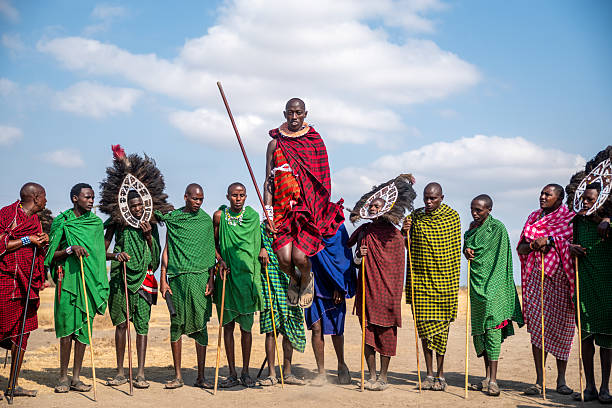
The Maasai are a Nilotic ethnic group traditionally known for their pastoral lifestyle and strong cultural identity. They are mainly found in northern Tanzania and southern Kenya, particularly around famous safari regions where their communities have coexisted with wildlife for generations.
The Maasai are traditionally semi-nomadic pastoralists, meaning their lifestyle has historically been centered around moving with their livestock in search of water and grazing areas. Cattle hold a special place in Maasai culture and are considered a symbol of wealth, social status, and community identity.
Beyond livestock keeping, the Maasai are known for their strong social structures, respect for elders, traditional ceremonies, and commitment to preserving their cultural values. Their way of life reflects a deep understanding of living in harmony with the natural environment.
Today, many Maasai communities continue to maintain important traditions while also participating in education, conservation, and sustainable tourism initiatives.
Location and Maasai Communities in Tanzania
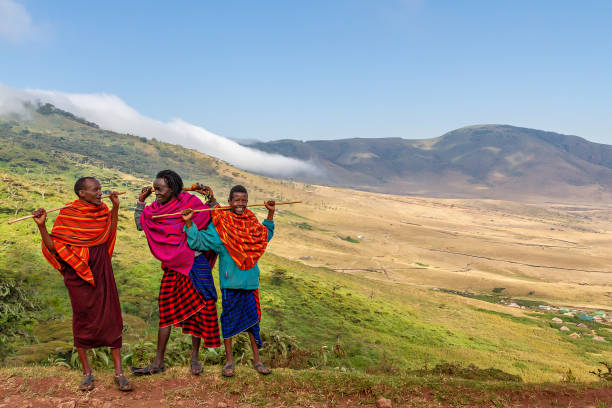
Maasai communities are mainly found in northern Tanzania, especially in areas surrounding some of the country’s most famous tourism destinations.
Important regions where visitors can experience Maasai culture include:
Ngorongoro Conservation Area
One of the most famous areas for Maasai cultural experiences. The Maasai live alongside wildlife within this unique conservation area, creating a remarkable example of human and wildlife coexistence.
Serengeti Region
The Serengeti landscape has long been part of Maasai traditional lands, where communities have maintained their cultural connection with the environment.
Tarangire and Manyara Areas
These regions provide opportunities to visit Maasai villages and learn about traditional lifestyles, crafts, and community activities.
Arusha Region
Located near Mount Meru and Mount Kilimanjaro, Arusha offers various cultural tourism experiences where travelers can interact with Maasai communities.
Maasai Traditional Lifestyle
The traditional Maasai lifestyle is deeply connected to cattle, land, and community relationships. For generations, livestock has been central to Maasai society, providing food, economic value, and cultural identity.
Traditional Maasai communities live in villages known as bomas, which are circular settlements made using locally available materials. These homes are designed to provide protection while supporting a communal way of life.
Daily activities in a traditional Maasai community may include:
- Caring for livestock.
- Preparing traditional meals.
- Creating handmade crafts.
- Building and maintaining traditional homes.
- Teaching cultural knowledge between generations.
Visitors have the opportunity to learn how Maasai communities have adapted to their environment and maintained their traditions over many years.

Discover the perfect combination of Tanzania's extraordinary wildlife and rich cultural heritage on this immersive 5-day safari. Journey through the iconic landscapes of Tarangire National...
Duration
5 Days
$2000
Next Departures
September 12, 2026 (Available)September 13, 2026 (Available)September 14, 2026 (Available)