
Plan the perfect Tanzania adventure with this Serengeti safari guide covering wildlife, the Great Migration, best time to visit, routes, costs, accommodation, and expert safari tips. Book with Kilimanjaro Safaris Champions.
Everything You Need to Know Before Your Tanzania Safari
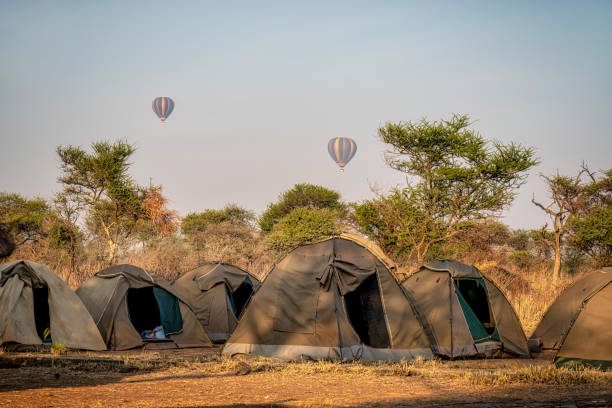
A Serengeti safari is one of the most unforgettable wildlife experiences in Africa. From vast golden plains and dramatic kopjes to lions resting beneath acacia trees and enormous herds of wildebeest moving across the landscape, the Serengeti offers travelers an opportunity to experience nature on an extraordinary scale. This Serengeti safari guide provides the essential information you need before planning your Tanzania adventure, including wildlife, safari seasons, routes, accommodation, costs, activities, and practical travel advice.
Located in northern Tanzania, Serengeti National Park is internationally recognized for its remarkable wildlife and the annual movement of wildebeest, zebras, and gazelles. UNESCO recognizes the park as a World Heritage Site and describes the annual migration as one of the world’s most impressive natural spectacles. The wider Serengeti ecosystem supports an exceptional diversity of wildlife and habitats.
For travelers planning a first safari, the size and variety of the Serengeti can initially feel overwhelming. There are different regions to consider, several accommodation styles, different safari durations, and seasonal wildlife movements that can influence where you should stay.
The good news is that you do not have to plan everything alone.
Kilimanjaro Safaris Champions can help you create a personalized Serengeti safari based on your travel dates, budget, interests, preferred accommodation, and overall Tanzania itinerary.
Why Choose the Serengeti for a Safari?
The Serengeti is famous for its exceptional concentration of wildlife and enormous open landscapes.
The park forms the heart of a much larger ecosystem extending beyond its boundaries. UNESCO notes that the Serengeti National Park covers approximately 1.5 million hectares and contains an extraordinary variety of habitats, from open grasslands to woodlands and rivers. Heritage Centre
For visitors, this diversity creates opportunities to see a wide range of animals during game drives.
You may encounter lions hunting or resting after a meal, elephants moving through woodland, giraffes browsing on vegetation, buffalo gathering in large herds, and cheetahs scanning the plains for prey.
The Serengeti is also home to numerous smaller animals and bird species.
However, wildlife is not the only reason to visit.
The scenery itself is spectacular.
The seemingly endless plains create a sense of space that is difficult to experience elsewhere.
Rocky kopjes rise from the grasslands, while seasonal rivers and woodland areas create different habitats for wildlife.
The Great Migration
The Great Migration is arguably the most famous natural event associated with the Serengeti.
Large herds of wildebeest, zebras, and gazelles move through the Serengeti ecosystem in response to rainfall, fresh grass, and water availability.
UNESCO describes the migration as a circular journey spanning roughly 1,000 kilometers across the broader Serengeti-Mara ecosystem.
One important point for travelers is that the migration does not happen in one single location throughout the year.
The animals move.
Therefore, choosing your safari dates and region carefully can significantly influence your experience.
This is why a professional Serengeti safari guide should consider seasonal wildlife movements when recommending your itinerary.
If seeing the migration is your main objective, tell your safari operator before booking.
Your operator can help identify the most suitable area based on your travel dates.
When Is the Best Time to Visit Serengeti?
There is no single month that is perfect for every traveler.
The best time depends on what you want to see and the type of experience you prefer.
Many travelers favor the drier periods because wildlife can become easier to spot around water sources and vegetation may be less dense.
However, different seasons provide different advantages.
Some travelers want excellent general game viewing.
Others specifically want to follow the Great Migration.
Some prefer fewer visitors and potentially lower accommodation costs.
Therefore, your travel goals should come before choosing your dates.
A good itinerary considers wildlife, weather, road conditions, accommodation availability, and your budget.
Serengeti Safari During the Dry Season
During drier periods, vegetation can become less dense and wildlife may concentrate around remaining water sources.
This can create excellent game-viewing opportunities.
The roads may also be more accessible in many areas.
For first-time safari travelers who want a classic wildlife experience, a dry-season safari can be an excellent choice.
However, popular periods can also mean increased demand for camps and lodges.
Booking early is therefore advisable, particularly if you want a specific accommodation style.
Serengeti Safari During the Green Season
The wetter months can transform the landscape.
The plains become greener, skies can be dramatic, and young animals may be visible in areas associated with breeding activity.
For photographers, green-season landscapes can be especially attractive.
The lower visitor numbers in some periods may also appeal to travelers who prefer a quieter safari.
Rain does not necessarily mean that you will spend the entire day indoors.
Safari activities can continue during changing weather conditions.
However, travelers should be prepared for wet roads and changing driving conditions.
Serengeti Wildlife You Can See
One of the biggest attractions of the Serengeti is its wildlife diversity.
The park supports many species, including:
- Lions.
- Leopards.
- Cheetahs.
- Elephants.
- Buffalo.
- Giraffes.
- Zebras.
- Wildebeest.
- Hippos.
- Hyenas.
- Gazelles.
- Warthogs.
- Various antelope species.
- Hundreds of bird species.
UNESCO identifies the Serengeti as an ecosystem supporting very high biodiversity, including globally threatened species such as black rhinoceros, elephant, wild dog, and cheetah.
Wildlife sightings are never guaranteed.
Animals are free to move through their natural environment.
This is part of what makes safari exciting.
Every game drive is different.
The Big Five in Serengeti
Many travelers arrive in Tanzania hoping to see the African Big Five: lion, leopard, elephant, buffalo, and rhinoceros.
The Serengeti provides opportunities to encounter these famous animals.
Lions are particularly iconic and can often be found in open areas where they can observe prey.
Leopards can be more difficult to locate because they are secretive and may rest in trees or dense vegetation.
Elephants and buffalo can be encountered in different habitats.
Rhinoceros sightings are less common than sightings of several other large mammals, which makes an encounter particularly special.
A good guide is invaluable because experience, patience, and knowledge of animal behavior can improve the quality of game viewing.
Serengeti Regions
The Serengeti is a large protected landscape, and different regions offer different experiences.
Seronera and the Central Serengeti are well known for year-round wildlife opportunities.
The Western Corridor is associated with seasonal movements and river environments.
The Northern Serengeti can be particularly important for travelers interested in migration-related experiences at certain times of the year.
The Southern Serengeti is famous for grasslands and seasonal wildlife activity.
A good safari itinerary should not simply say “Serengeti.”
It should explain which region you will visit and why.
Central Serengeti
Central Serengeti is one of the most accessible and popular areas.
Seronera is a major wildlife area and can provide excellent game viewing.
The central region can be useful for travelers who have limited time because it offers opportunities to explore a productive wildlife environment without requiring extremely long drives to remote sections.
It is also a common component of multi-day Tanzania safari itineraries.
For first-time visitors, spending several days in central Serengeti can provide a balanced experience.
Northern Serengeti
Northern Serengeti offers a different atmosphere.
It is more remote than some central areas and can provide an appealing experience for travelers who want to explore farther from the busiest areas.
During certain periods, the northern region can become important for travelers following the movement of migrating herds.
However, migration locations change.
This is why you should avoid booking based solely on a generic statement that a particular month guarantees a specific sighting.
A reputable operator should explain the seasonal nature of wildlife movements.
Western Serengeti
The Western Corridor stretches toward the Grumeti area.
It is known for its riverine environments and seasonal wildlife movements.
Travelers visiting during appropriate periods may have opportunities to observe animals around the river and surrounding habitats.
The western region can be incorporated into longer safari itineraries.
For travelers who want to explore more than the central plains, it can provide useful variety.
Southern Serengeti
Southern Serengeti and the surrounding ecosystem are associated with seasonal grasslands and important periods in the wildebeest cycle.
The region can be especially attractive to travelers interested in calving-season experiences.
The landscape can be breathtaking.
Wide plains provide expansive views and excellent photographic opportunities.
Because wildlife movements are seasonal, your operator should match your travel dates with the areas most likely to provide the experience you want.
How Many Days Do You Need?
The ideal safari duration depends on your interests and budget.
A short Serengeti visit can provide a taste of the park.
However, staying longer gives you more opportunities to explore different areas and experience wildlife at different times of day.
A two-day itinerary may be suitable for travelers with very limited time, but three or four days can provide a more immersive experience.
For a broader Tanzania safari, you might combine Serengeti with Tarangire National Park and the Ngorongoro Conservation Area.
Longer itineraries are especially valuable for travelers who want a slower pace.
Suggested Serengeti Safari Durations

A short safari can work well for travelers with limited vacation time.
A medium-length itinerary provides more flexibility.
A longer safari allows you to explore multiple regions and spend more time observing animal behavior.
For example:
- 2 days: Short Serengeti introduction.
- 3 days: Good balance for many travelers.
- 4–5 days: More opportunities for varied wildlife experiences.
- 6+ days: Ideal for travelers seeking a deeper Serengeti experience.
The right duration depends on your overall Tanzania itinerary.
Accommodation Options
Serengeti accommodation ranges from comfortable tented camps to luxury lodges.
Budget-conscious travelers may prefer simple campsites or more basic accommodations.
Mid-range travelers can choose comfortable tented camps and lodges.
Luxury travelers can select high-end camps offering spacious tents, premium services, private dining, and exceptional locations.
Mobile camps can be particularly attractive because they may follow seasonal wildlife movements.
Permanent lodges offer a different style of experience.
Your accommodation choice should reflect your budget and preferred level of comfort.
Luxury Serengeti Safari
Luxury travelers can enjoy a high level of comfort while remaining close to nature.
Luxury tented camps can provide comfortable beds, private bathrooms, excellent dining, and personalized service.
Some properties offer private vehicles, private dining, bush breakfasts, and other premium experiences.
For honeymooners, couples, families, and travelers celebrating special occasions, a luxury Serengeti safari can be designed around privacy and comfort.
Kilimanjaro Safaris Champions can help travelers compare accommodation categories and build a safari that matches their expectations.
Budget Serengeti Safari
A memorable safari does not necessarily require the most expensive accommodation.
Budget and mid-range options can provide excellent wildlife experiences while keeping costs more manageable.
One important consideration is that the quality of your guide and safari planning can be just as important as accommodation.
A comfortable room is valuable, but the safari experience itself depends heavily on route planning, timing, vehicle quality, guide knowledge, and wildlife interpretation.
When comparing packages, look beyond the hotel or camp name.
Private Versus Group Safari
Solo travelers, couples, families, and friends can choose private safari arrangements.
A private safari provides greater flexibility.
You can often customize the schedule, accommodation, and destinations.
You also have more control over how much time you spend observing a particular animal.
Group safaris can be more economical.
They can also be social and enjoyable for travelers who like meeting people from different countries.
Both options can provide excellent experiences.
Your decision should depend on your budget and preferred travel style.
Safari Vehicle and Game Drives
The safari vehicle is an important part of your experience.
A good vehicle should provide comfortable seating, appropriate viewing opportunities, and reliable performance on rough roads.
Game drives usually involve early starts because wildlife can be particularly active during cooler parts of the day.
Morning drives can provide beautiful light for photography.
Afternoon drives can offer different wildlife behavior.
Some itineraries also include full-day game drives with packed lunches.
Your guide will help determine the best schedule based on wildlife conditions and your itinerary.
Why a Professional Guide Matters
A professional guide can transform a game drive into a learning experience.
Instead of simply seeing an animal, you can learn about its behavior, habitat, social structure, feeding patterns, and role within the ecosystem.
Guides also communicate with other safari vehicles and monitor wildlife movements.
Their local knowledge can make a major difference.
This is especially important for travelers visiting Serengeti for the first time.
A high-quality Serengeti safari guide should therefore do more than drive.
The guide should interpret the environment and help you understand what you are seeing.
Responsible Safari Travel
Responsible tourism is becoming increasingly important in Tanzania.
Visitors should respect wildlife and avoid disturbing animals.
Never ask a driver to chase an animal or move dangerously close simply to obtain a photograph.
Keep noise levels low.
Follow park regulations.
Avoid littering.
Respect local communities.
Choose tourism companies that value conservation and responsible travel.
The Serengeti’s future depends on maintaining the health of its ecosystems and ensuring that tourism contributes positively to conservation and local livelihoods.
Why Book Your Serengeti Safari With Kilimanjaro Safaris Champions?
Planning a safari independently can involve many separate decisions.
You need to consider transportation, accommodation, park fees, guides, safari vehicles, meal arrangements, route planning, and travel timing.
Kilimanjaro Safaris Champions can coordinate these components into one organized itinerary.
Our team can create private or group safari packages depending on your preferences.
We can also combine your Serengeti adventure with other northern Tanzania destinations.
For example, your itinerary could include Tarangire, Ngorongoro, and Serengeti.
Travelers can also combine a wildlife safari with Mount Kilimanjaro or a relaxing Zanzibar beach holiday.
This allows you to experience several sides of Tanzania during one trip.
Quick Summary
Before booking your safari, remember these key points:
- Serengeti is one of Tanzania’s most famous wildlife destinations.
- The park is recognized as a UNESCO World Heritage Site.
- The Great Migration is a seasonal movement rather than a single event in one location.
- Different Serengeti regions offer different experiences.
- Central Serengeti is popular for general wildlife viewing.
- Northern Serengeti can be important during certain migration periods.
- Southern Serengeti is significant during seasonal grassland and calving periods.
- Safari duration should match your interests and available vacation time.
- Private safaris provide greater flexibility.
- Group safaris can offer a more economical and social experience.
- Accommodation ranges from budget campsites to luxury lodges and tented camps.
- A knowledgeable guide can significantly improve your safari.
- Responsible wildlife viewing is essential.
Start Planning Your Serengeti Safari
The Serengeti is more than a destination for checking animals off a list.
It is an opportunity to experience one of the world’s remarkable wildlife ecosystems.
From the open plains to the dramatic kopjes, from quiet sunrise game drives to spectacular wildlife encounters, every day can bring something different.
The key to a successful trip is thoughtful planning.
Choose your travel dates carefully.
Select the right region.
Allow enough time.
Choose accommodation that matches your expectations.
Decide whether a private or group safari suits you.
Most importantly, work with a professional Tanzania safari operator that understands the destination.
At Kilimanjaro Safaris Champions, we can help you create a personalized Serengeti safari based on your interests, budget, travel dates, and preferred style.
Whether you are planning your first African safari, a luxury honeymoon, a family wildlife adventure, or a longer Tanzania holiday, our team can help turn your plans into a well-organized experience.
Serengeti Safari Guide: Best Time to Visit, Wildlife and the Best Safari Regions
Choosing the right time and location can make a major difference to your Tanzania safari experience. This Serengeti safari guide explains the different seasons, wildlife experiences, and safari regions so you can plan an itinerary that matches your travel goals. Whether your dream is to witness the Great Migration, photograph predators, enjoy a luxury safari, or simply experience the incredible landscapes of Tanzania, understanding when and where to travel is essential.
The Serengeti is not a destination where wildlife stays in one place throughout the year. Animals respond to rainfall, food, water, and seasonal changes. As a result, different areas can offer different experiences at different times.
This is why choosing your safari dates should be more than simply looking at a calendar. Your travel dates should be connected to what you want to experience.
At Kilimanjaro Safaris Champions, we help travelers match their preferred travel period with suitable safari destinations, accommodation, and activities. Our goal is to create a practical itinerary that gives you the best possible experience while respecting your budget and travel preferences.
What Is the Best Time for a Serengeti Safari?

There is no single answer to the question of when to visit Serengeti.
The best time depends on your priorities.
If your priority is general wildlife viewing, you may prefer a dry period when vegetation is less dense and animals can be easier to locate.
If your priority is the Great Migration, your travel dates should be planned around the seasonal movement of wildebeest and other grazing animals.
If your priority is photography and fewer crowds, a greener period may appeal to you.
Every season has advantages and disadvantages.
A professional Serengeti safari guide should therefore help you understand the differences before you make a booking.
Dry Season Safari
The dry season is traditionally one of the most popular periods for wildlife safaris in northern Tanzania.
During drier months, vegetation can become less dense and some wildlife gathers around available water sources.
These conditions can make game viewing easier.
The weather can also be more predictable in many areas.
For first-time safari visitors, this can create an excellent classic safari experience.
However, popular travel periods can bring higher demand for camps and lodges.
If you have specific accommodation in mind, booking early is recommended.
Green Season Safari
The green season offers a very different atmosphere.
Rainfall transforms the landscape into vibrant shades of green.
The air can feel fresh, clouds can create dramatic skies, and young animals may be encountered in areas associated with breeding activity.
For photographers, these conditions can produce spectacular backgrounds.
The green season can also appeal to travelers who prefer fewer visitors.
However, travelers should be prepared for occasional rainfall and changing road conditions.
Rain does not mean your safari will be ruined.
In fact, some of the most beautiful wildlife photographs are taken under dramatic weather conditions.
The Great Migration
The Great Migration is one of the main reasons travelers dream of visiting Serengeti.
Huge numbers of wildebeest, zebras, and gazelles move through the Serengeti ecosystem in search of fresh grazing and water.
The movement is continuous rather than a single event that happens on one specific date.
This distinction is important.
Travelers sometimes expect to arrive on a particular day and automatically see thousands of animals crossing a river.
Nature does not operate according to a fixed tourist timetable.
The location of the herds depends on rainfall and environmental conditions.
Therefore, a flexible itinerary and knowledgeable local operator can be extremely valuable.
Migration and River Crossings
River crossings are among the most famous images associated with the Great Migration.
During certain periods, migrating herds move through northern areas where rivers can create dramatic natural obstacles.
Watching thousands of animals approach a river can be an unforgettable experience.
However, crossings cannot be guaranteed.
Animals may wait for hours or days before crossing.
They may also choose another crossing point.
Travelers should therefore approach migration safaris with realistic expectations.
The goal is to experience the natural behavior of wildlife rather than expecting nature to perform on demand.
Calving Season
Another fascinating period of the migration cycle is the calving season.
Large numbers of wildebeest give birth when conditions provide suitable fresh grazing.
The sight of newborn animals across the plains can be extraordinary.
Calving areas also attract predators.
Lions, cheetahs, hyenas, and other predators take advantage of the abundance of vulnerable young animals.
For wildlife enthusiasts, this can be one of the most exciting periods to visit.
However, responsible safari behavior remains important.
Visitors should never encourage drivers to disturb animals for a better photograph.
Serengeti Wildlife
The Serengeti is famous for supporting a remarkable variety of wildlife.
Depending on the region and season, you may see:
- Lions.
- Leopards.
- Cheetahs.
- Elephants.
- Buffalo.
- Giraffes.
- Wildebeest.
- Zebras.
- Hyenas.
- Hippos.
- Gazelles.
- Warthogs.
- Antelope.
- Numerous bird species.
Wildlife sightings are never guaranteed.
Animals are free to move across large landscapes.
This unpredictability is part of the attraction of safari.
One moment you may be watching a herd of zebras.
Minutes later, your guide may receive information about a leopard nearby.
The experience can change throughout the day.
Lions in Serengeti
Lions are among the most iconic animals in Tanzania.
The Serengeti provides opportunities to observe prides resting, moving, hunting, or interacting with one another.
Early morning and late afternoon can be particularly productive periods for wildlife activity.
A knowledgeable guide can explain lion behavior and help you understand the social relationships within a pride.
Instead of simply photographing a lion, you can learn why it is resting, how the pride is structured, and what behavior you are observing.
This is one reason a professional guide adds considerable value to a safari.
Leopards in Serengeti
Leopards are among the more elusive big cats.
They can spend significant amounts of time resting in trees, thick vegetation, or shaded areas.
Finding one can require patience.
Experienced guides know habitats where leopards are sometimes encountered and can recognize subtle signs of their presence.
For photographers, leopard sightings can be particularly rewarding because the animals can create striking images.
However, travelers should remember that the animals are wild and sightings cannot be guaranteed.
Cheetahs in Serengeti
Cheetahs are adapted for speed and are often associated with open grasslands.
Their body structure allows them to pursue prey at remarkable speeds over short distances.
The open landscapes of the Serengeti can provide suitable habitat for cheetahs.
Seeing one scanning the plains or moving with its cubs can be a memorable safari experience.
Your guide can explain the differences between cheetahs, leopards, and lions, helping you understand the behavior and appearance of each species.
Elephants
Elephants are among the largest land animals on Earth.
Seeing an elephant herd moving across the Serengeti landscape can be unforgettable.
Their social structure is particularly interesting.
Families may move together while younger elephants remain close to adults.
A respectful distance should always be maintained.
Professional safari guides understand how to position the vehicle without unnecessarily disturbing animals.
Buffalo
African buffalo are powerful herd animals and are commonly associated with many Tanzanian safari landscapes.
Large buffalo herds can create dramatic scenes across open grasslands.
Although they may appear calm, travelers should remember that they are wild animals.
The safari vehicle should maintain an appropriate distance.
A skilled guide knows how to read animal behavior and position the vehicle responsibly.
Giraffes
Giraffes add a distinctive visual element to a Serengeti safari.
Their height allows them to browse vegetation that many other animals cannot reach.
Watching giraffes move across open landscapes can be particularly beautiful during sunrise or sunset.
Their silhouettes against the African sky can create exceptional photographic opportunities.
The Big Five Experience
Many international travelers include seeing the Big Five among their safari goals.
The Big Five traditionally refers to:
- Lion.
- Leopard.
- Elephant.
- Buffalo.
- Rhinoceros.
Serengeti provides opportunities to encounter several of these species.
However, rhinoceros sightings are considerably less predictable than some other wildlife encounters.
A responsible Serengeti safari guide should never promise guaranteed sightings of specific animals.
Instead, your guide should use experience and local knowledge to maximize your opportunities while respecting natural wildlife behavior.
Central Serengeti
Central Serengeti is one of the most popular regions for visitors.
The Seronera area is particularly well known for wildlife viewing.
The central region can be a practical choice for first-time visitors because it offers strong general game-viewing opportunities.
It can also fit well into shorter safari itineraries.
If you only have a few days available, your operator may recommend spending time in central Serengeti rather than using too much of your holiday on long transfers between distant regions.
Northern Serengeti
Northern Serengeti offers a more remote atmosphere.
The area can become particularly important during certain periods of the migration cycle.
Travelers who want to explore northern Serengeti should consider their travel dates carefully.
Because wildlife movement changes naturally, the exact location of migrating herds can never be guaranteed.
Nevertheless, northern Serengeti can provide an exceptional combination of scenery, wildlife, and a sense of wilderness.
Western Serengeti
The Western Corridor offers a different landscape from the central plains.
River environments and seasonal wildlife movements contribute to the character of this region.
Travelers with more time can include the Western Corridor in a broader itinerary.
This allows you to experience different Serengeti environments rather than concentrating exclusively on one region.
Southern Serengeti
Southern Serengeti is particularly significant during periods associated with the wildebeest calving cycle.
The open grasslands can become filled with grazing animals.
Predators are naturally attracted to areas where prey is abundant.
For travelers interested in wildlife behavior and photography, southern Serengeti can be a rewarding destination.
Timing is essential, however.
Your operator should assess seasonal conditions before recommending a specific itinerary.
Serengeti Safari for Couples
Couples can enjoy a highly personalized safari experience.
A private vehicle allows you to create a flexible schedule and spend more time observing wildlife.
Romantic experiences can also be incorporated into the itinerary.
These may include a bush breakfast, sunset experience, private dinner, or luxury tented camp.
Couples celebrating honeymoons and anniversaries can request special arrangements.
Kilimanjaro Safaris Champions can customize safari accommodation and activities around special occasions.
Serengeti Safari for Families
Families should consider accommodation, driving distances, children’s ages, and daily activity schedules.
A safari itinerary for a family should not necessarily be identical to an itinerary designed for experienced adult travelers.
Shorter game drives can sometimes work better for younger children.
Comfortable accommodation is also important.
A professional operator can help select camps and lodges that are appropriate for your family.
Serengeti Safari for Solo Travellers
Solo travelers can choose either private or shared safari arrangements.
A private safari offers maximum flexibility.
A shared safari can reduce costs and create opportunities to meet other travelers.
Solo travelers should also consider the length of daily drives.
A well-planned itinerary can balance game viewing with sufficient rest.
If you are traveling alone, having an experienced driver-guide can also make navigation and logistics much easier.
Luxury Serengeti Safari
A luxury safari combines wildlife exploration with premium accommodation and personalized service.
Luxury camps and lodges may provide private rooms or tents, high-quality dining, attentive service, and beautiful locations.
Some itineraries can include private vehicles.
This provides additional flexibility during game drives.
For travelers who want comfort without sacrificing the feeling of being close to nature, a luxury Serengeti safari can be an excellent option.
Budget Serengeti Safari
A budget safari can still deliver an excellent wildlife experience.
The main difference is often accommodation style rather than the quality of wildlife itself.
Travelers can choose more affordable camps or lodges while still enjoying professional guiding and game drives.
The key is to compare packages carefully.
Do not assume that the cheapest package is automatically the best value.
Consider transportation, meals, park fees, guide services, accommodation, and the quality of the safari vehicle.
How Long Should You Stay?
For a meaningful Serengeti experience, additional days provide greater flexibility.
A very short visit may limit your ability to explore different regions.
Three days can provide a good introduction.
Four or five days can allow a deeper experience.
Longer stays can be ideal for travelers who want to focus on photography, migration, wildlife behavior, or luxury travel.
Your available vacation time should determine the final itinerary.
Customer Expert Tip: Plan Around Your Main Goal
Before contacting a safari company, identify your number-one priority.
Do you want to see the Great Migration?
Do you want Big Five wildlife?
Are you interested in photography?
Do you want luxury accommodation?
Are you traveling with children?
Do you want a budget-friendly experience?
Your answer will help your safari planner create a more suitable itinerary.
A good Serengeti safari guide should not simply sell you the same package as every other traveler.
Your itinerary should reflect your priorities.
Why Choose Kilimanjaro Safaris Champions?
Kilimanjaro Safaris Champions is a Tanzania-based safari and mountain tour company offering customized travel experiences.
Our team can help you plan Serengeti game drives, accommodation, transportation, airport transfers, and multi-destination itineraries.
We can also combine your Serengeti experience with other destinations such as Tarangire, Ngorongoro, Mount Kilimanjaro, and Zanzibar.
This allows you to create a complete Tanzania holiday around your interests.
Whether you are traveling as a solo explorer, couple, family, honeymooner, or private group, we can help design a safari that matches your expectations.
Quick Planning Checklist
Before booking your Serengeti adventure, consider:
- Your preferred travel month.
- Your main wildlife goal.
- Your desired safari duration.
- Whether you prefer private or shared travel.
- Your accommodation level.
- Your transportation preferences.
- Whether you want to visit other Tanzania destinations.
- Your overall budget.
- Whether you need airport transfers.
- Whether you want a safari extension to Zanzibar.
Having these details ready makes the booking process easier.
Plan Your Serengeti Adventure Today
The Serengeti offers an extraordinary combination of wildlife, landscapes, adventure, and natural beauty.
However, the quality of your experience depends heavily on planning.
Choosing the right travel period can improve your chances of experiencing the wildlife activity you want.
Choosing the right region can reduce unnecessary driving and provide better access to your preferred experiences.
Choosing the right accommodation can make your safari more comfortable.
And choosing the right guide can transform ordinary game drives into memorable wildlife experiences.
At Kilimanjaro Safaris Champions, we understand that every traveler has different expectations.
That is why we create customized Tanzania safari itineraries rather than treating every visitor the same.
Whether your dream is to witness the Great Migration, photograph big cats, enjoy a luxury safari, explore Serengeti with your family, or combine wildlife with Mount Kilimanjaro and Zanzibar, our team can help you plan it.
Start your Serengeti adventure with Kilimanjaro Safaris Champions. Contact us today for a personalized safari itinerary and quotation.