
- 1
- 11
- 1
- 11
Lake Manyara
Lake Manyara National Park is one of Tanzania’s most scenic and diverse wildlife destinations, offering a unique combination of breathtaking landscapes, abundant wildlife, and rich natural beauty. Located in the northern part of Tanzania, beneath the dramatic cliffs of the Great Rift Valley, this remarkable park is famous for its stunning lake views, lush groundwater forests, large elephant population, incredible birdlife, and the legendary tree-climbing lions.
Despite being one of Tanzania’s smaller national parks, Lake Manyara provides an extraordinary safari experience due to its remarkable variety of ecosystems packed into a relatively compact area. Visitors can explore dense forests, open grasslands, underground water forests, wetlands, and the alkaline waters of Lake Manyara itself, creating a destination where every corner reveals a different natural wonder.
The park is often included as part of the Northern Tanzania Safari Circuit, making it an ideal stopover between Arusha and other famous destinations such as Tarangire National Park, the Ngorongoro Crater, and Serengeti National Park. Its combination of spectacular scenery, diverse wildlife, and easy accessibility makes Lake Manyara a must-visit destination for travelers seeking an authentic African safari experience.
Location and Geography
Lake Manyara National Park is located in the Manyara Region of northern Tanzania, approximately 126 kilometers west of Arusha. The park lies along the base of the Great Rift Valley escarpment, one of the world’s most impressive geological formations.
Covering an area of approximately 330 square kilometers, the park is dominated by the shallow alkaline Lake Manyara, which occupies a significant portion of the park’s landscape, especially during the rainy seasons. The dramatic Rift Valley cliffs rise high above the park, creating a spectacular backdrop that makes Lake Manyara one of the most visually stunning safari destinations in Tanzania.
The unique geography of the park creates several different habitats, including evergreen forests, floodplains, woodland areas, and open savannah. These diverse environments support a wide range of wildlife species and make Lake Manyara an exceptional destination for both nature lovers and photographers.
History and Conservation
Lake Manyara was officially established as a national park in 1960, making it one of Tanzania’s oldest protected areas. The park was created to protect its unique ecosystem, diverse wildlife populations, and the important wetland environment surrounding the lake.
For generations, the area around Lake Manyara has been home to local communities who have maintained strong cultural connections with the land. The nearby communities, including the Maasai and other indigenous groups, continue to contribute to the region’s rich cultural identity.
Today, Lake Manyara National Park plays an important role in Tanzania’s conservation efforts by protecting valuable habitats, supporting biodiversity, and providing opportunities for sustainable tourism that benefits both wildlife and local communities.
Landscape and Natural Beauty
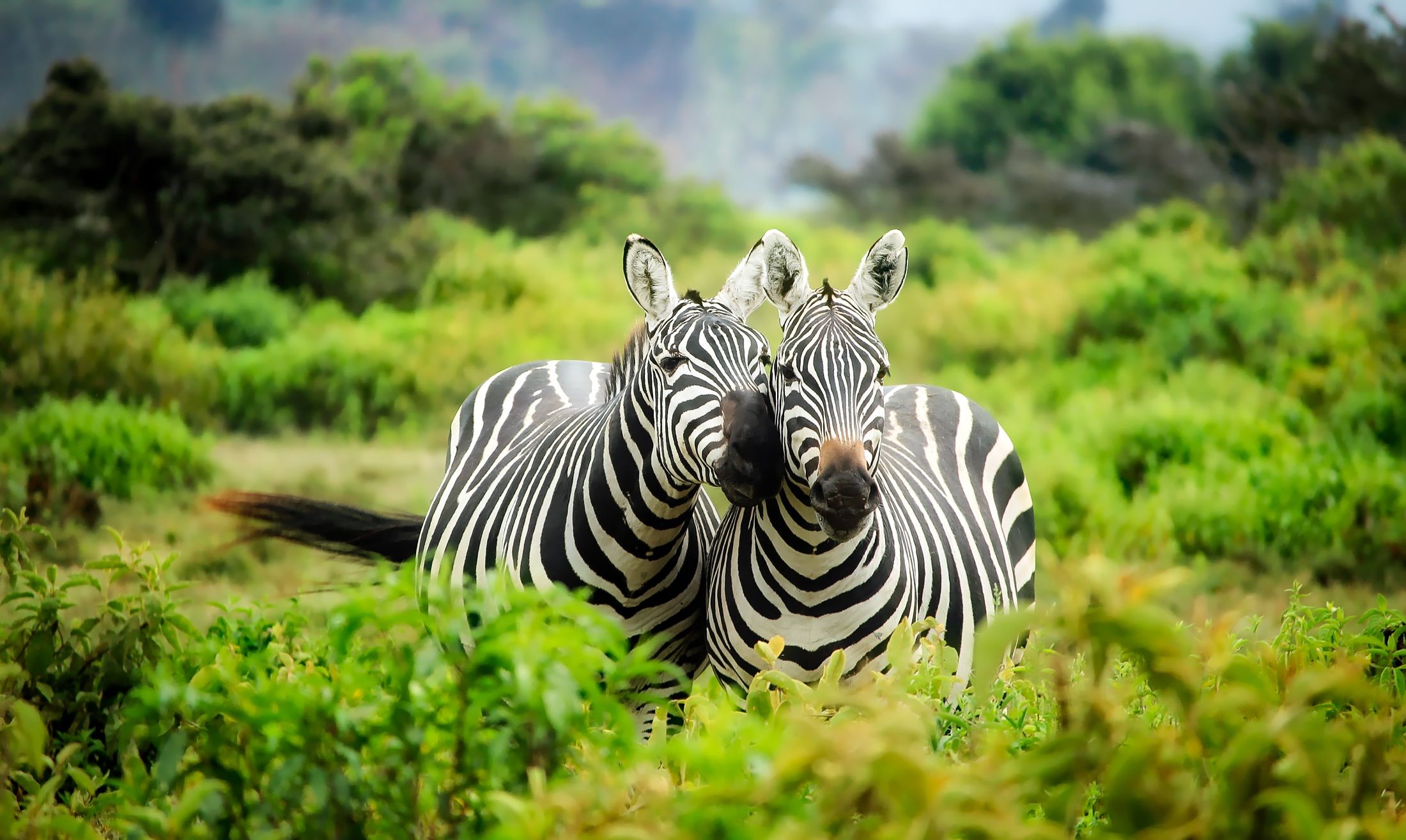
One of the greatest attractions of Lake Manyara National Park is its incredible variety of landscapes. Unlike many traditional safari destinations dominated by open plains, Lake Manyara offers a constantly changing environment filled with dramatic scenery.
The journey through the park begins with the impressive Great Rift Valley escarpment rising above the landscape. Visitors then enter lush groundwater forests filled with ancient trees, where elephants, monkeys, and other wildlife move beneath the green canopy.
Further into the park, the landscape opens into grassy floodplains and wetlands surrounding Lake Manyara. During certain seasons, the lake attracts thousands of flamingos and other water birds, creating one of Tanzania’s most beautiful natural spectacles.
The combination of forest, lake, mountains, and savannah creates a unique atmosphere where visitors can enjoy both wildlife viewing and breathtaking scenery in a single destination.
Wildlife Experience at Lake Manyara

Lake Manyara National Park is home to a remarkable variety of wildlife, offering excellent opportunities for game viewing throughout the year. The park is particularly famous for its large elephant population, which can often be seen moving through the forests and open areas.
Visitors may encounter a wide range of animals including:
- Elephants
- Lions
- Leopards
- Buffaloes
- Giraffes
- Zebras
- Wildebeests
- Hippos
- Warthogs
- Baboons and monkeys
- Antelopes such as impalas and dik-diks
One of the park’s most unique attractions is its famous tree-climbing lions. Although sightings are not guaranteed, Lake Manyara is one of the best places in Tanzania to search for lions resting on tree branches, especially during hot afternoons.
The park also supports a rich bird population, making it a paradise for bird enthusiasts. More than 400 bird species have been recorded, including flamingos, pelicans, storks, herons, and many colorful forest birds.
Top Attractions and Things to Do
1. Wildlife Game Drives
Game drives are the main activity in Lake Manyara National Park. Visitors explore the park in specially designed safari vehicles while searching for wildlife across different habitats. Morning and afternoon game drives offer the best opportunities to observe animals when they are most active.
2. Bird Watching
Lake Manyara is one of Tanzania’s top birding destinations. The combination of forests, wetlands, and the lake environment attracts a huge variety of bird species, making it an excellent destination for bird lovers and photographers.
3. Scenic Views of the Great Rift Valley
The viewpoint areas around Lake Manyara offer spectacular panoramic views of the park, lake, and surrounding landscapes. These viewpoints provide incredible photography opportunities and a deeper appreciation of the region’s geological beauty.
4. Cultural Experiences
Visitors can combine their Lake Manyara safari with cultural experiences in nearby communities. These experiences provide opportunities to learn about local traditions, lifestyles, and the relationship between people and the environment.
Best Time to Visit Lake Manyara National Park.
Lake Manyara National Park can be visited throughout the year, with each season offering a different experience.
The dry season, from June to October, is generally considered one of the best times for wildlife viewing. During this period, animals gather around remaining water sources, making them easier to spot during game drives.
The wet seasons, from November to May, transform the park into a lush green paradise. This period is excellent for bird watching as migratory birds arrive and flamingo numbers often increase around the lake. The landscape becomes especially beautiful, with fresh vegetation and dramatic scenery.
For travelers interested in photography, the green season offers stunning landscapes, while the dry season provides excellent opportunities for wildlife sightings.
Why Visit Lake Manyara National Park?
Lake Manyara National Park offers a unique safari experience unlike anywhere else in Tanzania. Its combination of diverse landscapes, abundant wildlife, spectacular birdlife, and breathtaking scenery makes it an unforgettable destination for all types of travelers.
Whether you are searching for elephants walking through ancient forests, lions resting in trees, thousands of flamingos gathering on the lake, or simply enjoying the beauty of the Great Rift Valley, Lake Manyara delivers incredible moments at every turn.
For travelers exploring Tanzania’s Northern Safari Circuit, Lake Manyara is more than just a stopover—it is a destination filled with natural wonders, unforgettable experiences, and the true spirit of African wilderness.

Escape into the heart of Tanzania's wilderness on this unforgettable 7 Days Private Wildlife Escape, designed for travelers seeking a more personal, flexible, and immersive...
Duration
7 Days
$4900
Next Departures
September 12, 2026 (Available)September 13, 2026 (Available)September 14, 2026 (Available)

Celebrate your love with an unforgettable 7 Days Romantic Tanzania Safari, thoughtfully designed for couples who want to combine breathtaking wildlife, intimate moments, spectacular landscapes,...
Duration
7 Days
$4200
Next Departures
September 12, 2026 (Available)September 13, 2026 (Available)September 14, 2026 (Available)

Experience the magic of Tanzania together on this carefully designed 7 Days Family Wildlife Adventure, created for families who want to explore the country's incredible...
Duration
7 Days
$3500
Next Departures
September 12, 2026 (Available)September 13, 2026 (Available)September 14, 2026 (Available)

Create unforgettable family memories on this carefully designed 4 Days Family Safari Adventure, taking you through three of Tanzania's most remarkable wildlife destinations: Tarangire National...
Duration
4 Days
$2000
Next Departures
September 12, 2026 (Available)September 13, 2026 (Available)September 14, 2026 (Available)

Experience Tanzania at its most spectacular on this 9 Days Ultimate Luxury Safari, an immersive journey through the country's most celebrated northern wildlife destinations. Carefully...
Duration
9 Days
$6300
Next Departures
September 12, 2026 (Available)September 13, 2026 (Available)September 14, 2026 (Available)

Discover Tanzania through an elegant seven-day journey designed for travelers who want to experience the country's iconic wildlife while enjoying comfort, privacy, personalized service, and...
Duration
7 Days
$4900
Next Departures
September 12, 2026 (Available)September 13, 2026 (Available)September 14, 2026 (Available)

Embark on an unforgettable 7-day Tanzania Wildlife Safari through some of the most remarkable landscapes of the Northern Safari Circuit. This carefully designed journey combines...
Duration
7 Days
$3500
Next Departures
September 12, 2026 (Available)September 13, 2026 (Available)September 14, 2026 (Available)
Embark on an unforgettable full-day safari to Lake Manyara National Park, one of Tanzania's most picturesque wildlife destinations. Nestled at the base of the Great...
Duration
1 Day
$750
Next Departures
September 12, 2026 (Available)September 13, 2026 (Available)September 14, 2026 (Available)

Discover the beauty and diversity of Tanzania's Northern Safari Circuit on this exciting 3-day safari adventure covering three of the country's most remarkable wildlife destinations....
Duration
3 Days
$1200
Next Departures
September 12, 2026 (Available)September 13, 2026 (Available)September 14, 2026 (Available)

Duration
2 Days
$1200
Next Departures
September 12, 2026 (Available)September 13, 2026 (Available)September 14, 2026 (Available)