Climbing Mount Kilimanjaro is a safe and achievable adventure when proper health precautions and safety measures are followed. Although the mountain does not require technical climbing skills, the extreme altitude, changing weather conditions, and physical demands make health and safety planning absolutely essential. Understanding potential risks and how they are managed helps climbers prepare mentally, physically, and emotionally for a successful summit.
The greatest health challenge on Mount Kilimanjaro is high altitude, not terrain difficulty. As climbers ascend, oxygen levels decrease significantly, which can affect the body’s ability to function normally. Without proper acclimatization, climbers may experience Altitude Sickness (Acute Mountain Sickness – AMS).
Common symptoms include headaches, nausea, dizziness, fatigue, loss of appetite, and shortness of breath. In rare cases, severe forms such as HAPE (High Altitude Pulmonary Edema) and HACE (High Altitude Cerebral Edema) can occur, which are life-threatening if not treated promptly.
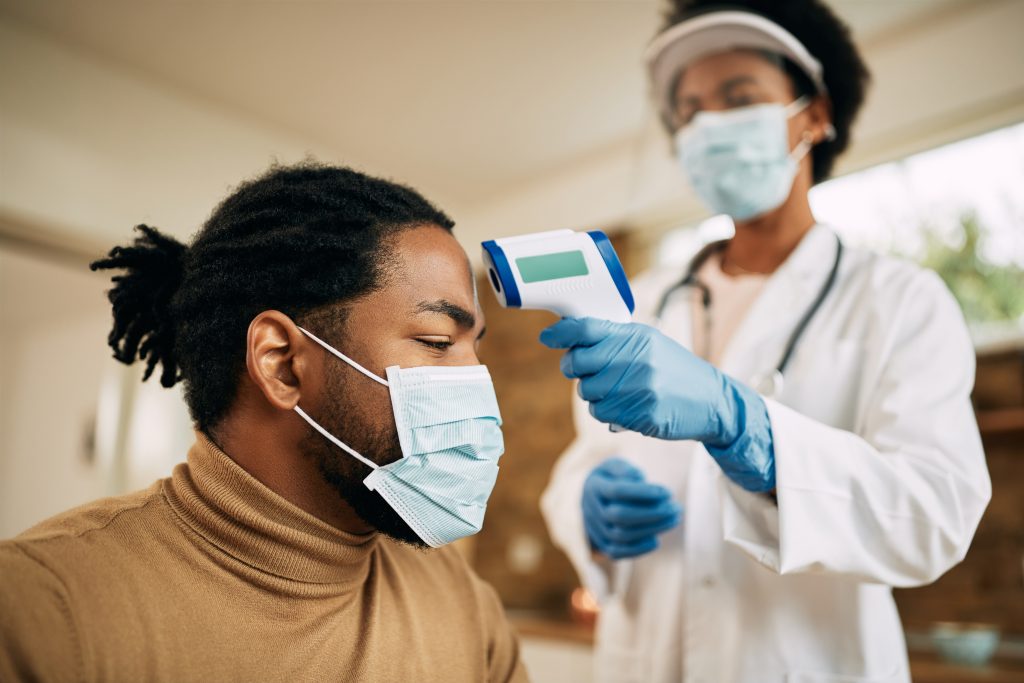
To minimize altitude-related risks, climbs are carefully designed with gradual ascent profiles, rest days, and proper pacing. Guides closely monitor climbers through daily health checks, including oxygen saturation and heart rate measurements. If symptoms worsen, immediate descent is the most effective and safest treatment.
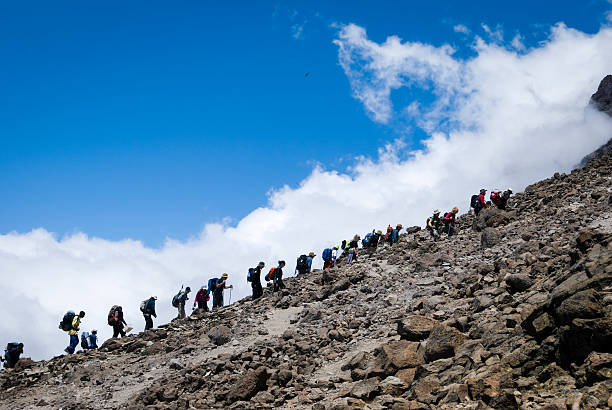
Safety on Kilimanjaro heavily depends on the experience and training of the guiding team. Professional Kilimanjaro guides are certified, highly experienced, and trained in high-altitude first aid, emergency response, and rescue procedures. Their role includes monitoring climbers’ physical condition, adjusting pace, managing hydration and nutrition, and making critical decisions when safety is at risk.
Support teams, including assistant guides, cooks, and porters, play an essential role in maintaining climbers’ wellbeing. They ensure camps are set up properly, meals are nutritious and energy-rich, and equipment is handled safely. A well-organized team allows climbers to focus on health, rest, and acclimatization.
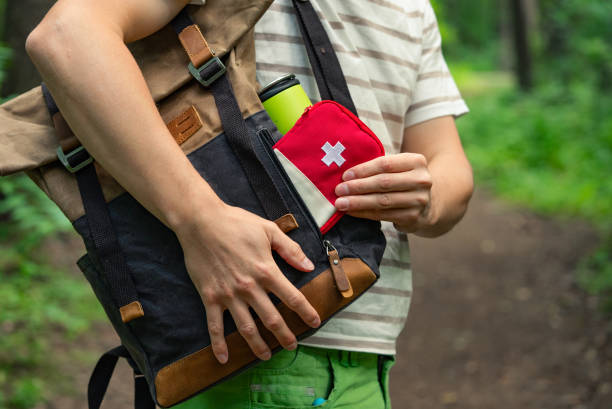
Health monitoring is a daily priority during the climb. Guides conduct regular medical assessments to detect early signs of altitude sickness or fatigue. Emergency oxygen cylinders, first aid kits, and communication equipment are carried on every climb.
In case of serious health concerns, evacuation procedures are clearly defined. Kilimanjaro National Park has established rescue systems, including rapid descent protocols, stretcher evacuation, and helicopter rescue services (subject to weather and insurance coverage). These measures significantly reduce risks and ensure prompt medical attention when required.
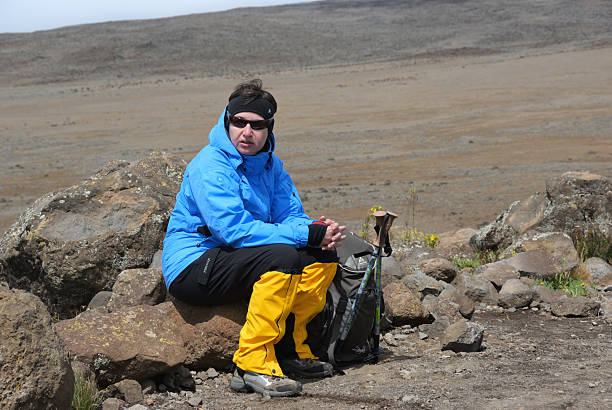
While Kilimanjaro does not require technical skills, good physical condition is essential for safety. Climbers should engage in cardiovascular training, hiking, and strength exercises prior to the climb to build endurance and reduce injury risk. Strong physical preparation improves energy levels, recovery, and mental resilience at altitude.
Mental preparedness is equally important. Summit night is long, cold, and demanding, and climbers who are mentally ready are more likely to cope well with fatigue and challenging conditions.
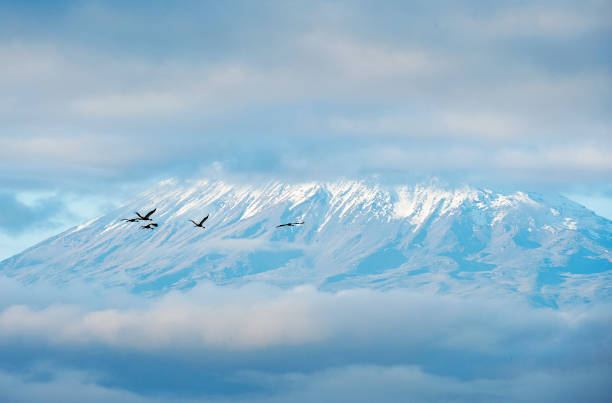
Weather conditions on Kilimanjaro can change rapidly, especially at higher altitudes. Temperatures may drop below –15°C, with strong winds and snowfall possible at the summit. Proper clothing, layering systems, and waterproof gear are essential to prevent hypothermia, frostbite, and dehydration.
Sun exposure is also intense due to thinner atmosphere at altitude. Climbers must protect themselves with sunscreen, sunglasses, hats, and hydration to avoid sunburn and heat exhaustion during daytime trekking.

Maintaining hygiene and proper nutrition plays a vital role in health and safety. Clean drinking water, balanced meals, and regular hand hygiene help prevent stomach illnesses and infections. Climbers are encouraged to drink plenty of water throughout the trek to support acclimatization and prevent dehydration.
Meals are carefully prepared to provide sufficient calories, carbohydrates, and proteins needed for energy and recovery. Appetite loss is common at altitude, so guides encourage regular eating even when hunger is reduced.

Safety also extends to ethical treatment of staff and environmental responsibility. Responsible tour operators ensure fair porter treatment, proper equipment, and manageable loads, which directly impacts overall expedition safety. Respecting park regulations, staying on designated trails, and following guide instructions help protect both climbers and the mountain ecosystem.
Kilimanjaro Safaris Champions is one of Tanzania’s leading tour and safari company, dedicated to delivering exceptional travel experiences