
Climbing Mount Kilimanjaro is one of the most exciting adventures in the world. Standing at 5,895 meters (19,341 feet) above sea level, it is the highest mountain in Africa and one of the most accessible high-altitude peaks for trekkers. Every year, thousands of climbers from around the world travel to Tanzania to experience the challenge and beauty of this famous mountain.
However, despite being a non-technical climb, Kilimanjaro presents one major challenge: high altitude and reduced oxygen levels. As climbers move higher up the mountain, the air becomes thinner, which means the body receives less oxygen with every breath. This natural change can affect the body in different ways, especially for people who are not used to high altitudes.
For this reason, responsible trekking companies such as Kilimanjaro Safaris Champions prioritize safety by carrying supplemental oxygen systems during climbs. These oxygen systems are used in emergency situations to help climbers who may experience serious altitude-related symptoms.
At sea level, the air contains enough oxygen for the body to function comfortably. However, as altitude increases, air pressure decreases, which reduces the amount of oxygen available in each breath.
On the summit of Mount Kilimanjaro, the oxygen level is almost 50% lower than at sea level. This means the body must work much harder to deliver oxygen to the brain, muscles, and other vital organs.
Because of this change, some climbers may experience symptoms such as:
Headaches
Dizziness
Shortness of breath
Fatigue
Loss of appetite
Difficulty sleeping
These symptoms are part of what is known as Acute Mountain Sickness. In most cases, these symptoms are mild and improve with rest, hydration, and proper acclimatization. However, in rare cases they can develop into more serious altitude illnesses that require immediate attention.
This is where supplemental oxygen becomes an important safety tool.

Supplemental oxygen is a portable medical system designed to deliver extra oxygen directly to a person who is having difficulty breathing normally due to altitude.
The system usually includes:
A lightweight oxygen cylinder
A pressure regulator that controls oxygen flow
A breathing mask or nasal tube
A portable medical bag carried by the guide
When used correctly, oxygen helps increase the amount of oxygen entering the body, allowing the brain and organs to function more normally while emergency procedures are arranged.
On Mount Kilimanjaro, oxygen is typically not used to help climbers reach the summit, but rather as an emergency safety measure.

Professional mountain guides constantly monitor the health of climbers throughout the expedition. Many teams also carry a pulse oximeter, a small device placed on a finger that measures oxygen levels in the blood.
If a climber begins to show signs of serious altitude problems, guides may provide supplemental oxygen to stabilize the situation.
Oxygen may be used if a climber experiences:
Severe symptoms of Acute Mountain Sickness
Signs of High Altitude Pulmonary Edema, a condition where fluid builds in the lungs
Signs of High Altitude Cerebral Edema, a rare but dangerous swelling of the brain
Extreme breathing difficulty
Severe fatigue or collapse
In these situations, oxygen is used together with immediate descent, which is the most effective treatment for altitude illness.

At Kilimanjaro Safaris Champions, the safety and well-being of climbers is the highest priority. Our mountain teams are trained to manage altitude challenges and respond quickly to any medical concerns during the climb.
During Kilimanjaro expeditions, our teams may carry safety equipment such as:
Emergency supplemental oxygen systems
Pulse oximeters for monitoring blood oxygen levels
Comprehensive high-altitude first aid kits
Professional communication equipment for emergency coordination
Our experienced guides receive training in high-altitude safety and wilderness first aid, ensuring that climbers receive professional support throughout the entire journey.
While oxygen is an important emergency tool, the best strategy is always proper acclimatization and responsible climbing practices.
Climbers can greatly improve their chances of reaching the summit safely by following these simple guidelines:
Climb slowly and follow the famous Kilimanjaro rule: “Pole Pole” (slowly, slowly)
Drink plenty of water every day
Eat regular meals even if appetite decreases
Inform guides immediately if any symptoms appear
Choose longer routes that allow better acclimatization
With the right pace, preparation, and professional guidance, most climbers successfully adapt to the altitude and complete the journey safely.
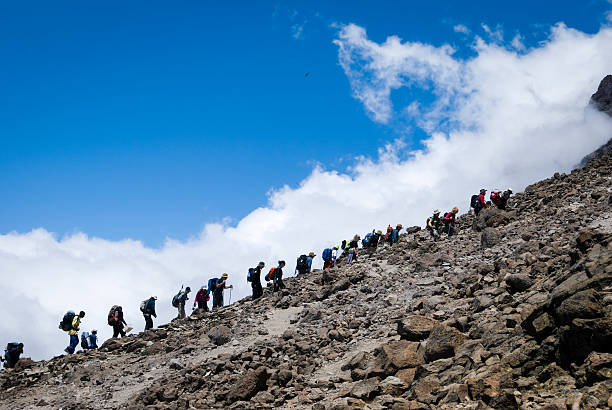
Climbing Mount Kilimanjaro is a life-changing experience that combines breathtaking landscapes, physical challenge, and personal achievement. With proper safety systems in place—including emergency oxygen support—climbers can explore Africa’s highest mountain with greater confidence and peace of mind.
At Kilimanjaro Safaris Champions, we are committed to providing safe, responsible, and professionally guided Kilimanjaro expeditions. Our experienced mountain teams ensure that every climber receives the support, care, and preparation needed for a successful and unforgettable adventure.
Kilimanjaro Safaris Champions is one of Tanzania’s leading tour and safari company, dedicated to delivering exceptional travel experiences