
Ngorongoro Conservation Area is one of Tanzania’s most iconic safari destinations and a UNESCO World Heritage Site. Located in northern Tanzania, just south of the Serengeti National Park, it forms a critical part of the Northern Safari Circuit, linking several of East Africa’s most famous wildlife areas.
Covering approximately 8,292 km², the conservation area is unique because it combines wildlife-rich ecosystems, cultural heritage, and dramatic geological features, all within a single protected area. At the heart of the Ngorongoro Conservation Area lies the Ngorongoro Crater, the world’s largest intact volcanic caldera, which serves as a natural amphitheater for a stunning concentration of wildlife.

The Ngorongoro Crater was formed roughly 2–3 million years ago when a giant volcano erupted and subsequently collapsed. The caldera measures about 20 kilometers in diameter and covers around 260 km², creating a dramatic depression surrounded by steep cliffs that rise up to 600 meters above the crater floor.
This volcanic history has shaped the area’s fertile soils, crater lakes, and diverse habitats, making it a haven for a wide variety of plant and animal species. Visitors can see remnants of volcanic activity in the crater walls, ridges, and occasional lava flows, all of which contribute to the breathtaking scenery of the region.
Ngorongoro Conservation Area supports multiple ecosystems within its boundaries, including:
Highland forests along the crater rim and surrounding escarpments
Grasslands and savannahs across the crater floor
Freshwater lakes and swamps, which provide essential water sources for wildlife
Rift Valley woodlands on the lower slopes of the escarpment
This variety of habitats allows Ngorongoro to support one of the highest concentrations of wildlife in East Africa.
The Ngorongoro Crater and the surrounding conservation area are home to an incredible variety of wildlife, including the Big Five (lion, elephant, buffalo, leopard, and rhino). Other common animals include giraffes, zebras, hippos, hyenas, wildebeest, and a multitude of antelope species.
The crater’s walls act as a natural enclosure, keeping herbivores and predators in close proximity, which makes it one of the most reliable and accessible areas for wildlife viewing in Africa. Bird species are also abundant, particularly around crater lakes and wetlands.
Ngorongoro Conservation Area is a major draw for safari tourism in Tanzania. Its combination of stunning landscapes, dense wildlife populations, and cultural heritage provides an experience unlike any other.
Tourists can explore the crater floor, take game drives to view concentrated wildlife, and visit Maasai communities that live within the conservation area. The proximity to the Serengeti National Park also makes it a natural extension of multi-day safari itineraries across northern Tanzania.
The Ngorongoro Conservation Area represents a perfect balance between conservation, tourism, and cultural heritage, ensuring that visitors enjoy both extraordinary natural beauty and unique encounters with Africa’s wildlife and people.
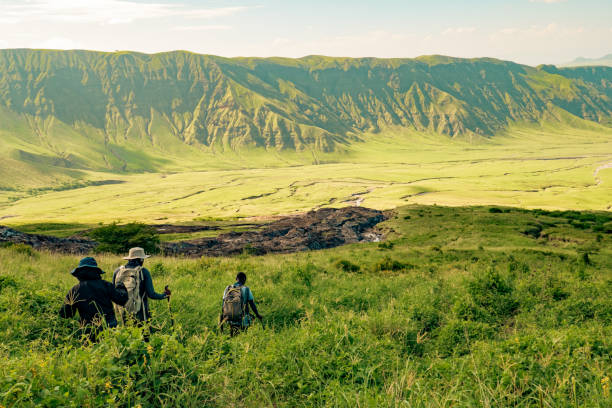
The Ngorongoro Crater, located at the heart of the Ngorongoro Conservation Area, is one of the most remarkable geological and ecological features in Africa. Formed by the collapse of a massive ancient volcano roughly 2–3 million years ago, the crater is a spectacular natural caldera with steep walls rising up to 600 meters above the crater floor.
Its nearly circular shape spans approximately 19 kilometers in diameter, creating a unique natural enclosure that supports an extraordinary concentration of wildlife. Unlike open savannahs where animals roam over vast distances, the crater’s rim acts as a protective barrier, keeping wildlife concentrated and highly visible for visitors.
The crater was formed when a giant volcano erupted and eventually collapsed in on itself. The result is a fertile caldera floor surrounded by steep escarpments, with rivers, swamps, and the shallow soda lake Lake Magadi enriching the soil. This geological history has created diverse habitats, including grasslands, wetlands, and pockets of forest, all within the same 260 km² basin.
The crater functions as a self-contained ecosystem. Its walls prevent many animals from migrating out, which makes Ngorongoro one of the most reliable places in Africa to view wildlife year-round.
Visitors can encounter elephants, lions, rhinos, buffalo, zebras, wildebeest, giraffes, hippos, and hyenas all within a relatively small area. Predators and prey coexist in close proximity, creating dynamic wildlife interactions that are rare in other safari destinations.
Because of this natural enclosure, the crater floor offers exceptional game-viewing opportunities, making it an ideal location for both first-time and seasoned safari travelers.
Concentrated wildlife viewing – Animals are easier to spot due to the crater’s natural boundaries.
Diverse species in a single location – From the Big Five to smaller herbivores and birdlife.
Photography paradise – The combination of steep rim walls, open grasslands, and abundant wildlife provides dramatic scenery for photography.
The Ngorongoro Crater is a living example of how geology and ecology intertwine, offering a world-class safari experience that is unparalleled in Tanzania and across Africa.
The Ngorongoro Crater, within the Ngorongoro Conservation Area, is one of the most remarkable wildlife destinations in Africa, renowned for its high concentration of animals within a relatively compact area. Its natural enclosure, fertile caldera floor, and abundant water sources make it a year-round wildlife hotspot, offering visitors unparalleled safari experiences.
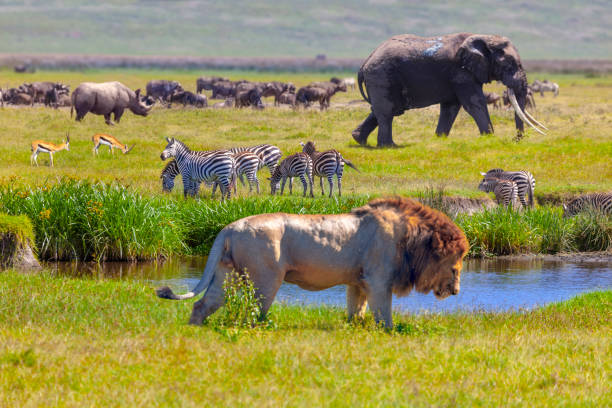
The crater is home to all members of Africa’s Big Five, making it a prime location for seeing these iconic species.
Ngorongoro hosts healthy lion populations, including prides that often rest in shaded areas or near water sources. Lions in the crater are highly visible due to the open grasslands and confined space, making it easier for visitors to witness hunting and social behaviors.
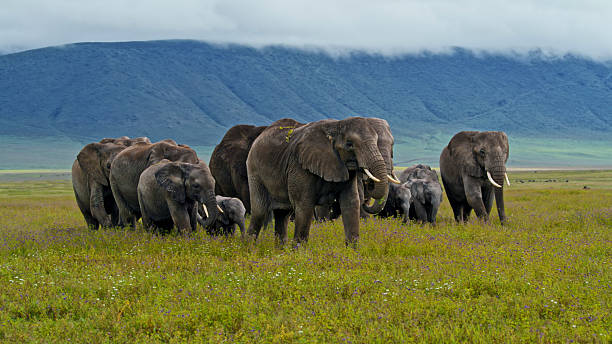
Elephants roam the crater floor in herds led by matriarchs, feeding on grass, shrubs, and trees. The crater’s forests and open plains provide excellent grazing areas, and herds can often be seen moving together near water sources.
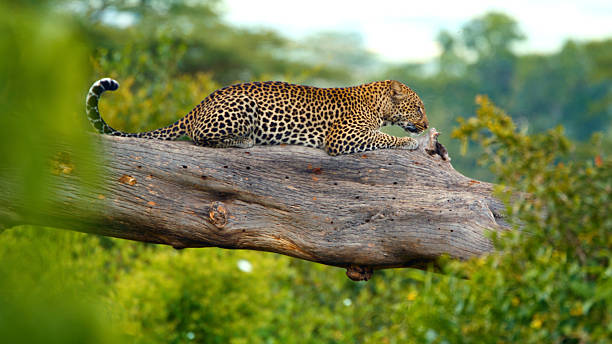
Leopards are more elusive but still present, often sheltering in the crater’s wooded areas or escarpments. They are most active at dawn and dusk, providing thrilling opportunities for patient wildlife observers.
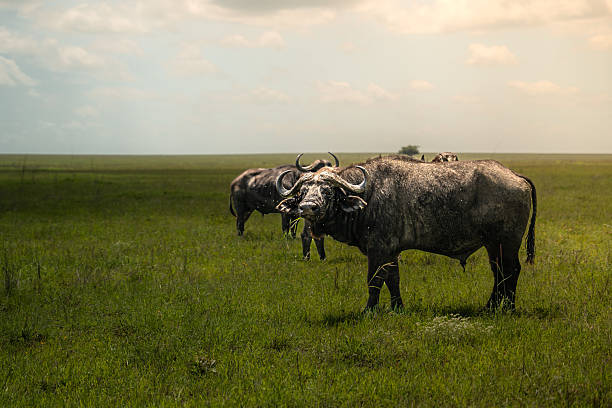
African buffalo thrive in the crater, forming large, protective herds that graze on the fertile grasslands. Their presence attracts predators like lions and hyenas, creating dynamic wildlife interactions.
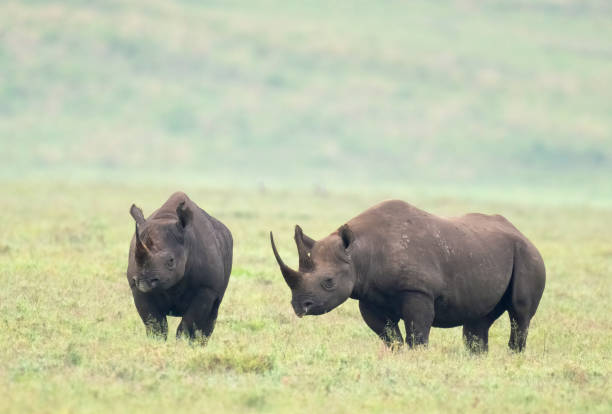
Ngorongoro is one of the few places in Tanzania where critically endangered black rhinos are protected within the crater. These rare animals are often spotted in forested areas and are a major draw for conservation-minded tourists.
.
Beyond the Big Five, the crater supports an incredible diversity of species:
Zebras – Grazing across open plains in mixed herds with wildebeest
Wildebeest – Moving in groups and forming important prey for predators
Hyenas – The crater has one of the highest predator densities in Africa, and spotted hyenas are common scavengers that play a vital ecological role
Hippos – Found in crater lakes and seasonal rivers, often wallowing in water to keep cool
Jackals – Opportunistic carnivores that forage throughout the crater floor
The Ngorongoro Crater’s predator-to-prey ratio is among the highest in Africa, creating a thrilling safari environment. Lions, leopards, hyenas, and jackals coexist with large herbivores, resulting in visible predator-prey interactions on nearly every game drive.
This combination of abundant herbivores, concentrated predators, and enclosed terrain makes the crater one of the most reliable and exciting places to experience authentic African wildlife in a single location.
.

One of the unique aspects of the Ngorongoro Conservation Area is that it is not just a wildlife haven—it is also home to the indigenous Maasai people, who have lived in harmony with the land and its animals for centuries. Unlike most protected areas in Africa where human settlement is restricted, Ngorongoro allows the Maasai to practice their traditional lifestyle within the conservation area, creating a rare blend of cultural and ecological preservation.
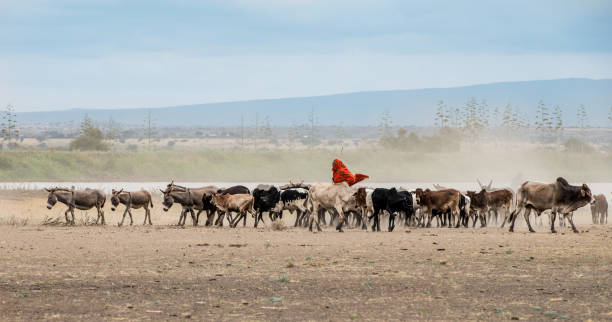
The Maasai maintain a semi-nomadic lifestyle, moving seasonally with their herds to find fresh grazing land. Their homes, called enkangs or bomas, are small enclosures made of mud, sticks, and cow dung, arranged in circular formations that provide protection for people and livestock.
Daily life revolves around family, community, and livestock management. Women are typically responsible for milking cows, caring for children, and maintaining the homestead, while men handle cattle herding and protection. The Maasai retain many cultural rituals, dances, and ceremonies that are integral to their identity.

Cattle are the centerpiece of Maasai life, serving as a source of food, wealth, and social status. Herds graze freely across the conservation area, and their movements are carefully managed to avoid conflicts with wildlife and to ensure sustainable use of natural resources.
The Maasai practice traditional grazing techniques that minimize environmental impact. Cattle provide milk, meat, and hides, and are often used as bride wealth or bartered for goods. This symbiotic relationship with the land and wildlife allows the Maasai to coexist with predators and other herbivores in the crater.

Ngorongoro offers cultural tourism opportunities, allowing visitors to learn directly from the Maasai people. Tourists can:
Visit Maasai villages and see daily life up close
Observe traditional ceremonies, dances, and crafts
Purchase handmade beadwork, jewelry, and other artisanal items
These interactions provide travelers with insight into a unique way of life that has persisted for centuries, while also supporting local communities economically and socially.
The Maasai culture in Ngorongoro demonstrates how humans and wildlife can coexist. Their traditional grazing practices, respect for predators, and deep understanding of the land help maintain the ecological balance within the conservation area.
Visitors to Ngorongoro not only experience world-class wildlife viewing but also gain a profound appreciation of one of Africa’s most enduring cultures, making the region both ecologically and culturally rich.
Ngorongoro Conservation Area is a year-round safari destination, offering spectacular wildlife experiences and breathtaking scenery regardless of the season. However, understanding the Dry Season and Green Season helps visitors plan their trip to match their safari priorities, whether that’s seeing large concentrations of wildlife, enjoying lush landscapes, or birdwatching.
The Dry Season in Ngorongoro lasts from June to October. During this period:
Rainfall is minimal, and water sources become concentrated in rivers, crater lakes, and swamps.
Animals such as elephants, lions, buffalo, and wildebeest gather near these water points, making wildlife viewing particularly reliable and rewarding.
Temperatures are cooler, creating comfortable conditions for game drives.
Advantages of the Dry Season:
Easy to spot the Big Five and other wildlife
Ideal for photography with clear skies and good lighting
Reduced risk of muddy roads, making crater exploration easier
The Green Season, from November to May, brings rainfall that transforms the crater and surrounding landscapes into a lush, vibrant paradise.
The fertile crater floor and surrounding highlands become covered with green vegetation, providing spectacular scenery.
Although animals are more dispersed due to abundant water, this is the best time for birdwatching, including flamingos at Lake Magadi.
Wildlife photography is also rewarding thanks to the contrasting greenery, crater lakes, and reflective water surfaces.
Advantages of the Green Season:
Beautiful, vibrant landscapes for scenic photography
Excellent birdwatching opportunities
Fewer tourists, allowing for a quieter and more intimate safari experience
| Season | Months | Highlights |
|---|---|---|
| Dry Season | June – October | Best wildlife viewing, animals concentrate near water points |
| Green Season | November – May | Lush scenery, great birdwatching, quieter safari |
Even outside the peak dry season, Ngorongoro remains accessible and wildlife-rich, making it suitable for safaris at any time of year. Whether you’re visiting for predator sightings, birdwatching, or stunning landscapes, the crater offers unparalleled safari experiences in all seasons.
Kilimanjaro Safaris Champions is one of Tanzania’s leading tour and safari company, dedicated to delivering exceptional travel experiences