
Mount Kilimanjaro has a unique and constantly changing climate due to its great height and location near the equator. Unlike many mountains, Kilimanjaro does not have traditional summer or winter seasons but instead experiences dry and wet seasons, with weather conditions varying significantly depending on altitude. Understanding Kilimanjaro’s weather is essential for proper planning, safety, comfort, and summit success.
| Climate Zone | Elevation (Meters) | Elevation (Feet) | Key Features |
|---|---|---|---|
| Cultivation Zone | 800 – 1,800 m | 2,600 – 6,000 ft | This lower zone is home to local farms and villages where crops such as bananas, coffee, and maize are grown. The climate is warm and fertile, offering a glimpse into the daily life and culture of communities living around Mount Kilimanjaro. |
| Rainforest Zone | 1,800 – 2,800 m | 6,000 – 9,200 ft | A lush tropical forest filled with dense vegetation, giant trees, mosses, and colorful flowers. This zone receives heavy rainfall and is rich in wildlife, including blue monkeys, colobus monkeys, and many bird species. Trails are often humid and muddy. |
| Heather & Moorland Zone | 2,800 – 4,000 m | 9,200 – 13,100 ft | Characterized by cooler temperatures, open landscapes, and unique plants such as giant lobelias and senecios. The scenery becomes more dramatic with rolling hills, volcanic rocks, and stunning panoramic views above the clouds. |
| Alpine Desert Zone | 4,000 – 5,000 m | 13,100 – 16,400 ft | This dry and harsh environment experiences strong sunlight during the day and freezing temperatures at night. Vegetation is limited due to low rainfall and thin air. Trekkers begin to feel the effects of high altitude in this zone. |
| Arctic Summit Zone | 5,000 – 5,895 m | 16,400 – 19,341 ft | The summit zone is covered by glaciers, ice fields, and rocky terrain. Oxygen levels are significantly lower, temperatures are extremely cold, and conditions can be windy and challenging. This is where Uhuru Peak, the highest point in Africa, is located. |
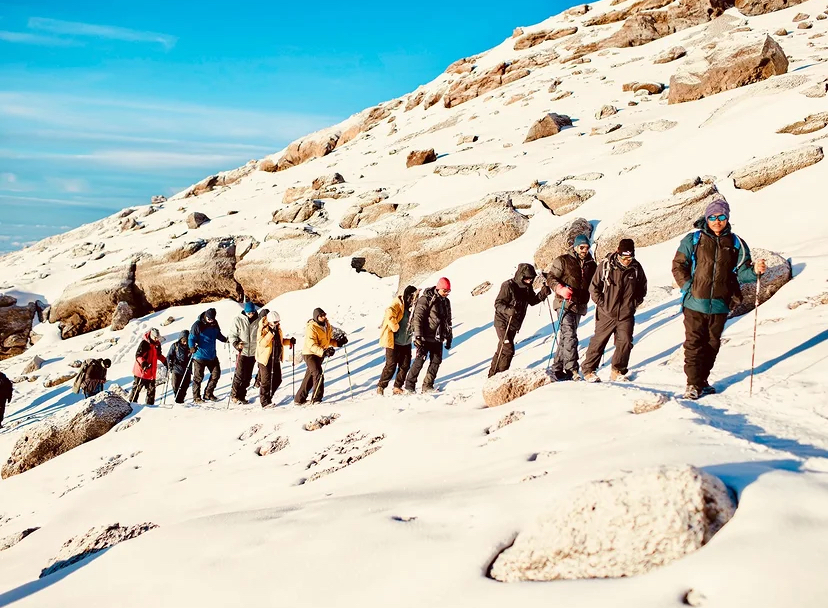
The best weather conditions for climbing Mount Kilimanjaro are during the dry seasons, which offer clearer skies, lower rainfall, and better trail conditions. The most popular and recommended periods are January to March and June to October.
These months provide the highest chances of a safe and successful summit, especially for first-time climbers.
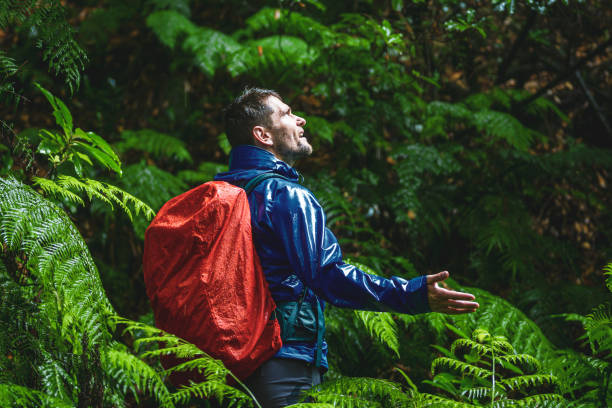
Mount Kilimanjaro experiences two rainy seasons. The long rains occur from March to May, bringing heavy rainfall, muddy trails, and reduced visibility, particularly in the rainforest zone. The short rains fall between November and early December, usually lighter and less disruptive.
Although trekking during rainy seasons is possible, it requires good preparation, waterproof gear, and experienced guides. Some routes handle rain better than others, making route choice especially important during these months.
Temperatures on Mount Kilimanjaro can change dramatically within a single day. Hikers may experience warm sunshine in the lower zones and freezing conditions near the summit on the same day. Night temperatures at higher camps often fall below zero, while summit night can be extremely cold, sometimes reaching –10°C to –20°C depending on weather conditions.
Because of these rapid changes, proper layering and weather-appropriate gear are critical for comfort and safety.

Wind strength increases with altitude and is strongest near the summit. Strong winds can significantly affect perceived temperatures, making conditions feel much colder than the actual reading. Cloud cover is common in the afternoon, while early mornings often offer the clearest views—this is why summit attempts start before dawn.
Clear weather rewards climbers with breathtaking views of glaciers, crater walls, and the vast plains of Tanzania stretching far below
Understanding Mount Kilimanjaro’s weather helps climbers choose the right season, pack appropriate gear, and mentally prepare for changing conditions. While weather can never be fully predicted, experienced guides closely monitor conditions and adjust plans when necessary to ensure safety and maximize summit success.
At Kilimanjaro Safaris Champions, we carefully plan every Kilimanjaro climb based on seasonal weather patterns, route suitability, and client comfort. Our expert guides ensure that climbers are well-prepared for all weather conditions, giving them the best possible chance to enjoy the adventure and reach the summit safely.
Kilimanjaro Safaris Champions is one of Tanzania’s leading tour and safari company, dedicated to delivering exceptional travel experiences