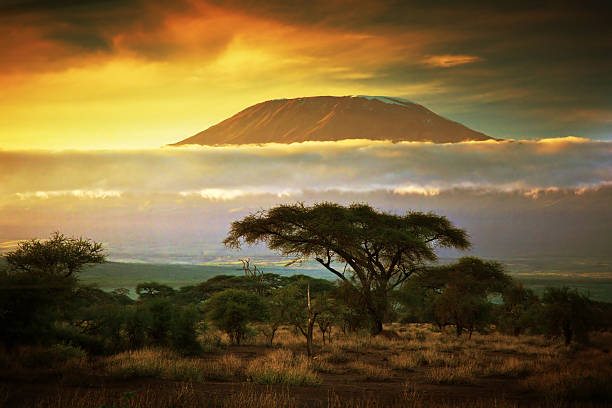
Mount Kilimanjaro is not only the highest mountain in Africa but also one of the most iconic natural landmarks in the world. Rising majestically to an elevation of 5,895 meters (19,341 feet) above sea level, this free-standing volcanic mountain dominates the northern Tanzanian landscape and attracts adventurers, nature lovers, photographers, researchers, and cultural explorers from every corner of the globe. Located near the town of Moshi, close to the Kenya–Tanzania border, Mount Kilimanjaro is a UNESCO World Heritage Site and a symbol of both Tanzania’s natural beauty and Africa’s enduring spirit. Unlike many of the world’s tallest mountains, Kilimanjaro does not require technical mountaineering skills to reach its summit, which makes it uniquely accessible while still offering a life-changing and challenging experience.
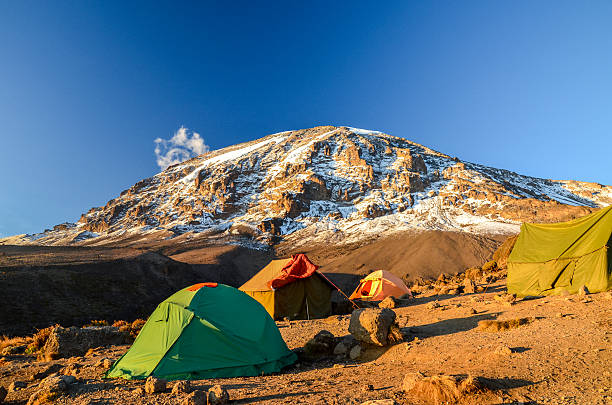
Mount Kilimanjaro is a massive stratovolcano composed of three distinct volcanic cones: Kibo, Mawenzi, and Shira. Kibo is the youngest and tallest cone and is home to Uhuru Peak, the highest point in Africa. Mawenzi, the second-highest peak, is rugged and jagged, making it suitable mainly for experienced climbers and technical expeditions. Shira, the oldest cone, has largely collapsed over time, forming the Shira Plateau, a high-altitude moorland area rich in unique flora and dramatic scenery. Kilimanjaro was formed approximately one million years ago through volcanic activity associated with the East African Rift System. Although Kibo is considered dormant, it is not extinct, and fumaroles can still be found near the crater, reminding visitors of the mountain’s powerful geological past.

One of the most fascinating aspects of Mount Kilimanjaro is its extraordinary range of ecological zones, which climbers and visitors pass through as they ascend the mountain. This vertical diversity is comparable to traveling from the equator to the Arctic in just a few days. At the base of the mountain lies the cultivated zone, where local communities farm coffee, bananas, maize, and beans on fertile volcanic soil. Above this is the montane rainforest, a lush and vibrant ecosystem characterized by towering trees, moss-covered trunks, and abundant wildlife such as blue monkeys, black-and-white colobus monkeys, and a variety of bird species.
As altitude increases, the forest gives way to the heath and moorland zone, where giant heathers, lobelias, and senecios dominate the landscape. This zone feels otherworldly, with open views and dramatic skies. Higher still is the alpine desert zone, a stark and arid environment with extreme temperature variations, intense sunlight, and minimal vegetation. Finally, the summit zone is an arctic environment of ice, snow, glaciers, and rocky terrain, despite being located just a few degrees south of the equator. This remarkable ecological transition is one of the main reasons Mount Kilimanjaro is considered a natural wonder.

Mount Kilimanjaro holds deep cultural and spiritual importance for the local Chagga people, who have lived on its fertile slopes for centuries. Traditionally, the mountain is regarded as a sacred place, often associated with God, ancestral spirits, and natural power. The Chagga developed sophisticated irrigation systems using mountain streams, enabling intensive agriculture long before modern infrastructure existed. Today, their culture, traditions, cuisine, and hospitality form an integral part of the Kilimanjaro experience. Visitors often engage in cultural tours, coffee-making experiences, and village visits, gaining insight into how the mountain shapes daily life, beliefs, and livelihoods.
Beyond the Chagga, Kilimanjaro is a national symbol for Tanzania, appearing in literature, art, tourism branding, and even the country’s identity on the global stage. It represents strength, endurance, and unity, making it far more than just a mountain.
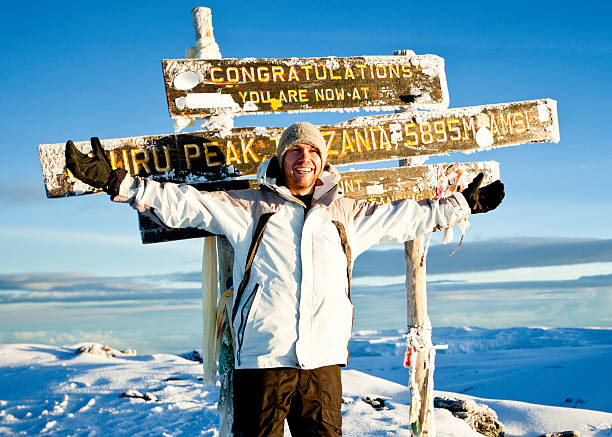
Mount Kilimanjaro offers several established trekking routes, each providing a unique experience in terms of scenery, difficulty, acclimatization profile, and overall success rate. Popular routes include Marangu, Machame, Lemosho, Rongai, Northern Circuit, and Umbwe. Marangu, often called the “Coca-Cola Route,” is the only route offering hut accommodation and is considered more straightforward, though not necessarily easier. Machame and Lemosho are known for their scenic beauty and higher success rates due to better acclimatization profiles. Rongai approaches the mountain from the north and is quieter, while Umbwe is steep and demanding, recommended only for experienced trekkers. The Northern Circuit is the longest route and offers exceptional acclimatization and panoramic views.
Climbing Kilimanjaro typically takes between five and nine days, depending on the chosen route. Although technical climbing skills are not required, the challenge lies in altitude, physical endurance, and mental resilience. Proper acclimatization, professional guides, and adequate preparation are essential for a safe and successful ascent.

Mount Kilimanjaro’s weather varies significantly by altitude and season. At lower elevations, conditions are generally warm and humid, while temperatures near the summit can drop well below freezing, especially at night. The mountain experiences two main rainy seasons: the long rains from March to May and the short rains in November. The best times to climb are typically during the dry seasons, from January to early March and from June to October, when weather conditions are more stable and visibility is clearer. However, Kilimanjaro can be climbed year-round, and each season offers a slightly different experience.

As a protected area and UNESCO World Heritage Site, Mount Kilimanjaro is subject to ongoing conservation efforts aimed at preserving its fragile ecosystems. Climate change has had a visible impact on the mountain’s glaciers, which have been retreating rapidly over the past century. Deforestation, population pressure, and tourism also pose challenges, making responsible travel and sustainable tourism practices increasingly important. Visitors are encouraged to follow Leave No Trace principles, support local communities, and choose operators committed to environmental protection.

Mount Kilimanjaro is more than a physical landmark; it is a journey through nature, culture, and personal achievement. Whether viewed from afar, explored through cultural experiences on its slopes, or conquered through a full summit climb, the mountain offers something profound for every visitor. Its accessibility, combined with its dramatic landscapes and deep cultural roots, makes it one of the most sought-after destinations in Africa and the world. For many, standing beneath its snow-capped peak or gazing across the plains at sunrise is a moment that defines a lifetime, reinforcing Mount Kilimanjaro’s status as a true global icon.
Kilimanjaro Safaris Champions is one of Tanzania’s leading tour and safari company, dedicated to delivering exceptional travel experiences