
Climbing Mount Kilimanjaro is an incredible adventure, but like any high-altitude expedition, safety preparation is extremely important. While thousands of climbers successfully reach the summit every year, the mountain’s altitude, weather changes, and physical demands can sometimes create situations where emergency evacuation becomes necessary.
One of the most important modern safety systems on Kilimanjaro is the helicopter rescue service, which provides rapid evacuation for climbers who become seriously ill, injured, or unable to descend safely on foot. Helicopter evacuation dramatically improves the chances of receiving urgent medical care quickly, especially from higher camps where descent can take many hours.

Mount Kilimanjaro rises to 5,895 meters (19,341 feet) above sea level, making it the highest mountain in Africa. At this altitude, climbers may experience serious conditions such as altitude sickness, dehydration, hypothermia, or physical injuries caused by slips, exhaustion, or harsh weather.
In the past, evacuation relied mainly on stretcher teams and porters, which could take many hours or even days to bring a patient down the mountain. This slow process was difficult and sometimes dangerous for both the injured climber and the rescue team.
Today, helicopter rescue provides a faster and safer alternative, allowing climbers to be transported from high altitude to medical facilities within minutes rather than hours.
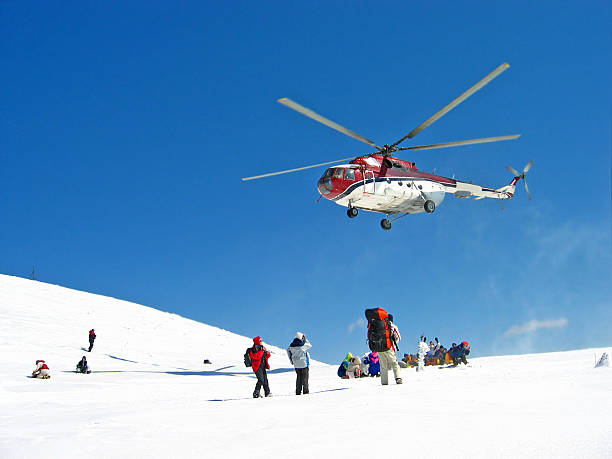
Helicopter evacuation is typically used in serious or life-threatening situations where immediate descent is necessary. These situations may include:
Severe Altitude Sickness (AMS)
High Altitude Pulmonary Edema (HAPE)
High Altitude Cerebral Edema (HACE)
Serious injuries such as fractures or head trauma
Extreme exhaustion or inability to walk
Severe hypothermia or medical emergencies
Guides on Kilimanjaro are trained to monitor climbers carefully throughout the trek. If a climber’s condition becomes dangerous, the guides will immediately initiate evacuation procedures.
When a serious emergency occurs on Mount Kilimanjaro, the rescue process follows several coordinated steps.
1. Emergency Assessment
Professional mountain guides assess the climber’s condition and determine whether helicopter evacuation is required.
2. Contacting the Rescue Team
The guides contact the emergency rescue service via radio or satellite phone. The helicopter team receives the coordinates of the climber’s location.
3. Preparing a Landing Zone
Guides and porters prepare a safe landing area if possible. In some cases, the helicopter may perform a hover rescue where the patient is lifted without fully landing.
4. Medical Stabilization
Rescue personnel secure the injured climber onto a stretcher and provide immediate medical assistance.
5. Air Evacuation
The helicopter transports the patient to the nearest medical facility, usually in Moshi or Arusha, where advanced treatment is available.
This entire process can sometimes be completed in less than one hour, depending on weather conditions and location on the mountain.
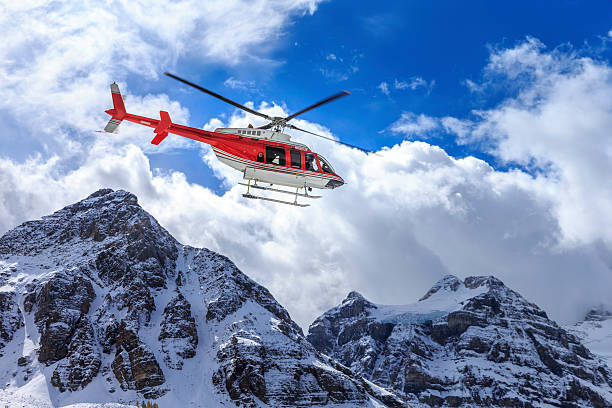

Helicopter rescues on Kilimanjaro can operate at extremely high altitudes. Specialized high-performance helicopters are capable of landing or hovering at elevations of up to around 6,000 meters, which covers nearly all major camps on the mountain.
Common evacuation zones include:
Barafu Camp
Kibo Hut
Stella Point
School Hut
High Camps on the Northern Circuit
However, strong winds, storms, or poor visibility may sometimes delay helicopter operations.
Helicopter rescue operations on Mount Kilimanjaro are very expensive, often costing $5,000 – $10,000 or more depending on altitude and distance.
For this reason, climbers are strongly advised to have high-altitude travel insurance that specifically covers:
Mountain trekking above 6,000 meters
Helicopter evacuation
Emergency medical treatment
Many professional climbing companies require proof of insurance before allowing climbers to begin their expedition.
Reputable tour operators, including Kilimanjaro Safaris Champions, prioritize climber safety by working closely with professional rescue services. Guides are trained in:
High-altitude first aid
Emergency response procedures
Communication with rescue teams
Monitoring oxygen levels and health conditions
Many expeditions also carry portable oxygen, pulse oximeters, and emergency medical kits to stabilize climbers while waiting for evacuation if necessary.

Although helicopter rescue provides a vital safety net, the best approach is always prevention. Climbers can significantly reduce risks by:
Choosing longer itineraries for better acclimatization
Drinking plenty of water
Climbing slowly (“pole pole”)
Following the guide’s instructions carefully
Reporting any symptoms immediately
With proper preparation, professional guidance, and safety support systems like helicopter rescue, climbing Mount Kilimanjaro remains a safe and achievable adventure for thousands of climbers every year.