Introduction to Gombe Stream National Park

Gombe Stream National Park is one of Tanzania’s most unique and scientifically important national parks. Located in western Tanzania, the park lies along the eastern shores of Lake Tanganyika, one of the deepest and oldest freshwater lakes in the world. It is situated near the town of Kigoma, which serves as the main gateway for visitors traveling to the park.

Although relatively small compared to other Tanzanian parks, covering approximately 52 km², Gombe is globally famous for its dense tropical forests, diverse wildlife, and groundbreaking scientific research on chimpanzees. The park’s unique environment and history make it one of the most fascinating destinations for travelers interested in wildlife, primates, and conservation science.
📍 Location ya Gombe National Park

Gombe Stream National Park iko magharibi mwa Tanzania, kando ya Lake Tanganyika karibu na mji wa Kigoma. Park hii ni ndogo sana ikilinganishwa na parks nyingine Tanzania, ikiwa na ukubwa wa takribani 52 km², lakini ni maarufu duniani kwa chimpanzee research na forest ecosystem yake.

.

🌿 Forest Ecosystem

Unlike the savannah landscapes found in many Tanzanian parks, Gombe features a lush tropical forest ecosystem that stretches from the mountains down to the shores of Lake Tanganyika. The park is characterized by:

  • Dense evergreen forests covering steep valleys and ridges

  • Mountain slopes and forested hills that provide habitat for primates

  • Streams and small rivers flowing into Lake Tanganyika

  • Lake shoreline habitats supporting aquatic and bird species

This combination of forest, hills, and lake environments creates a rich and complex ecosystem that supports a wide range of wildlife species.

🐒 Wildlife Diversity

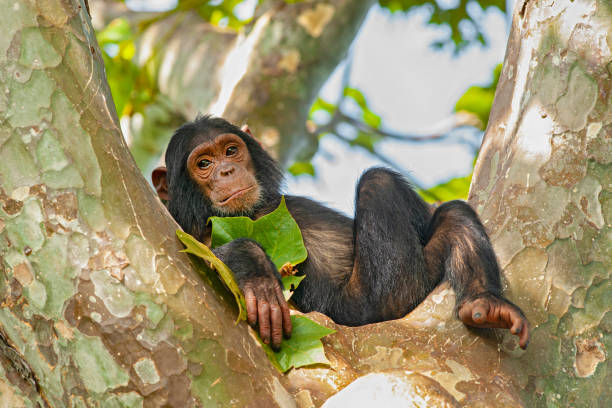
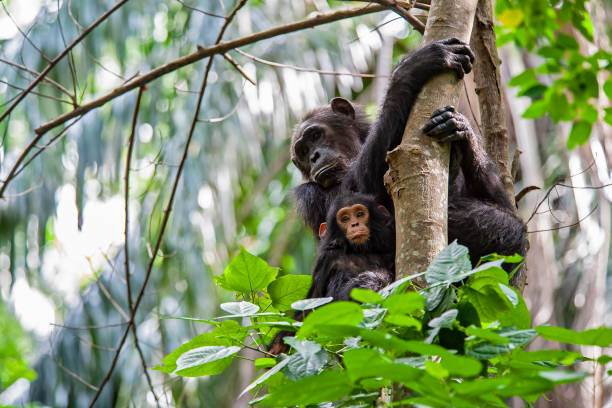
Gombe is best known for its primates, especially chimpanzees. The park is home to several species of monkeys and forest animals, including:

  • Chimpanzees, the park’s most famous residents

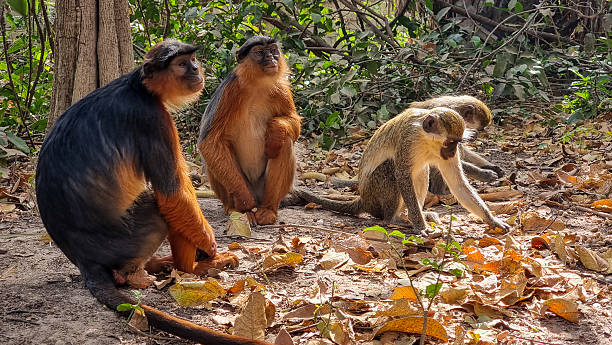
  • Red colobus monkeys and blue monkeys

  • Olive baboons

  • Various small mammals and forest species

In addition to mammals, the park hosts over 200 bird species, making it an excellent destination for birdwatching. The surrounding waters of Lake Tanganyika also contain a rich diversity of fish and aquatic life.

🔬 History of Scientific Research

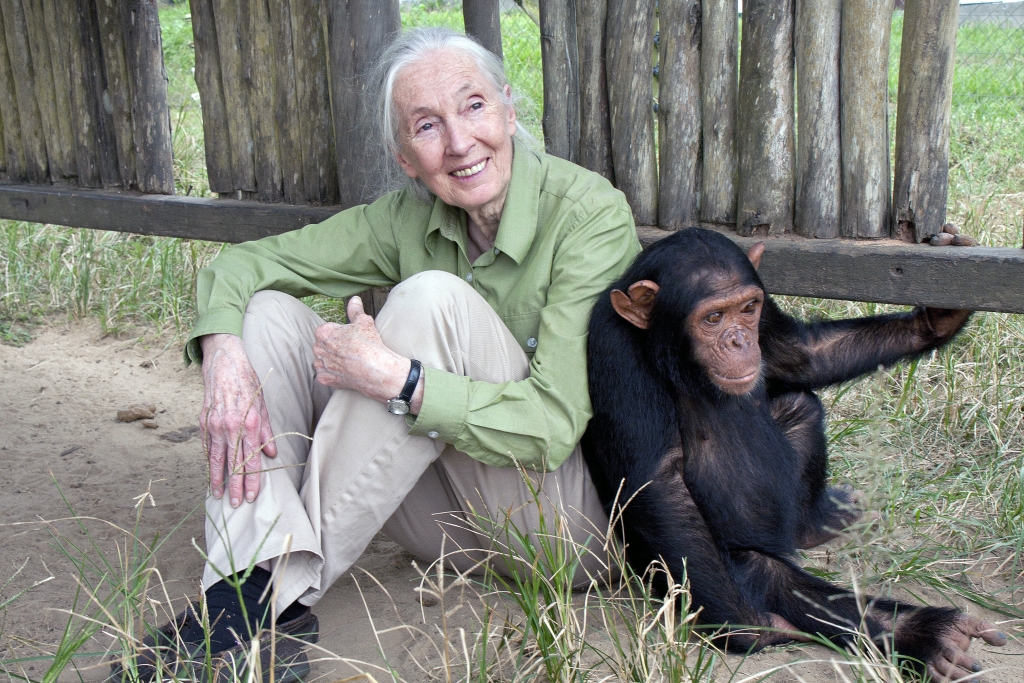
Gombe gained worldwide recognition through the pioneering research of Jane Goodall, who began studying chimpanzees in the park in 1960. Her work revolutionized our understanding of primates by demonstrating that chimpanzees:

  • Use tools

  • Display complex social behaviors

  • Show emotional and cognitive traits similar to humans

This groundbreaking research made Gombe one of the most important primate research sites in the world. Today, long-term studies continue in the park, contributing to global knowledge about chimpanzee behavior, conservation, and primate ecology.

Jane Goodall Research History in Gombe Stream National Park

Jane Goodall is one of the most influential primatologists and conservationists in history, and her work at Gombe Stream National Park has had a profound impact on our understanding of chimpanzees and animal behavior worldwide.

🌿 Beginning of Research

In 1960, Jane Goodall arrived at Gombe to begin her groundbreaking study of wild chimpanzees. Unlike previous research, which often relied on observing captive animals, she immersed herself in the forest environment, spending long hours observing chimpanzees in their natural habitat.

Her approach emphasized patience, careful observation, and detailed record-keeping, allowing her to witness behaviors that had never been documented before. This hands-on, immersive method revolutionized field research in primatology.

🐒 Major Discoveries

One of Goodall’s most significant contributions was the discovery that chimpanzees use tools, such as twigs to extract termites from mounds and leaves as sponges to drink water. This finding shattered the long-held belief that tool use was unique to humans, fundamentally changing the scientific perspective on animal intelligence.

Other key discoveries include:

  • Complex social structures: She documented relationships, alliances, and even conflicts within chimpanzee communities.

  • Emotional behaviors: She observed compassion, empathy, play, and mourning among chimpanzees, showing that they experience emotions similarly to humans.

  • Hunting and diet behaviors: She discovered that chimpanzees actively hunt smaller animals, challenging previous assumptions about their diets.

These insights provided critical evidence that animals have cognitive and emotional capacities previously thought to be uniquely human.


🔬 Impact on Science and Conservation

Jane Goodall’s work at Gombe has transformed primatology and conservation science:

  • It shifted the scientific view of chimpanzees from simple, instinct-driven creatures to intelligent, socially complex beings.

  • Inspired long-term research programs at Gombe and other primate habitats worldwide.

  • Highlighted the importance of protecting chimpanzees and their forest environments, leading to global conservation initiatives.

Her research continues to influence not only science but also education, conservation policy, and global awareness about wildlife preservation.

🌍 Legacy

Today, Gombe Stream National Park is recognized worldwide as a symbol of primate research and conservation, and Jane Goodall’s pioneering work remains a cornerstone of modern wildlife studies. Tourists visiting Gombe have the unique opportunity to walk in the footsteps of this legendary researcher while observing chimpanzees in their natural habitat.

Chimpanzee Trekking in Gombe Stream National Park

One of the most iconic activities in Gombe Stream National Park is chimpanzee trekking, a truly unique experience that allows visitors to observe wild chimpanzees in their natural forest habitat. This activity is not only a thrilling safari adventure but also an educational journey into the lives of one of our closest living relatives.

🌿 Trekking Inside the Forest

Chimpanzee trekking involves guided hikes through the dense tropical forests of Gombe. Trails wind along steep valleys, forested hills, and stream corridors, offering both challenging and scenic trekking experiences.

  • Visitors are accompanied by experienced park guides who know the habits and territories of the chimpanzees.

  • The forest environment is rich with biodiversity, so trekkers may also encounter monkeys, baboons, and an incredible variety of birds along the way.

  • The terrain varies from rocky paths and steep slopes to river crossings, making it a physically engaging activity that rewards effort with up-close wildlife encounters.

.

🐒 Observing Chimpanzees in the Wild

The main goal of the trek is to spot chimpanzees in their natural behavior. Once a troop is located, visitors have the chance to:

  • Watch chimpanzees forage for food, climb trees, and interact socially

  • Observe playful juveniles and complex group dynamics within the troop

  • Witness grooming behaviors, vocal communication, and territorial displays

The experience is unpredictable, as chimpanzees move freely through the forest, making each trek unique. Guides help maintain a safe distance while ensuring that visitors have optimal viewing opportunities.

🔬 Learning About Their Behavior

Beyond just viewing, chimpanzee trekking offers a deeply educational experience:

  • Guides explain social structures, mating behaviors, and communication methods

  • Visitors learn about the importance of conservation and the challenges facing chimpanzee populations

  • Trekkers gain insight into Jane Goodall’s research findings and ongoing studies in the park

This combination of adventure, observation, and education makes chimpanzee trekking at Gombe a must-do activity for wildlife enthusiasts, researchers, and conservation-minded travelers

🌍 Tips for Chimpanzee Trekking

  • Trekking is usually limited to small groups to minimize disturbance to the animals.

  • Wear sturdy walking shoes, long trousers, and carry water for comfort in the forest.

  • Bring binoculars and a camera for a closer look at chimpanzees and other wildlife.

  • Respect park rules by keeping distance and avoiding loud noises, ensuring both visitor safety and chimpanzee welfare.

Wildlife in Gombe Stream National Park

While chimpanzees are the main attraction of Gombe Stream National Park, the park is also home to a diverse array of other wildlife, particularly forest-dwelling mammals and birds. The dense tropical forest and lake-edge habitats support species that are rarely seen in Tanzania’s savannah parks, making Gombe a unique destination for nature enthusiasts.

🐒 Red Colobus Monkeys

The red colobus monkey is one of Gombe’s most iconic primates. These striking monkeys have reddish-brown fur, black faces, and long tails, and they move gracefully through the forest canopy.

  • Red colobus monkeys are arboreal, spending most of their time in the treetops.

  • They feed mainly on leaves, flowers, and fruits, and often live in large social groups.

  • Observing them provides insight into forest ecosystem dynamics, as they play a key role in seed dispersal and maintaining forest healt

🐒 Olive Baboons

Olive baboons are another prominent primate species in Gombe. Unlike the shy red colobus monkeys, baboons are highly social and more visible on forest trails and near open areas.

  • Baboons live in large troops and exhibit complex behaviors, including hierarchical structures and cooperative care of young.

  • They are omnivorous, feeding on fruits, seeds, insects, and occasionally small animals.

  • Visitors may see playful interactions, grooming, and vocal communications, providing engaging wildlife observation opportunities.

🐒 Blue Monkeys

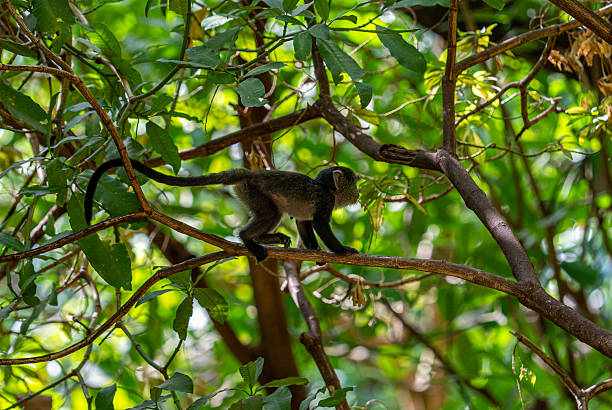
The blue monkey is a smaller forest primate found in Gombe. They have blue-gray fur and expressive faces, often seen leaping gracefully between branches.

  • Blue monkeys are highly agile and feed primarily on fruit, leaves, and flowers.

  • They are important for forest regeneration, dispersing seeds as they move through the canopy.

  • Their shy and alert behavior makes spotting them a rewarding experience for trekkers.

🐦 Forest Birds

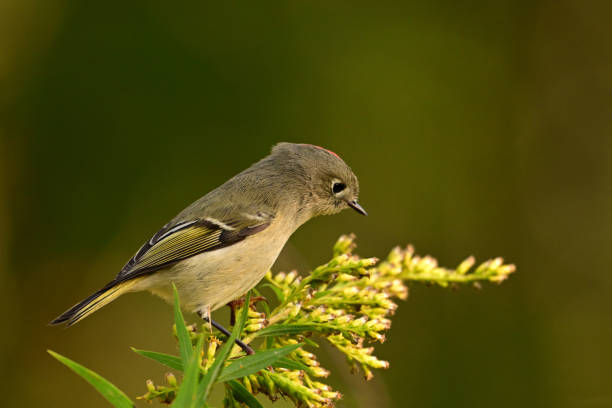
Gombe Stream National Park is a birdwatcher’s paradise, with over 200 bird species recorded. The park’s diverse habitats—forest, streams, and lake shoreline—support a wide variety of birds, including:

  • Hornbills, turacos, and sunbirds in the forest canopy

  • Kingfishers and herons near streams and Lake Tanganyika

  • Migratory species visiting seasonally for feeding and breeding

Birdwatchers can enjoy vivid plumage, unique calls, and diverse behaviors, making Gombe a must-visit destination for ornithologists and nature photographers.

🌍 A Unique Wildlife Experience

Gombe Stream National Park offers a rare combination of primate diversity and rich forest birdlife. While chimpanzees remain the star attraction, the other mammals and bird species create a complete rainforest wildlife experience, distinguishing Gombe from Tanzania’s other savannah-dominated parks.

Best Time to Visit Gombe Stream National Park

Gombe Stream National Park can be visited year-round, but the experience varies depending on the season. Understanding the dry and wet seasons helps visitors plan their trip for optimal chimpanzee trekking, wildlife observation, and photography opportunities.

☀️ Dry Season (June – October)

The dry season is widely considered the best time for chimpanzee trekking in Gombe:

  • Forest trails are less muddy and easier to navigate, making trekking safer and more comfortable.

  • Water sources may be limited, so chimpanzees tend to concentrate in predictable areas, increasing the chances of successful sightings.

  • The reduced vegetation density allows for better visibility of both chimpanzees and other forest wildlife, including red colobus monkeys, baboons, and blue monkeys.

Advantages of the Dry Season:

  • Easiest trekking conditions

  • Higher likelihood of spotting chimpanzees

  • Clearer forest visibility for photography and wildlife observation

🌿 Wet Season (November – May)

The wet season transforms Gombe into a lush, vibrant rainforest, creating dramatic scenery that enhances wildlife photography:

  • Trails can be slippery and more challenging due to rain, requiring proper hiking gear.

  • The forest is at its greenest, with flowering plants and dense foliage providing perfect conditions for birdwatching and capturing stunning photos.

  • Chimpanzees remain active, and the forest environment is rich with colorful birds, insects, and other wildlife.

Advantages of the Wet Season:

  • Lush and scenic forest landscapes

  • Excellent opportunities for photography

  • Fewer tourists, offering a more private and immersive experience

🌍 Summary

While the dry season (June–October) is ideal for easier trekking and higher chances of seeing chimpanzees, the wet season (November–May) offers lush forest scenery and outstanding photography opportunities. Gombe Stream National Park remains a year-round destination, and each season provides a unique and rewarding experience for wildlife enthusiasts, researchers, and photographers alike.