- 2
- 6
- 1
- 8
Archive
Home Destinations:Ngorongoro National park
Home Destinations:Ngorongoro National park
Ngorongoro Conservation Area is one of Africa’s most extraordinary and iconic wildlife destinations, located in northern Tanzania. Renowned for its breathtaking landscapes, exceptional wildlife density, and rich cultural heritage, Ngorongoro is a UNESCO World Heritage Site and a must-visit destination for travelers seeking an authentic African safari experience.
At the heart of the conservation area lies the world-famous Ngorongoro Crater, the largest intact volcanic caldera on Earth. This natural wonder, combined with diverse ecosystems and the coexistence of wildlife and indigenous Maasai communities, makes Ngorongoro a truly unique destination unlike any other in Africa.
Ngorongoro Conservation Area is situated approximately 180 kilometers west of Arusha and forms part of the greater Serengeti ecosystem. Covering an area of about 8,292 square kilometers, the conservation area stretches from the highlands of the Great Rift Valley to the vast plains that border Serengeti National Park.
The most famous feature is the Ngorongoro Crater itself, which was formed over two million years ago following the collapse of a massive volcano. The crater measures about 19 kilometers in diameter and has walls rising up to 600 meters high, creating a natural enclosure that supports an astonishing concentration of wildlife.
Often referred to as the “Eighth Wonder of the World,” Ngorongoro Crater is the main attraction within the conservation area. The crater floor covers approximately 260 square kilometers and hosts a variety of habitats including grasslands, swamps, forests, and Lake Magadi, a shallow alkaline lake.
What makes the crater exceptional is its permanent water supply and fertile soils, which allow wildlife to remain inside the crater throughout the year. Unlike many other safari destinations, animals rarely migrate out of the crater, making game viewing excellent in all seasons.
Ngorongoro is home to over 25,000 large mammals, offering one of the highest wildlife densities in Africa. Visitors have an excellent chance of spotting the Big Five—lion, elephant, buffalo, leopard, and the critically endangered black rhinoceros—all within a single game drive.
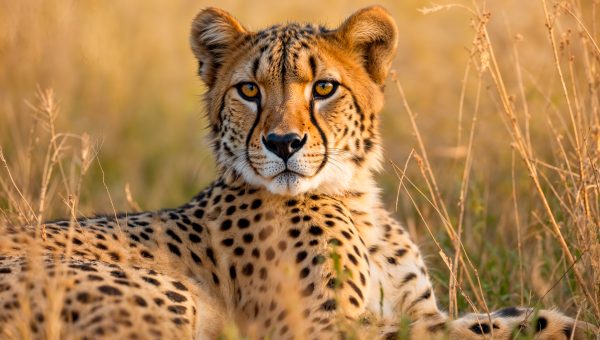
Other commonly seen animals include wildebeest, zebras, gazelles, elands, hippos, warthogs, hyenas, jackals, and cheetahs. The crater is also famous for its strong lion population, often seen resting on the open plains or hunting near the swamps.
Ngorongoro is a paradise for bird lovers, with more than 500 bird species recorded. Flamingos gather seasonally at Lake Magadi, while other bird species include crowned cranes, kori bustards, secretary birds, ostriches, eagles, and vultures.
One of Ngorongoro’s most significant conservation achievements is the protection of the endangered black rhinoceros. Due to strict conservation measures and controlled access, the crater remains one of the best places in Tanzania to see black rhinos in their natural habitat.
Spotting a black rhino in Ngorongoro is a highlight for many safari travelers and adds immense value to any Tanzania safari itinerary.
Unlike national parks where human settlement is prohibited, Ngorongoro Conservation Area is a multiple-use area where wildlife and people coexist. The Maasai people have lived in this region for centuries, maintaining their traditional pastoral lifestyle while sharing the land with wild animals.
Visitors can experience Maasai culture through guided village visits, where they learn about traditional customs, clothing, livestock keeping, housing, music, and dances. This cultural element adds a meaningful human dimension to the safari experience and highlights sustainable conservation practices.
Ngorongoro can be visited throughout the year, with each season offering a unique experience.
Due to its altitude, Ngorongoro is generally cooler than other safari destinations, especially in the early mornings and evenings.
The main activity in Ngorongoro Conservation Area is the game drive inside the crater, usually conducted as a half-day or full-day excursion. Due to conservation regulations, overnight stays are not permitted on the crater floor, but numerous lodges and camps are located along the crater rim and surrounding highlands.
Other activities include:
Ngorongoro offers a wide range of accommodation options to suit different budgets and travel styles. These include luxury lodges perched on the crater rim with panoramic views, mid-range lodges offering comfort and convenience, and tented camps that provide an immersive safari experience.
Staying near the crater rim allows early access to the crater floor, maximizing game viewing opportunities, especially during early morning hours.
Ngorongoro is more than just a safari destination—it is a natural masterpiece that combines wildlife, landscapes, culture, and history in one place. Its unique geological formation, exceptional wildlife density, and cultural significance make it one of the most rewarding destinations in Tanzania and Africa as a whole.
Whether you are a first-time safari traveler or a seasoned wildlife enthusiast, Ngorongoro Conservation Area promises unforgettable experiences, stunning scenery, and memories that will last a lifetime.
A visit to Ngorongoro Conservation Area is often described as the highlight of a Tanzania safari. From descending into the crater at sunrise to witnessing wildlife against dramatic volcanic walls, every moment in Ngorongoro feels extraordinary.
This destination perfectly represents Tanzania’s natural beauty and conservation success, making it an essential stop on any safari itinerary.
5.0 (1 Reviews)
5.0 (1 Reviews)
5.0 (1 Reviews)
5.0 (1 Reviews)
4.0 (1 Reviews)