Climbing Mount Kilimanjaro is one of the most extraordinary trekking adventures in the world. While the mountain offers a single ultimate destination—the iconic Uhuru Peak—there are several official trekking routes that lead climbers to the summit. Each route provides a unique journey, offering different landscapes, levels of difficulty, and overall trekking experiences.
From the lush rainforests at the base of the mountain to the dramatic alpine desert and the breathtaking glacial summit zone, every route reveals a different side of Kilimanjaro’s natural beauty. Some routes are known for their spectacular panoramic views and diverse scenery, while others are valued for their gradual ascent, which helps trekkers acclimatize better to the high altitude.
Selecting the right route is a key part of planning a successful Kilimanjaro expedition. The duration of the trek, the level of difficulty, the number of climbers on the trail, and the acclimatization profile can all influence your experience and your chances of reaching the summit.
Below, you will find an overview of the main Kilimanjaro trekking routes, each carefully designed to provide climbers with a safe, rewarding, and unforgettable journey to the highest point in Africa. Explore the routes below to discover which path best matches your adventure goals and trekking preferences.
Climbing Mount Kilimanjaro is a remarkable adventure, but choosing the right trekking route can make a significant difference in your overall experience and chances of reaching the summit. Each Kilimanjaro route varies in terms of trekking duration, difficulty level, scenery, acclimatization profile, and summit success rate. Some routes are shorter and more direct, while others are longer and provide better opportunities for altitude acclimatization.
To help you make an informed decision, the comparison table below highlights the key differences between the most popular Kilimanjaro trekking routes. By reviewing these factors, you can better understand which route aligns with your fitness level, schedule, and adventure preferences.
Whether you are looking for a scenic route with diverse landscapes, a quieter trail with fewer climbers, or a longer itinerary that increases your chances of successfully reaching the summit, this comparison will help guide you toward the route that best suits your Kilimanjaro climbing goals.
| Route | Days | Difficulty | Success Rate |
|---|---|---|---|
| Machame | 6-7 | Moderate | High |
| Marangu | 5-6 | Moderate | Medium |
| Lemosho | 7-8 | Moderate | Very High |
| Rongai | 6-7 | Moderate | High |
Climbing Mount Kilimanjaro is not just about reaching the summit—it is about choosing the path that will give you the best possible experience and the highest chance of success. While all official routes eventually lead to the same destination, the journey can vary greatly depending on the route you choose. Factors such as altitude adaptation, scenery, trail traffic, and overall success rates can significantly influence your Kilimanjaro trekking experience.
Below are some of the key reasons why selecting the right route is an important part of planning your Kilimanjaro adventure.

One of the biggest challenges when climbing Kilimanjaro is adapting to the high altitude. As climbers ascend above 3,000 meters, the oxygen levels in the air decrease significantly. Routes that allow more time for gradual altitude gain provide better acclimatization, giving your body time to adjust to the thinner air. Choosing a route with a well-planned acclimatization profile can greatly reduce the risk of altitude sickness and improve your chances of reaching the summit safely.

Each Kilimanjaro route offers its own unique landscapes and natural beauty. Some routes pass through dense tropical rainforests, others traverse open moorlands and alpine deserts, while certain trails offer breathtaking views of glaciers and volcanic formations near the summit. If scenery is an important part of your adventure, selecting a route known for its diverse and dramatic landscapes can make your trek even more unforgettable.
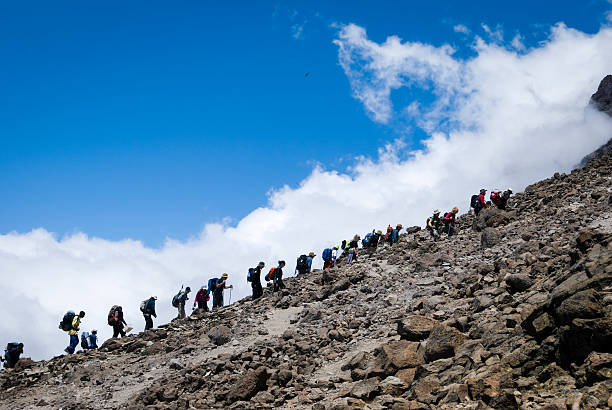
The number of climbers on a route can also affect your trekking experience. Popular routes tend to be more crowded, especially during peak climbing seasons, while other routes provide a quieter and more remote experience with fewer trekkers on the trail. If you prefer a peaceful and less congested journey, choosing a less crowded route can make the adventure feel more personal and immersive.

Not all Kilimanjaro routes have the same success rate. Routes that offer longer itineraries and better acclimatization schedules generally have higher summit success rates because climbers have more time to adapt to the altitude. For many trekkers, reaching Uhuru Peak, the highest point on Kilimanjaro, is the ultimate goal. Selecting a route with a strong success record can significantly increase your chances of standing on the Roof of Africa.
Choosing the right route is therefore one of the most important decisions when planning your Kilimanjaro expedition. By understanding these key factors, climbers can select a route that best matches their fitness level, expectations, and adventure goals, ensuring a safer and more rewarding journey to the summit.
To better understand how each trail approaches the summit, it is helpful to look at a map of Mount Kilimanjaro and its main trekking routes. The routes start from different sides of the mountain and follow unique paths through various landscapes before eventually leading climbers toward the summit at Uhuru Peak.
The map below provides a visual overview of the major Kilimanjaro trekking routes, helping you see how each route navigates the mountain and where they connect as trekkers make their final ascent to the Roof of Africa.
The best time to climb Mount Kilimanjaro depends largely on weather conditions, visibility, and trail accessibility. While the mountain can be climbed throughout the year, certain months offer more stable weather and better trekking conditions. The table below highlights the different climbing seasons, explaining what to expect and which routes are most suitable during each period.
| Months | Season & Conditions | Why It’s a Good Time | Recommended Routes |
|---|---|---|---|
| January – March | Cool temperatures with occasional snow near the summit. Fewer climbers on the mountain. | Excellent visibility, quieter trails, and beautiful snowy summit conditions. | Machame, Lemosho, Rongai |
| April – May | Long rainy season on Kilimanjaro with muddy trails and cloudy conditions. | Not ideal for most climbers, but suitable for experienced trekkers seeking solitude. | Rongai, Northern Circuit |
| June – October | Dry season with stable weather and clear mountain views. | One of the best times to climb with high summit success rates and comfortable trekking conditions. | Machame, Lemosho, Northern Circuit, Marangu |
| November | Short rainy season with occasional showers. | Fewer climbers and quieter trails, though weather can be unpredictable. | Rongai, Marangu |
| December | Beginning of the dry season with festive travel demand. | Good weather conditions and popular holiday climbing season. | Machame, Lemosho, Marangu |

Experienced mountain guides
High summit success rate
Quality camping equipment
Safety and oxygen support
Ethical porter treatment