

Lake Tanganyika is one of the most remarkable lakes in East Africa and the world, known for its immense size, incredible depth, and ancient origins. Stretching along the western border of Tanzania, this lake forms part of the Great Rift Valley system, which has shaped East Africa’s landscapes and ecosystems for millions of years.
Lake Tanganyika is shared by four countries:
Tanzania (eastern shoreline)
Democratic Republic of the Congo (western shoreline)
Burundi (northern tip)
Zambia (southern tip)
Its strategic location makes it an important freshwater resource, supporting local communities, wildlife, and biodiversity across multiple nations.
Length: Approximately 673 km, making it the longest freshwater lake in Africa.
Maximum Depth: Around 1,470 meters, which makes it the second deepest lake in the world, after Lake Baikal in Russia.
Age: Estimated to be around 9–12 million years old, making it one of the oldest lakes on Earth. Its age has allowed the evolution of a unique and highly diverse ecosystem, including species found nowhere else on the planet.
Lake Tanganyika is ecologically and economically important:
It supports fisheries that sustain millions of people, including communities along the Tanzanian and Congolese shores.
The lake is home to hundreds of endemic fish species, many of which are critical for biodiversity and scientific research.
It plays a vital role in regional transportation, trade, and tourism, with activities such as boating, fishing, and lakeside safaris attracting visitors.
Diverse ecosystems: From rocky shorelines and sandy beaches to wetlands and river deltas.
Connection to wildlife habitats: Surrounding forests and national parks, such as Gombe Stream National Park and Mahale Mountains National Park, rely on the lake as a water source and ecological anchor.
Scientific interest: Its ancient waters make it an ideal site for studying evolution, endemic species, and freshwater ecology.
Lake Tanganyika is a deep, oligotrophic freshwater lake, meaning it has nutrient-poor waters with exceptional clarity. This allows for:
Outstanding underwater visibility, which benefits both research and recreational activities like snorkeling and diving
Stable water conditions that support diverse fish populations, many of which are endemic to the lake
Complex aquatic habitats, including rocky shores, sandy bottoms, and deep-water zones, creating niches for various species
The lake is home to hundreds of fish species found nowhere else on Earth, particularly cichlids, which are known for their vibrant colors, unique shapes, and fascinating behaviors. Key points include:
Cichlid diversity: Over 200 endemic cichlid species, many adapted to specific ecological niches such as rocky reefs, sandy areas, or open waters
Behavioral uniqueness: Some cichlids exhibit complex mating rituals, territoriality, and specialized feeding habits
Importance for research: Scientists study these species to understand evolution, speciation, and freshwater ecology

One of the most visually striking features of Lake Tanganyika is the sheer variety of cichlid colors and patterns. These fish are highly sought after by:
Aquarium enthusiasts due to their bright colors and distinctive markings
Wildlife photographers and divers who capture their vivid hues against the lake’s clear waters
Researchers who study their adaptation and speciation in this ancient freshwater environment
Provides a critical habitat for endemic fish and other aquatic species, some of which are key to the lake’s food web
Supports local fisheries, which are crucial for the livelihoods of communities along the shoreline
Acts as a living laboratory for studying evolution, ecology, and conservation biology
Lake Tanganyika is not only a vital freshwater resource but also a biodiversity hotspot supporting a wide range of wildlife both in the water and along its shores. Its combination of ancient waters, clear visibility, and diverse habitats makes it uniquely rich in species.

The lake is home to hundreds of fish species, many of which are endemic and found nowhere else in the world.
Cichlids are the most famous, known for their vibrant colors, specialized feeding habits, and complex behaviors.
Other fish species provide critical sustenance for local communities, forming the backbone of the lake’s fisheries.
The lake’s clear waters allow researchers and divers to observe fish behaviors in natural conditions, making it a living laboratory for evolutionary studies.

Lake Tanganyika supports a diverse avian population, particularly along its shoreline and wetlands:
Waterbirds such as herons, kingfishers, and cormorants hunt and nest along the lake edges
Migratory species visit seasonally, taking advantage of the lake’s rich food resources
Birdwatchers can observe colorful and rare species unique to East Africa

Nile crocodiles patrol the shallow waters and river mouths, acting as apex predators in the lake ecosystem
Hippos inhabit river inlets and calmer sections, contributing to nutrient cycling and the aquatic food web
Both species are integral to maintaining ecological balance and are a draw for wildlife enthusiasts and photographers
Lake Tanganyika is surrounded by some of Tanzania’s most unique and remote national parks, offering visitors unparalleled wildlife and adventure experiences. Its location along the western border of Tanzania makes it a natural gateway to both forest-based and aquatic wildlife activities.
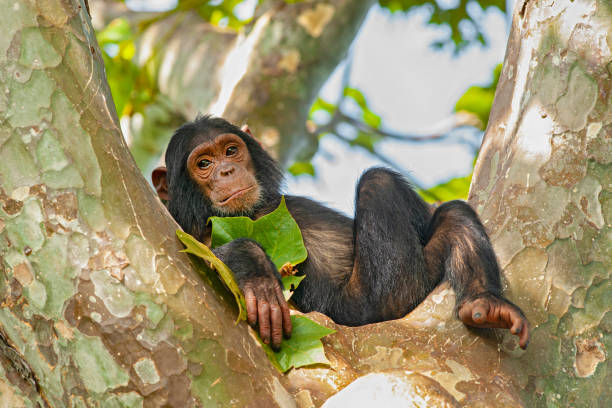
Located on the northeastern shore of Lake Tanganyika near Kigoma, Gombe Stream NP is famous worldwide for chimpanzee research and trekking.
Activities include:
Chimpanzee trekking through dense tropical forests to observe wild chimpanzees
Forest walks and wildlife spotting, including red colobus monkeys, baboons, and various bird species
Gombe is small but rich in biodiversity, making it ideal for visitors seeking intimate encounters with primates in their natural habitat.

Located along the western shore of Lake Tanganyika, Mahale Mountains NP is remote and largely untouched, offering pristine habitats for wildlife.
Activities include:
Chimpanzee trekking in dense, mountainous forests
Hiking and trekking along scenic trails with panoramic views of the lake
Boat safaris to access the park via Lake Tanganyika, offering a unique approach to wildlife viewing
Mahale is renowned for its large chimpanzee population and forest ecosystems, making it one of Tanzania’s most exclusive safari destinations.

Visitors to the Lake and its surrounding parks can enjoy:
Chimpanzee trekking at both Gombe and Mahale Mountains National Parks
Boat safaris along the lake to observe wildlife, aquatic ecosystems, and remote forested shorelines
Hiking and nature walks, especially in Mahale Mountains, providing stunning panoramic views of the lake and its surroundings
Birdwatching and photography, benefiting from the lake’s diverse habitats and clear waters
Lake Tanganyika is more than just a freshwater lake; it is a hub for wildlife exploration, primate research, and adventure tourism. The combination of Gombe Stream NP and Mahale Mountains NP makes it a must-visit destination for wildlife enthusiasts, researchers, and nature photographers, offering a blend of aquatic, forest, and primate experiences unlike anywhere else in Tanzania.
Lake Tanganyika can be visited year-round, but the experience varies depending on the season, especially for chimpanzee trekking, hiking, and boat safaris. Understanding the dry and wet seasons helps visitors plan for optimal wildlife viewing, photography, and adventure activities.
The dry season is widely considered the best time for trekking and wildlife observation in Gombe and Mahale Mountains:
Trails are easier to navigate, with firm ground and less mud, making chimpanzee trekking more comfortable and predictable.
Water levels in streams and rivers are lower, so forest paths are accessible and safe.
Visibility for wildlife viewing and photography is excellent due to reduced vegetation density.
Lake conditions are generally calmer, enhancing boat safari experiences, especially along remote shorelines.
Advantages:
Higher likelihood of spotting chimpanzees and other wildlife
Easier hiking and trekking conditions
Optimal photography conditions
The wet season brings lush, vibrant landscapes, transforming Lake Tanganyika and surrounding forests into a green paradise:
Forests in Gombe and Mahale become denser and more vibrant, ideal for photography and observing forest ecology.
Trails can be muddy and slippery, requiring sturdy shoes and trekking gear.
Rainfall may limit boat safaris on some days, but the lake’s clear waters and abundant birdlife make it ideal for ornithologists and nature photographers.
Wildlife, including chimpanzees, remains active and visible, though tracking may be slightly more challenging than in the dry season.
Advantages:
Lush scenery and vibrant forest colors
Fewer tourists, offering a more private and immersive experience
Excellent birdwatching and photography opportunities
Dry Season (June–October): Best for chimpanzee trekking, hiking, and boat safaris, with easier trails and better visibility.
Wet Season (November–May): Ideal for photography, birdwatching, and experiencing the lush green forests, though trekking is more challenging.
Ultimately, Lake Tanganyika and its surrounding parks offer unique wildlife and adventure experiences year-round, with each season providing distinct advantages for travelers.