Introduction to Mikumi National Park

Mikumi National Park, located in southeastern Tanzania, is one of the country’s most accessible and scenic national parks, making it a popular destination for both local and international tourists. Situated near Morogoro, Mikumi is part of the Southern Safari Circuit, often visited in combination with Selous Game Reserve or Ruaha National Park.

Covering approximately 3,230 km², Mikumi offers a diverse and well-preserved ecosystem that showcases Tanzania’s rich natural heritage in a compact and accessible area.

📍 Where Mikumi National Park Is Located

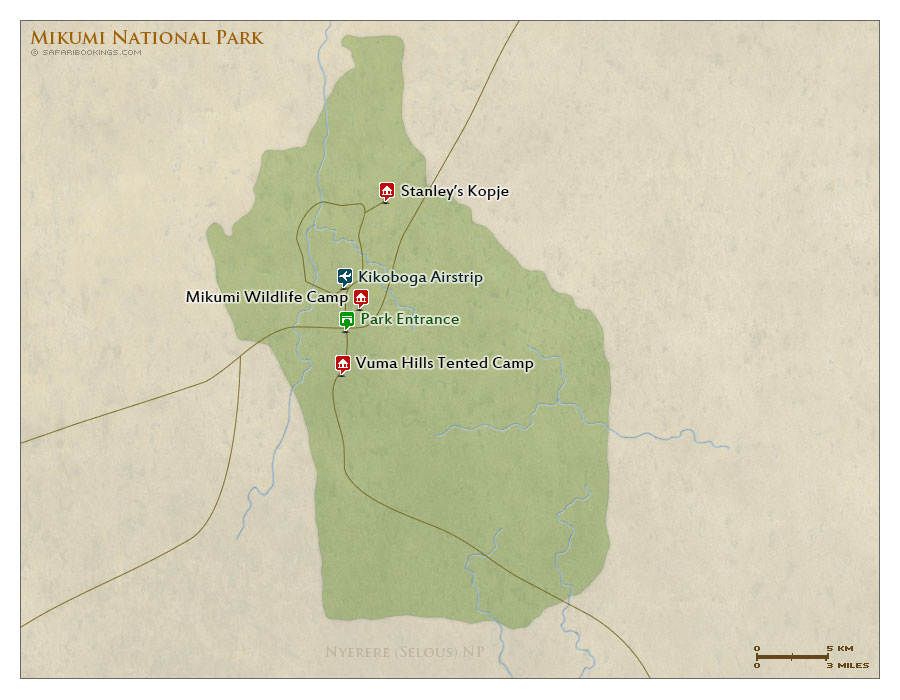
Mikumi National Park is situated in southeastern Tanzania, just southwest of Morogoro town and southwest of the city of Dar es Salaam. The park forms part of Tanzania’s Southern Safari Circuit, often linked with destinations such as Selous Game Reserve (now Nyerere National Park) and Ruaha National Park for extended safari itineraries

🌿 Ecosystem

Mikumi National Park features a variety of habitats, which support a wide range of wildlife:

  • Savannah grasslands – Open plains where large herbivores such as zebras, wildebeest, and elephants graze.

  • Woodlands and thickets – Provide cover for predators like lions, leopards, and hyenas.

  • Riverine forests and seasonal rivers – Vital water sources that sustain hippos, crocodiles, and a rich diversity of birds.

  • Acacia-dotted plains – Iconic East African landscapes that enhance both scenery and wildlife viewing.

This mixture of habitats contributes to Mikumi’s high biodiversity, making it an important refuge for numerous species in southern Tanzania.

🏞️ Landscapes

Mikumi’s landscapes are characterized by:

  • Open savannah plains with scattered acacia trees, perfect for classic safari photography.

  • Rolling hills and kopjes, offering scenic viewpoints and shaded areas for wildlife.

  • Seasonal rivers and wetlands, which attract congregations of animals during the dry season.

The park’s compact size allows visitors to experience a wide variety of landscapes and wildlife in a relatively short time, making it ideal for weekend safaris or short stays.

🐘 Wildlife Diversity

Mikumi supports a rich variety of mammals, birds, and reptiles, including:

  • Large herbivores like elephants, buffalo, giraffes, zebras, and wildebeest

  • Predators such as lions, leopards, cheetahs, and hyenas

  • Numerous bird species, particularly in riverine and wetland areas

  • Smaller mammals like baboons, vervet monkeys, and dik-diks

This diversity makes Mikumi a microcosm of Tanzania’s larger northern parks, offering excellent wildlife viewing in a more intimate and less crowded setting

🌍 Importance for Tourism

Mikumi National Park is particularly important for tourism because:

  • Its proximity to Dar es Salaam and Morogoro makes it highly accessible for domestic and international travelers.

  • The park offers classic African safari experiences—game drives, predator sightings, and birdwatching—in a compact, easy-to-navigate area.

  • It serves as a gateway to the Southern Safari Circuit, linking Selous Game Reserve, Ruaha, and other protected areas.

Mikumi thus provides a balanced combination of accessibility, wildlife diversity, and scenic landscapes, making it an essential destination for travelers exploring southern and eastern Tanzania.

Mkata Floodplain in Mikumi National Park

The Mkata Floodplain is one of the most iconic features of Mikumi National Park. Stretching across the park’s central region, this vast grassland and wetland area plays a crucial role in wildlife ecology, safari experiences, and the park’s scenic beauty.


🐘 Wildlife Gathering

During both the dry and green seasons, the Mkata Floodplain attracts large numbers of animals, making it a prime game-viewing area:

  • Elephants often travel across the plains in herds, feeding on grasses and shrubs.

  • Buffalo, giraffes, zebras, and wildebeest are frequently seen grazing together, creating a classic African safari scene.

  • Predators such as lions, leopards, and hyenas patrol the floodplain, taking advantage of the concentration of herbivores.

  • The floodplain also supports antelopes, baboons, and smaller mammals, making it a hotspot for observing diverse species in one location.

Because of these gatherings, game drives in the Mkata Floodplain are highly rewarding, offering opportunities to witness predator-prey interactions and dynamic wildlife behavior.


🌿 Scenic Value

The Mkata Floodplain is visually stunning, featuring:

  • Endless savannahs dotted with acacia trees, creating the quintessential East African landscape.

  • Seasonal wetlands and small water channels that reflect the sky and attract birds, adding color and life to photography.

  • Rolling terrain and open horizons, providing excellent vantage points for panoramic views and sunrise/sunset safari drives.

This combination of wildlife richness and scenic beauty makes the Mkata Floodplain not only a wildlife hotspot but also a photographer’s paradise.

Wildlife in Mikumi National Park

Mikumi National Park is a biodiversity hotspot in southeastern Tanzania, offering visitors the chance to encounter a variety of iconic African wildlife in a relatively compact area. Its diverse ecosystems—from savannah plains to riverine forests—support both large mammals and smaller species, making it ideal for classic safari experiences.

.


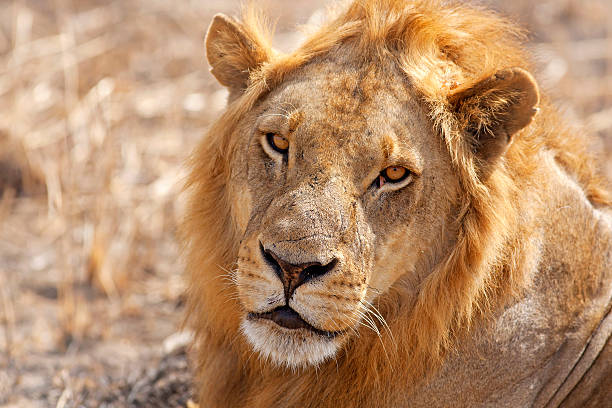
🦁 Lions

Lions in Mikumi are apex predators that roam the savannah plains and thickets. They are most often seen hunting near the Mkata Floodplain or along rivers, where prey is concentrated. Visitors have the chance to observe:

  • Pride dynamics, including cooperative hunting and cub rearing

  • Territorial behavior, with males patrolling and marking territories

  • Lions resting under acacia trees during the heat of the day, a classic safari photograph opportunity


🐘 Elephants

Mikumi is home to large elephant herds, particularly in areas near water sources like rivers and floodplains. These elephants are:

  • Highly social, moving in family groups led by matriarchs

  • Constantly grazing and foraging, shaping the vegetation and landscape

  • Often seen crossing open plains, providing impressive wildlife spectacles

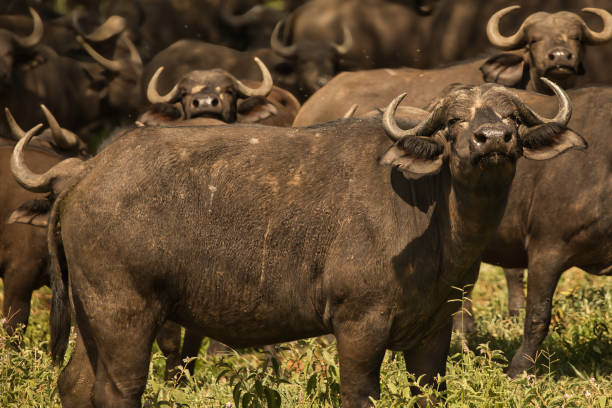
🐃 Buffalo

Buffalo are abundant in Mikumi and are known for their herd behavior and protective instincts:

  • Herds often consist of dozens or even hundreds of individuals

  • They are strong and resilient, making them challenging prey for predators

  • Buffalo can be observed grazing in floodplains or near waterholes, offering dramatic photographic scenes

🦒 Giraffes

Giraffes add elegance to Mikumi’s landscapes, browsing on acacia and other trees across the savannah. They:

  • Move gracefully between woodlands and open plains

  • Provide excellent photography opportunities, especially against sunrise or sunset backdrops

  • Are often seen alongside zebras and antelopes, forming classic mixed-species herds

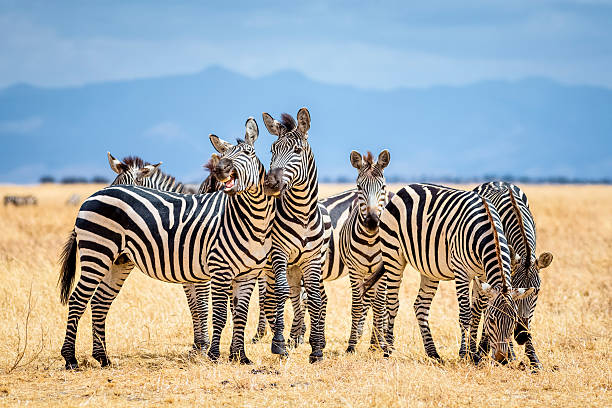
🦓 Zebras

Zebras are common grazers, often mixed with wildebeest and antelope herds. They:

  • Provide dynamic movement and patterns that enhance safari photography

  • Serve as prey for lions and leopards, creating exciting predator-prey interactions

  • Contribute to ecosystem balance by grazing and maintaining grassland health

Crocodiles in Mikumi National Park

Crocodiles are one of the most fascinating and formidable predators in Mikumi National Park, inhabiting the rivers, seasonal streams, and floodplains throughout the park. These ancient reptiles have thrived in Mikumi for millions of years, perfectly adapted to its wetland and riverine ecosystems.

Best Time to Visit Mikumi National Park

Visiting Mikumi National Park is possible year-round, but understanding the seasonal dynamics helps travelers maximize wildlife sightings, scenery, and safari experiences. Mikumi experiences two main seasons: the Dry Season and the Green Season, each offering unique advantages.

☀️ Dry Season (June – October)

The Dry Season, from June to October, is generally considered the best time for wildlife viewing in Mikumi:

  • Water Scarcity: As rainfall decreases, water sources become concentrated in rivers, floodplains, and seasonal pools. This leads to higher animal densities near these areas, making it easier to spot elephants, lions, buffalo, and other iconic species.

  • Visibility: Sparse vegetation enhances sightlines, improving chances to observe predator-prey interactions and herd behaviors.

  • Safari Comfort: Roads are dry and accessible, allowing smooth game drives across the park’s savannahs and floodplains.

Advantages of the Dry Season:

  • Optimal wildlife viewing and photography

  • Concentration of animals near rivers and Mkata Floodplain

  • Perfect for game drives and boat or walking safaris (where applicable)

🌿 Green Season (November – May)

The Green Season, from November to May, coincides with periods of rainfall, rejuvenating Mikumi’s landscapes:

  • Lush Scenery: The savannahs, woodlands, and floodplains turn vibrant green, creating spectacular photographic landscapes.

  • Birdwatching Paradise: Wetlands and rivers attract migratory and resident bird species, making it a great season for ornithology enthusiasts.

  • Wildlife Dispersal: Animals spread out more due to abundant water, offering quieter, off-the-beaten-path safari experiences.

Advantages of the Green Season:

  • Scenic landscapes and vibrant nature photography

  • Excellent birdwatching opportunities

  • Fewer tourists, providing a more private safari experience

Year-Round Safari Appeal

  • Dry Season: Focus on wildlife concentration, easy sightings, and dynamic game interactions

  • Green Season: Focus on lush scenery, bird diversity, and tranquil exploration

Mikumi’s flexibility for year-round visits ensures that travelers can plan safaris according to their interests—whether it’s intense wildlife observation or scenic nature photography.