


Climate Zones of Mount Kilimanjaro
One of the most fascinating aspects of climbing Mount Kilimanjaro is the incredible diversity of environments that climbers experience during their ascent. As trekkers move from the base of the mountain to the summit, they pass through several distinct climate zones, each with its own landscape, vegetation, wildlife, and weather patterns. This dramatic transition of ecosystems within a relatively short distance is one of the reasons why Kilimanjaro is considered one of the most unique trekking experiences in the world.
1. Rainforest Zone
The journey up Kilimanjaro usually begins in the rainforest zone, which covers the lower slopes of the mountain. This area receives significant rainfall throughout the year, creating a dense and lush tropical forest environment. Towering trees, thick vegetation, moss-covered branches, and a variety of plant species dominate the landscape. The rainforest is also home to diverse wildlife including monkeys, colorful birds, and small forest animals. The air in this zone is warm, humid, and rich in oxygen, making it a vibrant and lively ecosystem that contrasts sharply with the harsher environments found higher on the mountain.
2. Moorland Zone
As climbers ascend higher, the rainforest gradually gives way to the moorland zone, where the landscape becomes more open and the vegetation changes dramatically. In this zone, giant heathers, lobelias, and other unique alpine plants grow across rolling hills and rocky terrain. The temperatures begin to drop and the air becomes cooler and drier. The moorland zone offers spectacular views of the mountain’s volcanic formations and valleys, and it is often where climbers begin to truly appreciate the vast scale of Kilimanjaro. The environment here is quieter and more rugged compared to the dense forests below.
3. Alpine Desert Zone
Higher up the mountain lies the alpine desert zone, a harsh and dramatic environment where vegetation becomes very limited due to extreme conditions. This zone is characterized by dry air, intense sunlight during the day, and very cold temperatures at night. The landscape consists mainly of rocky ground, volcanic ash, and sparse plant life that has adapted to survive in the thin air and low moisture. Winds can be strong and the environment feels remote and otherworldly. Despite its barren appearance, this zone offers some of the most striking views of Kilimanjaro’s volcanic terrain.
4. Arctic Summit Zone
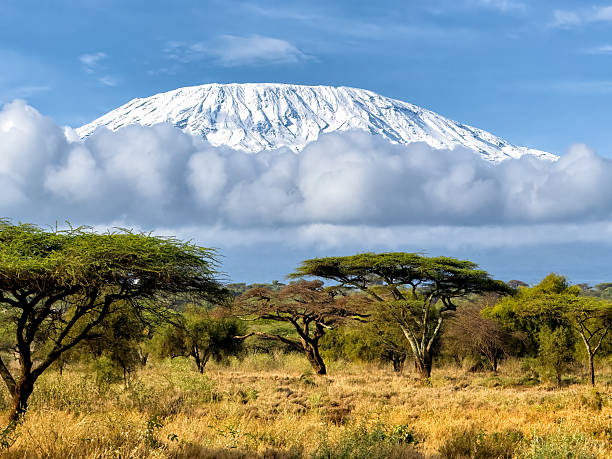
At the highest elevations lies the Arctic summit zone, the most extreme environment on the mountain. This zone surrounds the summit area near Uhuru Peak and is characterized by freezing temperatures, thin air, and glaciers that remain on the mountain’s upper slopes. The landscape is covered with ice, snow, and volcanic rock, creating a stark and dramatic scene above the clouds. Oxygen levels are significantly lower at this altitude, making the final ascent physically challenging for climbers. Reaching this zone marks the final stage of the Kilimanjaro journey and rewards trekkers with breathtaking panoramic views across the African continent.
Because climbers pass through these dramatically different environments—from tropical rainforest to an arctic-like summit—trekking Mount Kilimanjaro offers an extraordinary experience that cannot be found on most mountains around the world. This unique combination of ecosystems within a single climb is what makes Kilimanjaro one of the most remarkable trekking destinations on Earth.


