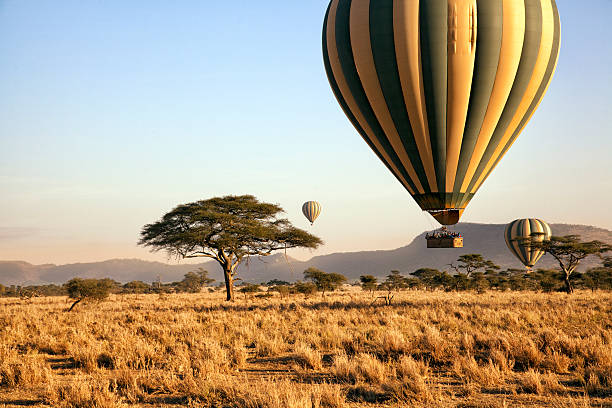

Ecologically, the Serengeti forms part of the larger Serengeti ecosystem, which extends into neighboring protected areas such as Ngorongoro Conservation Area and even reaches across the border into Maasai Mara National Reserve. Within this ecosystem, the landscape transitions between different environments including open grasslands, riverine forests, woodlands, and rocky outcrops known as kopjes. These varied habitats support an extraordinary range of wildlife and maintain the natural balance of this globally significant ecosystem.
Serengeti National Park also plays a vital role in Tanzania’s tourism industry and conservation efforts. As one of the most visited national parks in Africa, it contributes significantly to the country’s economy by attracting international travelers seeking authentic safari experiences. Tourism revenue helps support wildlife conservation, environmental protection, and community development initiatives that benefit local populations living around the park.
Today, Serengeti remains not only a symbol of Africa’s natural beauty but also a global treasure for wildlife conservation and sustainable tourism. Its endless plains, dramatic wildlife encounters, and unique ecological importance make it one of the most unforgettable destinations for anyone seeking to experience the true essence of the African wilderness.