

Tarangire National Park is one of the most remarkable wildlife destinations in northern Tanzania, known for its vast savannah landscapes, impressive elephant populations, and iconic baobab trees. Located approximately 120 kilometers southwest of Arusha, the park forms an essential part of Tanzania’s famous Northern Safari Circuit, which also includes destinations such as Serengeti National Park, Ngorongoro Conservation Area, and Lake Manyara National Park.
Covering an area of about 2,850 square kilometers, Tarangire is the sixth-largest national park in Tanzania and offers a diverse range of habitats that support a rich variety of wildlife. Despite often being less crowded than some of the country’s more famous parks, Tarangire provides exceptional safari experiences, especially during the dry season when large concentrations of animals gather near the park’s permanent water sources.
Tarangire National Park is located in northern Tanzania, about 118 km southwest of Arusha. The park covers approximately 2,850 square kilometers and forms part of the famous Northern Tanzania Safari Circuit, which also includes Serengeti National Park, Ngorongoro Conservation Area, and Lake Manyara National Park.
The map of Tarangire helps visitors understand the layout of the park and the major areas where wildlife viewing takes place.
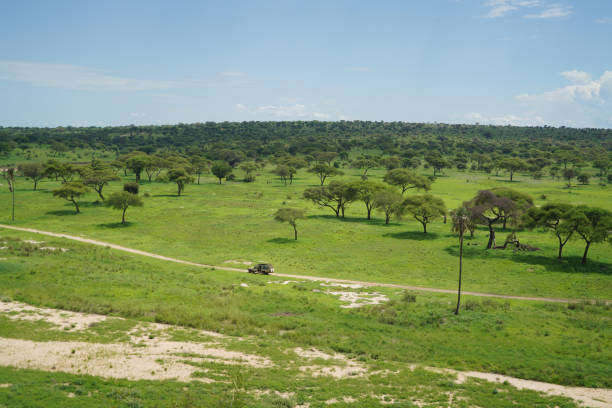
The landscape of Tarangire National Park is defined by its rolling savannah plains, seasonal swamps, river valleys, and ancient baobab trees. These massive baobabs—sometimes referred to as the “Tree of Life”—are one of the park’s most recognizable features and create a dramatic and picturesque environment.
At the heart of the park flows the Tarangire River, the only permanent water source in the area during the dry months. This river acts as a lifeline for wildlife, attracting large numbers of animals from the surrounding ecosystem. As a result, the park becomes a bustling hub of animal activity, particularly between June and October.
The scenery in Tarangire is both rugged and beautiful, with a mixture of open grasslands, acacia woodlands, and marshy wetlands that create an ideal habitat for a wide range of species.
Tarangire National Park is home to a highly diverse ecosystem that supports many different forms of plant and animal life. The park’s habitats include:
Open savannah grasslands where large herbivores graze
Acacia woodlands that provide shelter and food for browsing animals
Seasonal swamps and wetlands that attract birds and aquatic species
Riverine forests along the Tarangire River
This ecological diversity allows the park to sustain wildlife populations throughout the year and creates excellent conditions for both wildlife viewing and birdwatching.
Tarangire National Park plays a vital role in Tanzania’s tourism industry as part of the Northern Safari Circuit. Many safari itineraries begin or end with a visit to Tarangire due to its convenient location near Arusha and its impressive wildlife concentrations.
The park offers a more peaceful and less crowded safari experience compared to some of the larger parks, allowing visitors to enjoy wildlife encounters in a relaxed and natural setting. Its combination of dramatic landscapes, diverse ecosystems, and abundant wildlife makes Tarangire a must-visit destination for travelers exploring northern Tanzania.
Tarangire National Park is one of Tanzania’s most rewarding wildlife destinations, famous for its large elephant populations, diverse animal species, and rich birdlife. The park’s combination of open savannahs, acacia woodlands, seasonal swamps, and the life-giving Tarangire River creates an ideal environment for a wide range of wildlife. During the dry season, animals from surrounding areas migrate into the park in search of water, making Tarangire one of the best places in northern Tanzania for concentrated wildlife viewing.

Tarangire is particularly renowned for its massive elephant herds, which are among the largest in East Africa. Visitors can often witness families of elephants numbering in the hundreds, especially during the dry months when they gather along the Tarangire River.
These intelligent and highly social animals live in matriarchal family groups, led by an experienced female who guides the herd to water and feeding areas. Watching elephants interact—protecting their calves, communicating through deep rumbling sounds, and moving gracefully across the landscape—is one of the most memorable safari experiences in the park.
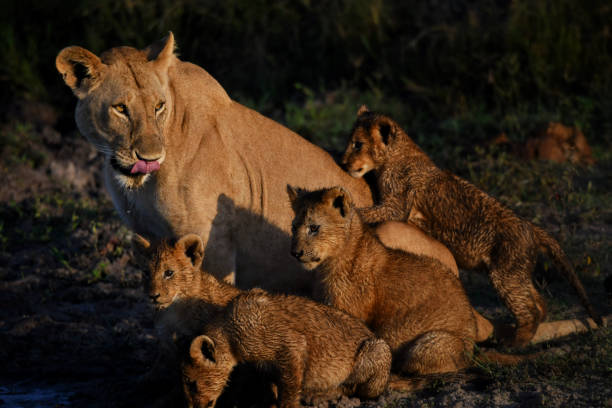
Lions are among the top predators found in Tarangire National Park. These powerful carnivores typically live in organized social groups known as prides, which cooperate when hunting large prey such as zebras, wildebeest, and buffalo.
Tarangire’s lions are sometimes observed resting under acacia trees during the day or stalking prey in the early morning and late afternoon. In some areas of the park, lions have even been seen climbing trees, a behavior that provides them with shade and a strategic vantage point over the savannah.
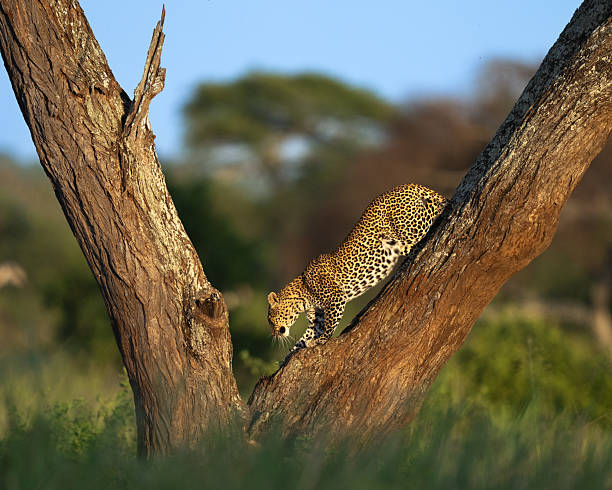
The elusive leopard is another fascinating predator that inhabits the wooded regions of Tarangire National Park. Leopards are solitary hunters known for their stealth and remarkable climbing ability.
They often rest in the branches of large trees during the day and hunt at night, preying on animals such as antelope, monkeys, and smaller mammals. Although sightings are less common than other animals, spotting a leopard in the wild is considered a special highlight of any safari.

.
Cheetahs are the fastest land animals on Earth, capable of reaching speeds of over 100 km/h during short chases. In Tarangire, they are usually found in open plains and grasslands, where they rely on their incredible speed to catch prey such as gazelles and young antelope.
Unlike lions, cheetahs prefer to hunt during the day and avoid confrontation with larger predators. Their slender bodies, long legs, and distinctive tear-like facial markings make them one of the most recognizable animals in Africa.
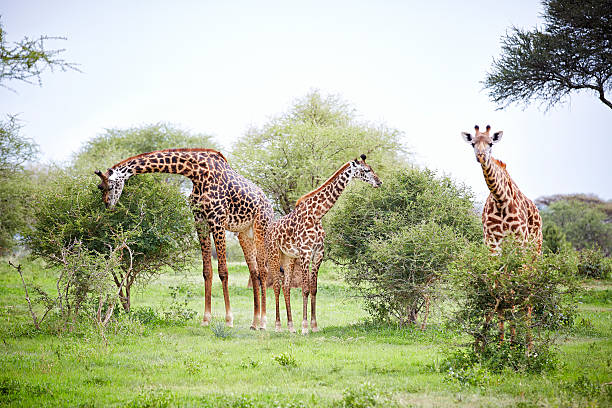
The elegant Masai giraffe, Tanzania’s national animal, is commonly seen in Tarangire. These towering herbivores roam across the park’s acacia woodlands, feeding on leaves from tall trees using their long necks and specialized tongues.
Giraffes often move in small groups and are frequently seen walking slowly across the savannah, creating beautiful scenes against Tarangire’s iconic baobab landscapes.
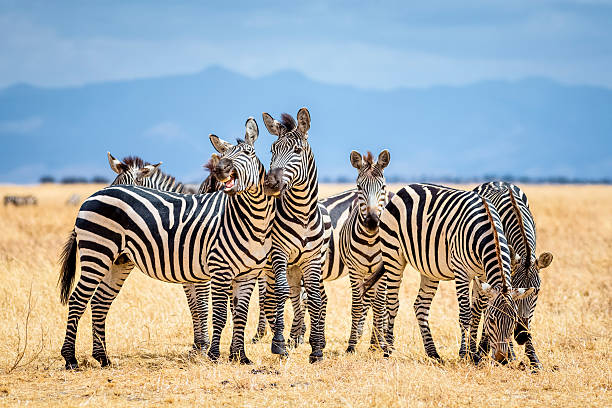
Zebras are among the most visible grazers in the park, often forming large herds that move across the grasslands. Their distinctive black-and-white striped patterns are unique to each individual, helping them blend together in a group and confuse predators.
Zebras often graze alongside other herbivores such as wildebeest and antelope, creating dynamic wildlife scenes during game drives.
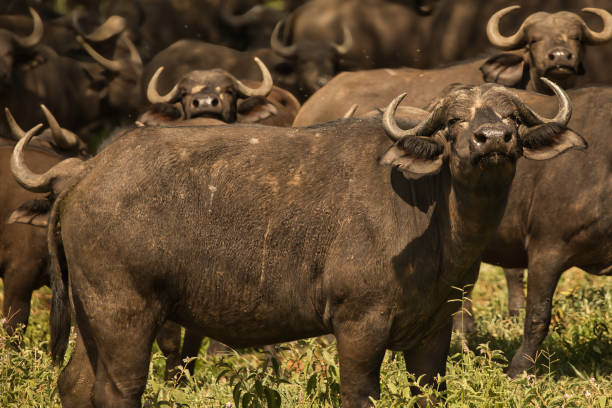
Large populations of wildebeest and African buffalo are also found in Tarangire. Wildebeest move seasonally through the ecosystem, grazing on the park’s rich grasslands, while buffalo typically form powerful herds that roam the savannah and wetlands.
Buffalo are known for their strength and defensive behavior, often standing together to protect themselves from predators such as lions.

Tarangire National Park is a paradise for bird enthusiasts, with more than 500 recorded bird species. The park’s rivers, swamps, and woodlands create perfect habitats for both resident and migratory birds.
Visitors may spot spectacular birds such as ostriches, secretary birds, hornbills, kingfishers, eagles, and colorful bee-eaters. During the wet season, migratory birds arrive from different parts of the world, adding even more diversity to the park’s birdlife.
The combination of large elephant herds, diverse predators, grazing animals, and abundant birdlife makes Tarangire National Park one of the most exciting safari destinations in Tanzania. Its beautiful landscapes—filled with ancient baobab trees and flowing river valleys—provide the perfect backdrop for unforgettable wildlife encounters.

One of the most distinctive features of Tarangire National Park is its remarkable population of ancient baobab trees, which dominate the park’s landscape and create one of the most iconic scenes in northern Tanzania. These massive trees are often referred to as the “Tree of Life” because of their incredible ability to store water and support both wildlife and local ecosystems.
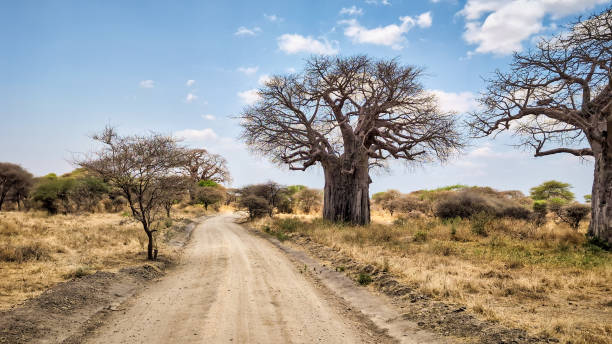
Baobab trees are among the oldest living trees in Africa, with some individuals believed to be over a thousand years old. Their enormous trunks can reach several meters in diameter, giving them a unique and almost mythical appearance.
Because of their thick, swollen trunks, baobabs look as though they are planted upside down, with branches resembling roots stretching into the sky. This unusual shape has inspired many African legends and stories about the origins of the tree.
In Tarangire National Park, these ancient giants stand scattered across the plains, creating dramatic landscapes that are instantly recognizable and highly photogenic.
One of the most fascinating characteristics of baobab trees is their ability to store large amounts of water inside their trunks. During the rainy season, the tree absorbs and stores moisture that helps it survive the long dry months.
A mature baobab can hold thousands of liters of water, allowing it to remain healthy even during severe droughts. This natural water storage system makes the baobab incredibly resilient and well adapted to the harsh African savannah climate.
Because of this ability, baobab trees have historically been important for both wildlife and local communities, providing shade, food, and sometimes even water in dry environments.

The baobab trees of Tarangire National Park also play an important ecological role. Many animals interact with these trees in different ways.
For example, elephants often strip bark from baobabs to obtain moisture and nutrients. Birds frequently nest in the branches, while smaller animals use cavities in the trunk as shelter.
The presence of these massive trees helps support biodiversity by providing habitat, shade, and food sources for many species living in the park.

Today, baobab trees are considered one of the most iconic symbols of Tarangire National Park. Their unique silhouettes against the African sunset create breathtaking scenery that attracts photographers and travelers from around the world.
For many safari visitors, the combination of giant baobabs, roaming elephant herds, and open savannah plains creates one of the most memorable landscapes in Tanzania’s Northern Safari Circuit.
These majestic trees not only define the visual identity of Tarangire but also represent the timeless beauty and resilience of Africa’s natural environment.
Tarangire National Park can be visited throughout the year, but the safari experience changes depending on the season. The park experiences two main seasons: the Dry Season and the Green (Wet) Season, each offering unique advantages for wildlife viewing, scenery, and birdwatching.
The Dry Season, from June to October, is widely considered the best time to visit Tarangire National Park for wildlife viewing. During these months, rainfall is minimal and the landscape becomes drier, causing animals to gather around the Tarangire River, which is the park’s main permanent water source.
As water becomes scarce in the surrounding areas, large numbers of animals migrate into the park in search of water and fresh grazing. This results in some of the highest concentrations of wildlife in northern Tanzania, especially large herds of elephants, zebras, wildebeest, and buffalo.
Predators such as lions and leopards also follow these herds, creating excellent opportunities for dramatic wildlife encounters during game drives.
Advantages of the Dry Season:
Best wildlife visibility due to thinner vegetation
Large animal gatherings near the Tarangire River
Excellent game viewing and predator sightings
Ideal conditions for safari photography
Because of these conditions, the dry months are often considered the peak safari season in Tarangire.
The Green Season, which runs from November to May, transforms Tarangire National Park into a lush and vibrant landscape. Seasonal rains bring new life to the savannah, turning the park’s plains into a beautiful green environment filled with fresh grasses and blooming vegetation.
During this period, wildlife becomes more dispersed as animals move across the park and surrounding ecosystems in search of new grazing areas. Although animals may be spread out, visitors can still enjoy rewarding wildlife sightings in the park’s forests, wetlands, and river areas.
One of the biggest highlights of the green season is birdwatching. Tarangire becomes home to hundreds of resident and migratory bird species, making it one of the best places in Tanzania for bird enthusiasts.
Advantages of the Green Season:
Beautiful green landscapes and dramatic skies
Excellent birdwatching opportunities
Fewer tourists and quieter safari experiences
Perfect conditions for landscape and nature photography
| Season | Months | Highlights |
|---|---|---|
| Dry Season | June – October | Best wildlife viewing, animals gather near the Tarangire River |
| Green Season | November – May | Lush scenery, great birdwatching, fewer visitors |
No matter when you visit, Tarangire National Park offers spectacular landscapes, iconic baobab trees, and unforgettable wildlife experiences, making it a must-visit destination within Tanzania’s Northern Safari Circuit.
Tarangire National Park offers a variety of exciting safari activities that allow visitors to explore its spectacular landscapes, rich wildlife, and vibrant local culture. From thrilling game drives to peaceful birdwatching experiences, the park provides unforgettable adventures for nature lovers, photographers, and first-time safari travelers.
.
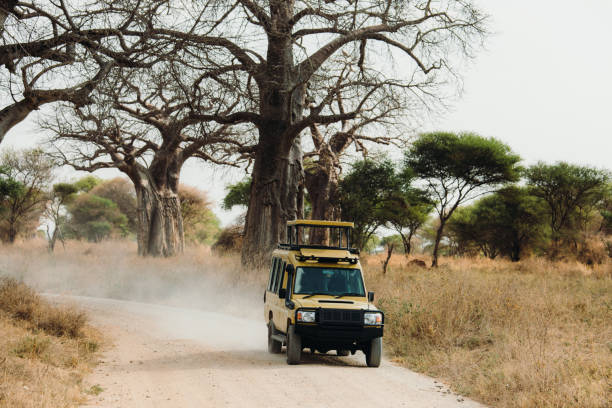
Game drives are the most popular safari activity in Tarangire National Park. Visitors explore the park in specially designed 4×4 safari vehicles, guided by experienced drivers who know the best locations for spotting wildlife.
During a typical game drive, visitors may encounter large elephant herds, giraffes, zebras, wildebeest, buffalo, and a variety of antelope species moving across the savannah. Predators such as lions and leopards can also sometimes be spotted resting under trees or stalking prey.
Game drives usually take place early in the morning and late in the afternoon, when animals are most active and temperatures are cooler. These drives offer excellent opportunities to experience the beauty of Tarangire’s landscapes, including its famous baobab trees and river valleys.

Tarangire National Park is a fantastic destination for wildlife photography. The park’s dramatic scenery—featuring ancient baobab trees, golden savannah plains, and large elephant herds—creates perfect conditions for capturing stunning images.
Photographers often enjoy documenting memorable moments such as elephants walking beneath baobab trees, lions resting in the shade, or giraffes moving across the open plains. Early morning and sunset hours provide the best natural lighting for photography, creating warm tones and dramatic skies.
Because Tarangire receives fewer visitors than some other parks, photographers often have more space and time to capture unique wildlife scenes.
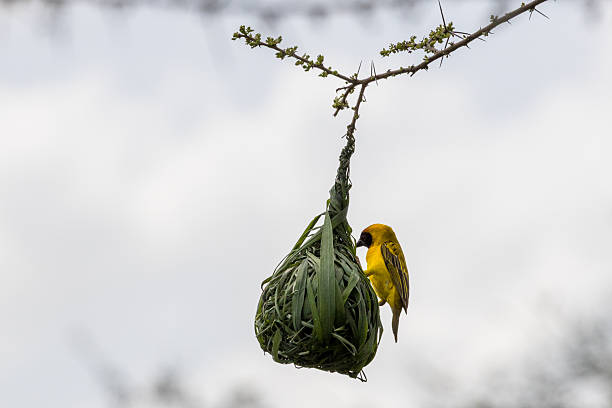
With more than 500 bird species recorded, Tarangire National Park is considered one of the best birdwatching destinations in Tanzania.
The park’s diverse habitats—including wetlands, rivers, forests, and grasslands—support a wide variety of birdlife. Visitors may spot species such as ostriches, hornbills, kingfishers, eagles, secretary birds, and colorful bee-eaters.
Birdwatching is particularly rewarding during the green season, when migratory birds arrive and the wetlands attract large numbers of waterbirds. This makes Tarangire a paradise for both professional birdwatchers and casual nature enthusiasts.

A sunset safari in Tarangire National Park is one of the most magical experiences for visitors. As the sun slowly sets over the African savannah, the sky fills with warm colors of orange, pink, and gold.
During this time, many animals become more active, creating excellent opportunities to observe wildlife in a dramatic setting. Elephants may be seen moving toward the river, giraffes walk across the plains, and birds return to their nesting areas.
Sunset safaris also provide some of the best photography opportunities, with silhouettes of animals and baobab trees creating unforgettable scenes against the glowing horizon.
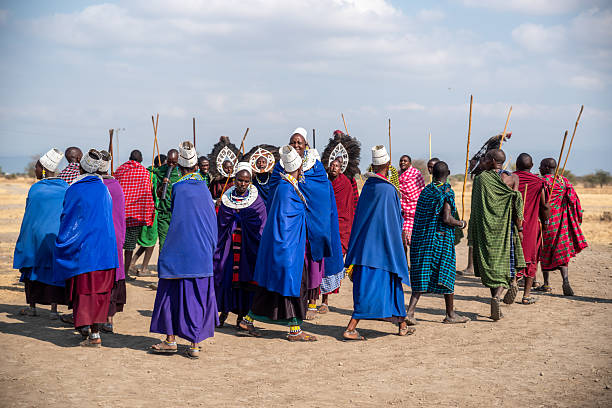
Visitors to Tarangire National Park can also participate in cultural visits to nearby Maasai communities. These experiences offer insight into the traditions, lifestyle, and heritage of the Maasai people, one of East Africa’s most well-known pastoral societies.
Guests can learn about traditional Maasai homes, livestock herding practices, colorful clothing, and local customs. Many visits include traditional dances, storytelling, and opportunities to purchase handmade crafts created by community members.
These cultural encounters provide a meaningful way for travelers to connect with the local communities who live alongside Tanzania’s wildlife and natural landscapes.