
Discover the best time to visit Serengeti with expert guidance from Kilimanjaro Safaris Champions. Plan your perfect safari with wildlife, migration & comfort in mindhttps://kilimanjarosafarischampions.com/destinations/serengeti-national-park/
Understanding Serengeti Seasons and Why Timing Defines the Safari Experience
The Serengeti is one of the few places on Earth where nature still follows ancient rhythms largely untouched by modern development. Its vast plains, dramatic skies, and endless wildlife movements are shaped almost entirely by seasons. Rainfall patterns, grass regeneration, animal migrations, and predator behavior all change throughout the year, making timing one of the most important factors in safari planning. For travelers, understanding how seasons work in the Serengeti is the foundation for choosing the best time to visit serengeti, because the experience can vary dramatically depending on when one arrives.
The Serengeti has two primary climatic seasons: the dry season and the wet season, each with its own sub-periods and ecological significance. Unlike destinations where seasons are defined by temperature, the Serengeti’s seasons are defined mainly by rainfall. Temperatures remain relatively stable year-round, generally ranging between warm days and cooler nights. What truly changes is the availability of water and grazing, which directly influences animal movement and visibility. This seasonal dynamic is what makes the Serengeti endlessly fascinating and also what makes planning essential.
The dry season, which generally runs from June to October, is often considered the most popular safari period. During these months, rainfall is minimal, vegetation becomes thinner, and wildlife concentrates around permanent water sources such as rivers and waterholes. This natural concentration makes animals easier to spot, particularly large predators like lions and leopards. Roads are also in better condition, allowing vehicles to access a wider range of areas. For many travelers, this period aligns closely with expectations of classic African safari imagery and is frequently promoted as the best time to visit serengeti for first-time visitors.
However, popularity comes with trade-offs. The dry season attracts a high volume of visitors, especially during peak months from July to September. Certain regions, particularly those associated with the Great Migration river crossings, can become crowded. While wildlife viewing remains exceptional, the sense of exclusivity may be reduced in high-traffic areas. This reality highlights why expert planning and local knowledge are essential; knowing when and where to travel within the Serengeti during peak season can make the difference between a congested experience and a private, immersive one.
The wet season, often referred to as the green season, typically occurs from November to May and is divided into short rains and long rains. The short rains usually fall between November and December, while the long rains occur from March to May. During this period, the landscape transforms dramatically. The plains turn lush and green, wildflowers bloom, and the air feels fresh and vibrant. Wildlife disperses more widely due to abundant water and grazing, which can make sightings slightly less predictable but no less rewarding.
One of the most remarkable highlights of the wet season is the calving period, usually from January to March in the southern Serengeti and Ndutu region. During this time, hundreds of thousands of wildebeest give birth within a short window, creating one of the most intense wildlife spectacles on the planet. Predators are drawn to the abundance of vulnerable young, resulting in dramatic interactions that are rarely witnessed during other times of year. For travelers interested in raw ecological processes and high predator activity, this period can rival, and in some ways surpass, the dry season in significance.
Birdlife also flourishes during the wet season. Migratory birds arrive from Europe and Asia, adding color and diversity to the already rich avian population. For birdwatchers and photographers, this season offers unique opportunities that are often overlooked by mainstream safari marketing. Additionally, the wet season generally sees fewer visitors, lower accommodation rates, and a more relaxed atmosphere. These advantages challenge the assumption that there is only one correct answer to the question of the best time to visit serengeti.
Understanding seasonal variation also requires recognizing regional differences within the Serengeti ecosystem. The southern plains, central Seronera region, western corridor, and northern Serengeti each respond differently to rainfall and animal movement. While the south is most active during the wet season due to calving, the north becomes especially important later in the year when migration herds approach the Mara River. Central Serengeti offers relatively consistent wildlife viewing year-round, making it a strategic base regardless of season. This regional complexity reinforces the importance of planning beyond general seasonal labels.
This is where professional safari companies play a critical role. Kilimanjaro safaris champions specialize in aligning seasonal conditions with traveler expectations. Rather than promoting a single “perfect” month, they focus on understanding what each traveler hopes to experience—whether it is migration drama, predator sightings, photography, or tranquility—and then recommending dates and regions that best match those goals. Their deep familiarity with Serengeti seasonality allows them to design itineraries that maximize value and satisfaction while respecting ecological realities.
Another important seasonal consideration is photography and lighting. The dry season offers clear skies, golden light, and dust-filled drama that many photographers love. The wet season provides lush backdrops, dramatic clouds, and vibrant colors that create a completely different aesthetic. Both seasons offer exceptional photographic potential, but the style and mood differ significantly. Choosing the right time based on creative goals can greatly enhance the final outcome of a safari journey.
From a practical standpoint, seasons also affect logistics such as road accessibility and flight schedules. Heavy rains during the long wet season can make certain tracks challenging, though experienced guides know alternative routes and adapt plans accordingly. Reputable operators ensure vehicles are well prepared and itineraries remain flexible. This adaptability is one of the reasons travelers who value reliability often choose established companies like Kilimanjaro safaris champions, whose planning accounts for seasonal challenges rather than ignoring them.
For travelers researching online, season-focused content answers one of the most common questions asked during the planning phase. Google prioritizes content that addresses user intent clearly and comprehensively, and detailed explanations of Serengeti seasons align perfectly with this objective. Blogs that explore both advantages and limitations of each season demonstrate authenticity and expertise, building trust with readers and search engines alike. Rather than oversimplifying, high-quality content embraces nuance and encourages informed decision-making.
Authoritative external resources further support seasonal understanding. The Tanzania National Parks Authority provides official information on park conditions and regulations throughout the year at https://www.tanzaniaparks.go.tz. UNESCO highlights the global significance of the Serengeti ecosystem and its natural cycles at https://whc.unesco.org. Wildlife publications such as National Geographic regularly feature in-depth articles on migration patterns and seasonal behavior at https://www.nationalgeographic.com. Referencing such sources strengthens credibility and reinforces accurate interpretation of seasonal dynamics.
Ultimately, the Serengeti does not have a single, universal peak moment that suits every traveler. Instead, it offers a spectrum of experiences shaped by time, rainfall, and movement. The true answer to when to go depends on what one values most: spectacle, solitude, greenery, photography, or cost efficiency. By understanding the seasons in depth and working with knowledgeable professionals, travelers can confidently choose the best time to visit serengeti for their individual journey. This informed approach transforms a safari from a simple trip into a deeply rewarding encounter with one of the world’s greatest natural landscapes.
Month-by-Month Breakdown of the Serengeti – Choosing the Optimal Safari Window

Choosing the best time to visit Serengeti requires more than just identifying dry or wet seasons; it demands a detailed understanding of how each month affects wildlife behavior, scenery, and overall safari logistics. The Serengeti is dynamic, with shifting grasslands, river crossings, and migratory movements that create distinct experiences from one month to the next. By considering each month individually, travelers can align their expectations with ecological realities, ensuring that the journey is both rewarding and comfortable. Moreover, working with professional operators such as Kilimanjaro Safaris Champions ensures that these subtle nuances are translated into an itinerary that maximizes wildlife encounters, photographic opportunities, and cultural insights.
January: Calving Season in Southern Serengeti
January marks the beginning of the calving season in the southern Serengeti, especially around the Ndutu area. During this month, hundreds of thousands of wildebeest give birth in a condensed time frame, creating one of the planet’s most extraordinary wildlife spectacles. This influx of vulnerable young attracts predators, including lions, cheetahs, and hyenas, offering dramatic and educational predator-prey interactions. While viewing is somewhat dispersed due to the wide range of the migrating herds, expert guides know the exact locations where calving and predator activity are highest.
For photographers, January provides opportunities to capture newborn calves, lion hunts, and the rich green landscape following short rains. While the vegetation is thicker than in the dry season, the contrast between the plains and wildlife creates compelling imagery. Travellers during this period should prepare for slightly higher humidity and occasional short showers, but these do not usually impede game drives.
For those seeking the best time to visit Serengeti with an emphasis on witnessing birth and predator behavior, January is an excellent choice. Kilimanjaro Safaris Champions specializes in tailoring itineraries for this period, ensuring visitors are in prime locations while maintaining ethical wildlife viewing practices. Their local guides understand subtle cues from both the landscape and the animals, enhancing both safety and experience quality.
February: Peak Calving and Wildlife Abundance
February represents the peak of the calving season, with predator activity at its highest and plains teeming with life. Wildebeest, zebras, and other herbivores are abundant, and the Serengeti’s southern ecosystem is vibrant, green, and fertile. Wildlife encounters are intense and frequent, creating opportunities for observing natural behavior in ways not possible during other times of the year.
February also brings warmer temperatures, but morning and evening drives remain cool and comfortable. Travelers should note that while animal density is high, distances between sightings may require longer drives. Kilimanjaro Safaris Champions ensures that these drives are efficiently planned, prioritizing locations that maximize sightings while minimizing road wear and environmental impact.
This month is particularly appealing to visitors interested in combining wildlife viewing with photography workshops. The lush backdrop and dense wildlife provide dramatic compositions, ideal for professionals and enthusiasts alike. February remains one of the best times to visit Serengeti, particularly for travelers whose primary goal is predator observation during calving. By partnering with a knowledgeable operator, clients gain access to lesser-known vantage points that offer privacy and unmatched viewing opportunities.
March: Transition from Calving to Wet Season Dynamics

March marks a transition period in the Serengeti, with long rains beginning to affect roads and wildlife movements. Vegetation remains lush, and the southern plains continue to host large numbers of wildebeest, though calving winds down toward the end of the month. Predator activity remains high, and birdlife reaches a peak with migratory species arriving for nesting.
Travelers should anticipate occasional muddy tracks and intermittent showers, which may limit access to certain areas. Expert guides, like those from Kilimanjaro Safaris Champions, are critical during this month to navigate changing conditions safely. They also provide essential insights into how rainfall affects animal behavior, such as shifting grazing patterns and predator hunting strategies.
March remains one of the best times to visit Serengeti for travelers seeking a mix of calving-related activity and the beginning of green season experiences. Visitors can enjoy both dramatic predator interactions and scenic landscapes enriched by rainfall. This month illustrates how expert planning enhances the safari experience, ensuring travelers remain in optimal locations despite dynamic environmental conditions.
April: Long Rains and Fewer Tourists
April is the heart of the long rains in the Serengeti, a period less frequented by tourists due to weather conditions. However, this period offers a unique opportunity for travelers who prioritize solitude, lush scenery, and exceptional birdwatching. The plains are verdant, rivers are full, and waterfalls, which are often dry in other months, come alive with cascading water.
Although wildlife is more dispersed due to abundant grazing and water availability, expert guides can still locate concentrations of predators and herbivores using their deep understanding of the ecosystem. Kilimanjaro Safaris Champions tailors itineraries to account for road conditions, ensuring that vehicles are capable of handling mud and soft tracks while maintaining guest safety and comfort.
For photographers and naturalists, April provides unparalleled visual and educational value. The rain enhances colors, reflections, and textures, producing dramatic compositions that cannot be replicated during the dry season. Consequently, April is one of the best times to visit Serengeti for visitors seeking a more private, serene, and immersive experience. Travelers also benefit from reduced accommodation rates and fewer crowds, making the safari more exclusive.
May: End of Long Rains and Migration Beginnings
By May, rainfall gradually decreases, and the migration begins its movement from southern to western Serengeti. Wildebeest and zebras start heading toward Grumeti and western corridors, signaling the beginning of one of the most anticipated wildlife events globally—the Great Migration river crossings. While predator density is still moderate, animal activity becomes increasingly concentrated along migratory pathways, offering strategic viewing opportunities.
The vegetation remains lush in early May, making wildlife tracking slightly more challenging but rewarding with expert guidance. Kilimanjaro Safaris Champions leverages its local knowledge to identify key observation points, ensuring that travelers witness high-quality sightings despite environmental challenges.
May is an excellent choice for travelers who want to experience both wet-season scenery and the initial stages of migration. Thoughtful planning during this period allows visitors to enjoy dramatic landscapes and wildlife interactions while avoiding the logistical difficulties associated with peak river crossing months. It is, therefore, one of the best times to visit Serengeti, particularly for those seeking a mix of scenery and wildlife behavior diversity.
June: Beginning of Dry Season and Ideal Game Viewing
June marks the start of the dry season, with clear skies, lower humidity, and decreasing rainfall. Wildlife begins to concentrate near rivers, waterholes, and remaining water sources, which significantly improves game viewing. The central Serengeti and northern regions offer excellent visibility, making June an ideal month for travelers prioritizing wildlife observation, photography, and comfortable driving conditions.
The dry season also coincides with more stable road conditions, allowing vehicles to reach areas that may have been inaccessible during wet months. Kilimanjaro Safaris Champions ensures that safari itineraries are structured around water sources and known predator territories, optimizing wildlife encounters and guest satisfaction.
June is widely considered one of the best times to visit Serengeti due to the combination of good weather, reliable sightings, and the beginning of migration movement toward the north. Travelers during this month can enjoy both accessibility and quality viewing, making it particularly suitable for first-time visitors or those seeking a classic safari experience.
July to October: Peak Dry Season and Migration Spectacle
July through October represents the height of the dry season, widely regarded as the peak period for Serengeti safaris. Wildlife is concentrated near permanent rivers, and the Great Migration reaches its most dramatic phases, particularly in northern Serengeti and the Mara River crossings. Predator activity peaks, and large herds of wildebeest, zebras, and gazelles create unforgettable spectacles for travelers.
These months are generally dry and sunny, offering excellent conditions for photography, extended game drives, and walking safaris where allowed. Kilimanjaro Safaris Champions strategically plans routes to coincide with river crossings, predator hotspots, and areas of low tourist density, ensuring guests experience the intensity of migration without overcrowding.
July to October is arguably the most recommended period for visitors asking, “When is the best time to visit Serengeti?” Those who seek dramatic wildlife action, consistent sightings, and classic dry-season landscapes often plan their trips during these months. The expertise of local guides and companies like Kilimanjaro Safaris Champions guarantees that travelers are positioned optimally to witness rare and remarkable moments in nature.
November to December: Short Rains and Transition
November and December mark the short rainy season in the Serengeti, offering a transition from dry to wet conditions. Rainfall is generally lighter than during long rains, and roads remain accessible, providing a balance between lush scenery and reliable game viewing. Vegetation begins to green, and wildlife is moderately dispersed but still abundant around water sources.
The short rains provide vibrant photography opportunities with dramatic skies, reflections in water, and rejuvenated landscapes. Predators are still visible, and animal behavior is fascinating as species adjust to seasonal shifts. Kilimanjaro Safaris Champions emphasizes itinerary flexibility during this period, guiding travelers to optimal locations while taking advantage of quieter lodges and camps.
For those seeking an alternative to peak dry-season crowds, November and December represent one of the best times to visit Serengeti, especially for visitors desiring a blend of favorable conditions, moderate visitor numbers, and scenic beauty. Experienced guides and operators ensure travelers enjoy seamless and impactful safari experiences, even during transitional months.
Seasonal Summary and Strategic Planning
While each month offers unique advantages, strategic planning enhances the overall safari experience. Travelers who focus solely on calendar months may miss nuances such as predator-prey interactions, river crossing timing, or calving peaks. This is why working with an expert operator is essential. Kilimanjaro Safaris Champions specializes in aligning visitor objectives with the Serengeti’s ecological calendar, ensuring optimal timing, region selection, and safety.
By understanding monthly variations, visitors can make informed decisions based on priorities such as wildlife abundance, scenery, photography, solitude, or cultural experiences. The Serengeti’s complexity means there is no single answer to the question, “When is the best time to visit Serengeti?” However, month-by-month insight combined with professional guidance delivers tailored experiences that satisfy a wide spectrum of traveler expectations.
Seasonal awareness also contributes to ethical tourism. Knowing when and where wildlife congregates reduces unnecessary disturbance, minimizes vehicle traffic in sensitive areas, and respects predator-prey dynamics. Travelers guided by companies like Kilimanjaro Safaris Champions can enjoy unforgettable encounters while actively supporting conservation-conscious tourism.
- Tanzania National Parks: https://www.tanzaniaparks.go.tz
These resources reinforce seasonal knowledge, helping visitors align expectations with ecological realities.
Ultimately, a well-planned Serengeti safari takes into account month-by-month variations, balancing personal interests with seasonal opportunities. Whether seeking calving spectacle, predator action, migration drama, or lush green landscapes, there is a perfect window for every traveler. By leveraging the expertise of Kilimanjaro Safaris Champions, visitors are assured of a safari that is not only strategically timed but also seamless, memorable, and safe. The right month combined with professional guidance transforms the Serengeti from a destination into an immersive, life-changing experience.
Wildlife Highlights by Season – How Timing Enhances Your Serengeti Safari
The Serengeti is famous for its unparalleled wildlife diversity, with over a million wildebeest, hundreds of thousands of zebras, and a wide variety of predators, elephants, and bird species. However, wildlife sightings are not uniform throughout the year. Understanding seasonal patterns is crucial for anyone planning a trip and aiming to experience the full richness of this ecosystem. Selecting the best time to visit Serengeti ensures that travelers can witness the behaviors, migrations, and interactions that make this destination legendary. Moreover, partnering with an expert operator such as Kilimanjaro Safaris Champions can significantly enhance the experience by positioning visitors in the right locations at the right moments.
The Great Migration and Seasonal Herd Movements
One of the Serengeti’s most celebrated wildlife events is the Great Migration, during which over a million wildebeest and hundreds of thousands of zebras traverse the plains in search of fresh grazing. The timing of the migration depends on rainfall and grass growth patterns, which shift annually but generally follow predictable seasonal routes.
From January to March, the southern Serengeti and Ndutu regions host calving herds, attracting predators and offering unmatched wildlife spectacle. Kilimanjaro Safaris Champions guides leverage intimate knowledge of herd locations to ensure travelers experience peak predator-prey interactions without causing disturbance to wildlife. For those seeking dramatic scenes of newborn wildebeest and intense lion hunts, this period represents a prime example of the best time to visit Serengeti for close-up encounters.
By April and May, the herds begin moving northward to the western corridor, crossing rivers, and navigating dense woodlands. These months provide opportunities for birdwatchers and photography enthusiasts, as the landscape transforms into vibrant greens and water sources attract a variety of species. Expert safari operators can anticipate herd movements and position guests in strategic locations, which is why companies like Kilimanjaro Safaris Champions are invaluable for maximizing viewing potential.
From June to October, the migration reaches northern Serengeti and the Mara River crossings. The large herds gather near the river, creating dramatic crossing scenes that attract crocodiles and predators alike. These months coincide with the dry season, enhancing visibility and allowing visitors to witness intense wildlife interactions. For travelers seeking iconic safari imagery and once-in-a-lifetime experiences, this period represents the best time to visit Serengeti for migration-focused safaris.
By November and December, the herds gradually return south as the short rains begin. Wildlife is more dispersed, but the Serengeti remains teeming with activity, and visitors can enjoy fewer crowds alongside lush, green landscapes. Timing your visit during these months provides a balance between scenery, wildlife diversity, and a more intimate safari experience.
Predator Activity and Seasonal Patterns
Predator behavior in the Serengeti is closely tied to seasonal prey availability. Lions, leopards, cheetahs, hyenas, and wild dogs adjust hunting strategies based on herbivore concentration, which changes throughout the year.
During the calving season (January to March), predator activity peaks in the southern plains. Lions and hyenas focus on vulnerable newborns, creating intense interactions that are both thrilling and educational for visitors. Observing this behavior safely requires the guidance of highly skilled experts. Kilimanjaro Safaris Champions ensures that guests are positioned optimally for viewing, balancing excitement with ethical wildlife practices.
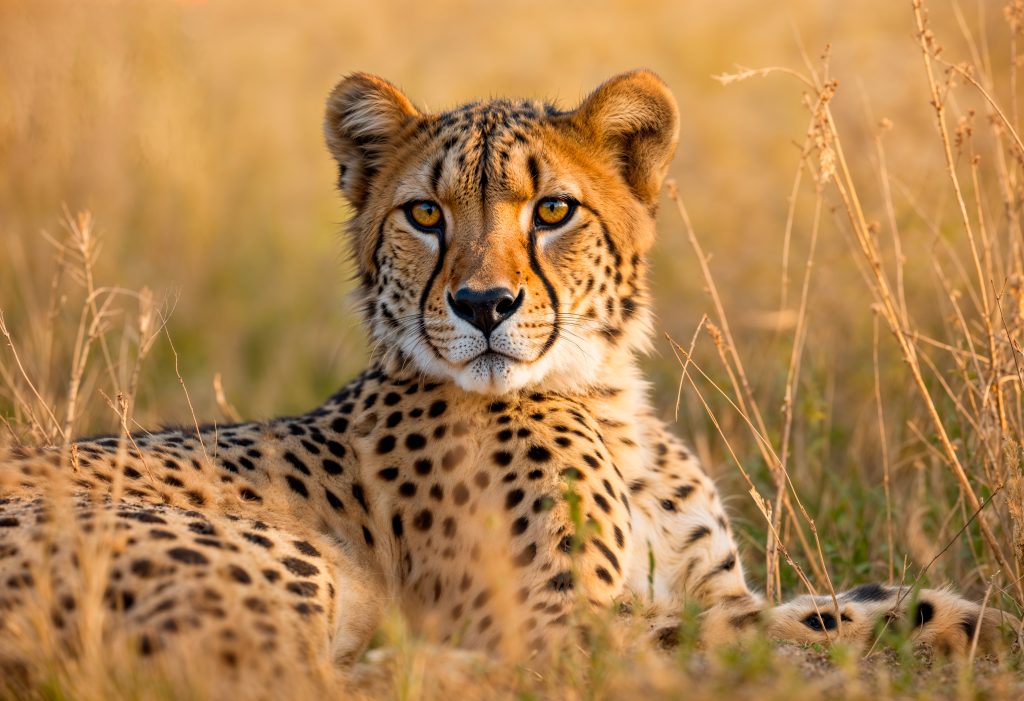
In the dry season (June to October), predators congregate around rivers and permanent water sources. Leopards are often more visible in the sparse vegetation, and lions are easier to spot as they hunt near watering holes. Cheetahs, though elusive, can be tracked by experienced guides who understand the subtle cues in the environment. This period is ideal for travelers seeking concentrated predator sightings, making it one of the best times to visit Serengeti for carnivore-focused safaris.
Even during wetter months, skilled guides can predict predator behavior by analyzing tracks, terrain features, and animal movements. Companies like Kilimanjaro Safaris Champions train guides extensively in wildlife ecology, ensuring that visitors witness authentic and safe encounters regardless of season.
Elephant, Giraffe, and Herbivore Viewing
While the migration and predators often dominate safari itineraries, resident species such as elephants, giraffes, and buffaloes provide consistent wildlife opportunities year-round. Seasonal considerations still affect viewing quality.
During the dry season, herbivores are concentrated near rivers, making them easier to locate. Waterholes attract a mix of species, creating dynamic scenes where elephants, zebras, and antelopes share resources. Photographers and wildlife enthusiasts benefit from clear visibility and golden light conditions.
In the wet season, dispersed herbivores are more challenging to track but offer unique viewing experiences in verdant landscapes. Grazing behavior, calving, and foraging patterns are often more visible against lush greenery. Kilimanjaro Safaris Champions emphasizes patience and ecological knowledge during these months, ensuring travelers remain engaged and satisfied even if sightings are less predictable.
Choosing the right season for herbivore observation depends on visitor priorities. For consistent sightings and accessible roads, dry months are preferable. For scenic beauty and diversity, wet months may be optimal. Regardless of timing, expert guidance ensures an enriching experience, demonstrating why working with professional operators is critical when selecting the best time to visit Serengeti.
Birdlife and Seasonal Variations
The Serengeti hosts over 500 bird species, making it a prime destination for birdwatchers year-round. However, migratory patterns, rainfall, and seasonal vegetation influence which species are present at specific times.
During the wet season, migratory birds arrive from Europe and Asia, while resident species become more active. Breeding plumage, nesting activity, and vibrant landscapes create unparalleled photographic and observation opportunities. Conversely, dry-season birding emphasizes raptors, water-dependent species, and interactions around concentrated water sources.
Experienced guides from Kilimanjaro Safaris Champions provide expert insights into bird identification, seasonal behaviors, and observation strategies. Visitors seeking a complete wildlife experience—including avian diversity—benefit immensely from this specialized knowledge. Seasonal planning for birding is an often-overlooked aspect of determining the best time to visit Serengeti, yet it dramatically enhances safari quality.
Planning Logistics Around Wildlife Highlights
Seasonal wildlife patterns influence more than just sightings—they affect accommodation, vehicle access, and overall travel planning. Roads can become difficult or inaccessible during heavy rains, while certain lodges may close temporarily during low-traffic periods. Travelers must balance wildlife priorities with logistical realities to maximize comfort and safety.
Professional operators such as Kilimanjaro Safaris Champions plan itineraries that align wildlife highlights with optimal travel logistics. This includes selecting accessible routes, timing game drives for peak activity periods, and coordinating with lodges and camps to ensure a seamless experience. Their expertise transforms what could be a frustrating or unpredictable safari into a smooth, memorable adventure.
Combining Seasons for Comprehensive Experiences
Some travelers may wish to experience both predator intensity and lush landscapes. Combining seasons or selecting transitional months can deliver this balance. For instance, visiting in March allows observation of late calving, early predator hunts, and emerging green season scenery. May offers migration beginnings, abundant birdlife, and manageable crowds.
By tailoring itineraries to individual priorities, Kilimanjaro Safaris Champions ensures that travelers experience the Serengeti in its most engaging form for their personal interests. Rather than focusing solely on popular months, the company evaluates wildlife patterns, seasonal nuances, and traveler goals to recommend the best time to visit Serengeti for each unique safari.
Consulting these resources alongside expert operators ensures informed decision-making and enhances appreciation for seasonal wildlife variations.
Conclusion: Timing is Everything
Wildlife experiences define the Serengeti, and understanding seasonal patterns is central to a rewarding safari. Whether your priority is witnessing predator-prey interactions, photographing newborn wildebeest, tracking migrations, or observing birdlife, selecting the best time to visit Serengeti is crucial. Partnering with Kilimanjaro Safaris Champions guarantees expert guidance, strategic positioning, and a safari designed around both ecological realities and traveler expectations. With professional planning, every season can offer transformative encounters, demonstrating that timing—and expertise—are the keys to an unforgettable Serengeti adventure.
Accommodation, Safari Logistics, and Seasonal Planning Tips for the Serengeti

Planning a successful Serengeti safari involves more than selecting dates based on wildlife or scenery; it also requires careful attention to accommodation, logistics, and seasonal conditions. Proper planning ensures that your safari is comfortable, safe, and maximizes wildlife encounters. Understanding how timing influences these factors is essential for determining the best time to visit Serengeti, and working with professional operators like Kilimanjaro Safaris Champions guarantees that every logistical detail is optimized.
Choosing the Right Accommodation Based on Season
Accommodation options in the Serengeti range from luxury lodges to mobile tented camps and budget-friendly campsites. The availability, location, and quality of lodges are often tied to seasonal wildlife patterns and accessibility.
During the dry season (June to October), permanent lodges in central and northern Serengeti are easily accessible, offering comfort, amenities, and proximity to wildlife hotspots such as river crossings and waterholes. Visitors choosing this period benefit from reliable road access and predictable wildlife sightings. However, high demand during these months necessitates early bookings. Kilimanjaro Safaris Champions works directly with top lodges to secure optimal accommodations, ensuring travelers are positioned near prime wildlife zones.
In contrast, the wet season (November to May) offers fewer tourists and lower prices, but access can be challenging due to muddy roads and temporary closures. Mobile tented camps and seasonal lodges in the southern Serengeti, particularly around Ndutu, become ideal choices during calving and early migration periods. Experienced operators, such as Kilimanjaro Safaris Champions, coordinate these seasonal options to maximize wildlife exposure while maintaining comfort and safety.
Safari Vehicle and Transportation Considerations
Vehicle choice and travel logistics are heavily influenced by the season. Standard 4×4 safari vehicles are adequate during dry months, offering smooth access to all major routes and ease of movement between lodges and wildlife areas. During the wet season, however, roads can become slippery and partially flooded. Vehicles with high clearance, expert drivers, and four-wheel-drive capability are essential for navigating these conditions safely.
Guided by Kilimanjaro Safaris Champions, travelers receive expertly maintained vehicles and professional drivers who understand seasonal road conditions and wildlife behavior. This expertise ensures that guests experience maximum safari efficiency without compromising safety or wildlife ethics. Vehicle logistics are a critical factor when deciding on the best time to visit Serengeti, as certain months may require more robust transportation solutions to access key wildlife zones.
Planning Daily Safari Activities
Daily activities on a Serengeti safari should be structured around both wildlife behavior and seasonal conditions. Morning game drives are ideal year-round for observing predators and active herbivores, while afternoon drives may focus on different regions depending on rainfall patterns and animal movements.
During the dry season, mornings and late afternoons provide optimal lighting for photography and wildlife observation, with animals gathering around waterholes and rivers. In the wet season, game drives may involve longer tracking periods, as animals disperse across lush grasslands. Expert guides from Kilimanjaro Safaris Champions plan itineraries that balance viewing opportunities, comfort, and safety, ensuring that travelers witness high-value wildlife interactions at every turn.
Night drives, where permitted, are often influenced by seasonal regulations and safety considerations. Certain lodges and private concessions allow night safaris during dry months when predator activity is higher, providing unique opportunities for spotting nocturnal species such as leopards, hyenas, and bush babies. Planning these activities requires in-depth local knowledge and compliance with park regulations, further emphasizing the importance of professional guidance.
Seasonal Impact on Travel Costs
Travel costs fluctuate based on season, influencing accommodation rates, safari packages, and air travel. Peak dry months (July–October) tend to be the most expensive due to high demand and optimal wildlife viewing conditions. Conversely, the wet season (April–May) offers lower rates, quieter lodges, and more personalized safari experiences.
Working with Kilimanjaro Safaris Champions, travelers can strategically plan trips to balance cost with wildlife priorities. Experienced operators can suggest transitional months where wildlife visibility remains high, but crowding and prices are lower, helping guests optimize their budget without compromising experience quality. Choosing the best time to visit Serengeti involves weighing these factors carefully to ensure value, comfort, and wildlife access.
Health, Safety, and Seasonal Considerations
Seasonal planning also affects health and safety precautions. The wet season increases the presence of mosquitoes and the risk of malaria, so visitors should take preventive measures such as prophylaxis, insect repellent, and appropriate clothing. Water availability and road conditions may also pose challenges that experienced operators navigate expertly.
During the dry season, high temperatures and dust can impact comfort and sensitive equipment. Kilimanjaro Safaris Champions provides guidance on hydration, sun protection, and vehicle preparation to ensure travelers remain safe and comfortable throughout their safari. Health and safety awareness is therefore a key element in selecting the best time to visit Serengeti, as each season presents unique considerations.
Timing Special Wildlife Events
Some seasonal wildlife events, such as the Great Migration river crossings or wildebeest calving, require precise timing. Missing these windows by a few weeks can dramatically alter the safari experience. Kilimanjaro Safaris Champions uses long-term ecological knowledge and real-time tracking to advise travelers on ideal dates for witnessing these iconic events. By aligning accommodation, vehicles, and guides with these seasonal peaks, visitors can experience the Serengeti at its most dramatic and rewarding.
Balancing Crowds, Experience, and Season
Selecting the best time to visit Serengeti is not solely about wildlife. Crowd density, accessibility, and overall atmosphere play critical roles. Peak dry months attract large numbers of visitors, whereas wet and transitional months offer solitude and a more immersive connection to the landscape. Travelers who value quiet observation, photography without interference, and intimate wildlife experiences may prefer the wet season, despite slightly unpredictable conditions.
Seasonal planning also allows for customizing safari duration. Short trips during peak season can be highly effective, while longer itineraries may be more suitable during the wet season to compensate for dispersed wildlife. Expert operators such as Kilimanjaro Safaris Champions design itineraries that integrate these variables, ensuring every day is optimized for wildlife sightings, comfort, and ecological respect.
Integrating Cultural and Scenic Experiences
The Serengeti is not only a wildlife haven but also a cultural landscape with Maasai communities and scenic vistas. Seasonal timing can affect the accessibility of cultural visits and photographic landscapes. For example, the wet season transforms the plains into lush expanses, enhancing scenic photography and creating opportunities to visit local villages with vibrant greenery as a backdrop.
Guides from Kilimanjaro Safaris Champions facilitate cultural interactions while ensuring responsible tourism practices. They help travelers understand local traditions, conservation efforts, and seasonal agricultural cycles, adding depth to the safari experience beyond wildlife observation. Integrating these experiences depends heavily on seasonal awareness, reinforcing the need to choose the best time to visit Serengeti with expert guidance.
Expert Recommendations for Seasonal Planning
When planning a Serengeti safari, several factors should be considered:
- Wildlife priorities – predators, migration, calving, resident species
- Accommodation type and availability – lodges vs. mobile camps
- Road and vehicle requirements – dry vs. wet season accessibility
- Crowd levels – peak vs. off-peak months
- Climate considerations – temperature, rainfall, mosquito activity
- Photography goals – lighting, landscape, and wildlife positioning
Kilimanjaro Safaris Champions excels in aligning these factors with each traveler’s objectives. Their team combines local expertise, ecological understanding, and logistical planning to deliver seamless safari experiences. This comprehensive approach ensures that visitors not only see wildlife but also enjoy comfort, safety, and immersive engagement, regardless of season.
- Tanzania National Parks – https://www.tanzaniaparks.go.tz
These references provide authoritative guidance on seasonal planning, logistics, and wildlife patterns, complementing professional advice from reputable safari operators.
Conclusion: Strategic Timing and Expert Planning
Successful Serengeti safaris rely on more than chance. Understanding how seasonality impacts accommodation, transportation, wildlife behavior, and overall logistics is essential for a rewarding experience. The best time to visit Serengeti depends on a combination of personal priorities, ecological factors, and operational expertise. Partnering with Kilimanjaro Safaris Champions ensures that every aspect of the safari is strategically planned—from vehicle selection and lodge placement to wildlife viewing and seasonal insights—delivering an unforgettable adventure tailored to each traveler’s goals.