
Discover the top animals in Serengeti with expert guidance from Kilimanjaro Safaris Champions. Explore lions, leopards, elephants, wildebeest, and more on an unforgettable safari experience. Plan your ultimate wildlife adventure with tips, seasonal insights, and ethical safari practices for an unforgettable journey in Tanzania’s iconic Serengeti National Park.https://kilimanjarosafarischampions.com/destinations/serengeti-national-park/
Introduction to the Wildlife Wonders of the Serengeti
The Serengeti National Park, a UNESCO World Heritage site, is one of the most renowned wildlife destinations in the world. Spanning over 14,750 square kilometers across Tanzania, this ecosystem is home to a staggering array of fauna. For wildlife enthusiasts, photographers, and adventure seekers alike, understanding the top animals in Serengeti is essential for planning a rewarding safari experience. Every visitor hopes to witness lions lounging on acacia-covered plains, herds of wildebeest migrating across the vast savannah, and elephants roaming majestically under the African sun. Choosing the right season, the right areas, and partnering with a professional operator can make the difference between a standard trip and an unforgettable journey. This blog is dedicated to our company, Kilimanjaro Safaris Champions, which has years of experience guiding travelers through these iconic landscapes while providing expert insights into animal behavior, conservation, and photography opportunities.
The Serengeti is famed not only for its mammals but also for its remarkable birdlife, reptiles, and smaller creatures that contribute to the ecological balance of the region. Highlighting the top animals in Serengeti requires more than listing names; it involves understanding their behavior, habitats, seasonal patterns, and interactions with other species. For instance, predators such as lions, leopards, and cheetahs rely heavily on herbivore movements during the migration, while resident species such as elephants, giraffes, and buffaloes maintain steady populations year-round. The experience of seeing these animals in their natural environment is elevated when guests work with professional guides like Kilimanjaro Safaris Champions, who use decades of local knowledge to locate wildlife, interpret their behavior, and provide safe, ethical encounters.
Lions – The Kings of the Serengeti

Lions are perhaps the most iconic of all the top animals in Serengeti. The Serengeti hosts one of the largest lion populations on the planet, and observing them in the wild is a quintessential safari experience. Lion prides are territorial, and understanding their patterns requires experience, patience, and timing. During the calving season of the Great Migration, lions often patrol the southern plains, where thousands of wildebeest congregate. Visitors guided by Kilimanjaro Safaris Champions gain unparalleled access to these areas, ensuring that sightings are safe, educational, and visually spectacular.
Lions in the Serengeti exhibit complex social behavior. Prides consist of related females, their offspring, and a coalition of males. This social structure allows for cooperative hunting, protection of cubs, and management of territory. For photographers and wildlife enthusiasts, witnessing these interactions offers insights into family dynamics, hunting strategies, and predator-prey relationships. Moreover, the dry season, which ranges from June to October, offers the clearest opportunities for lion sightings, as animals are more concentrated around water sources. Knowing the top animals in Serengeti includes understanding not only their presence but also their seasonal behavior, which is exactly what expert guides at Kilimanjaro Safaris Champions specialize in.
Elephants – Gentle Giants of the Plains
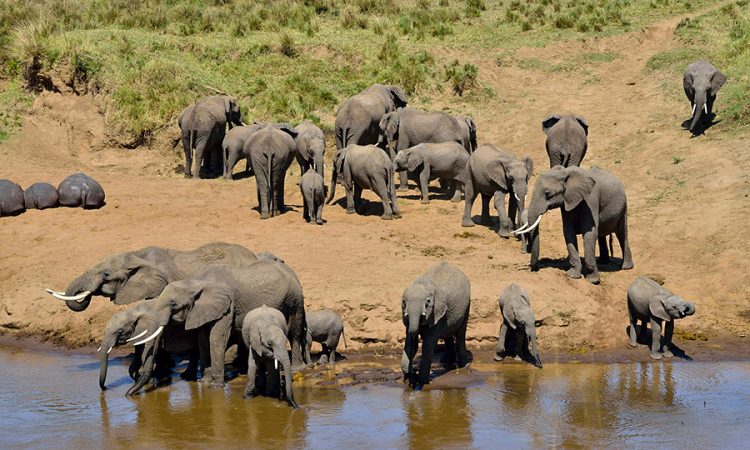
Another highlight in the list of top animals in Serengeti is the African elephant. These gentle giants traverse large areas in search of water and food, often moving in family units led by a matriarch. The Serengeti’s elephant population, while smaller than in other parks such as Tarangire, is notable for its adaptability and presence across various habitats, from open savannahs to woodland areas. Visitors guided by Kilimanjaro Safaris Champions can learn how to track elephant movements safely and interpret signs such as footprints, feeding damage, and vocalizations.
Elephants play a crucial role in the ecosystem by modifying vegetation, creating water access points, and providing habitats for smaller animals. For tourists, witnessing elephants’ daily behaviors—bathing in mud, interacting socially, or moving in herds—is unforgettable. Understanding their migration patterns and habitat preferences is key to including them in your safari itinerary, reinforcing why knowing the top animals in Serengeti is essential for maximizing the experience.
Giraffes – Tall Sentinels of the Savanna
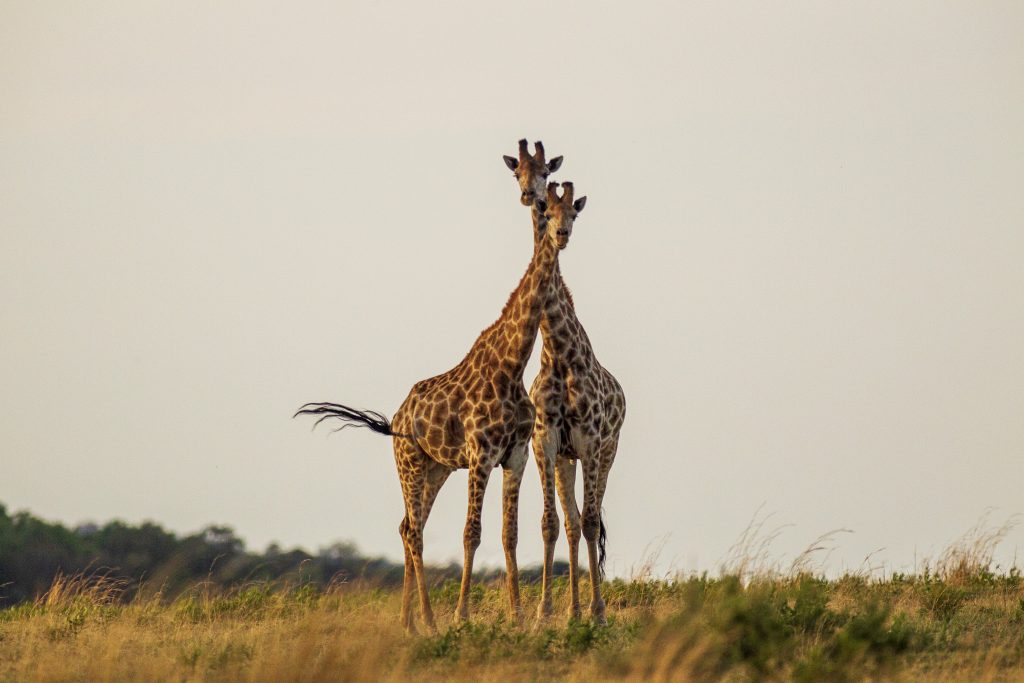
Giraffes are among the most recognizable creatures on the Serengeti plains. Their towering stature, long necks, and elegant movements make them a favorite for photographers. As browsers, they feed on leaves high in the acacia trees, often avoiding competition with smaller herbivores. For visitors seeking the top animals in Serengeti, giraffes offer not just visual delight but also an educational perspective on adaptation and evolution.
Giraffes exhibit social behavior that can vary seasonally. They are usually found in small groups or loosely associated herds, and during the dry season, their distribution is influenced by water availability and food sources. Guides from Kilimanjaro Safaris Champions provide insights into these patterns, highlighting ideal viewing times and locations. Observing giraffes interact with other wildlife, such as elephants or zebras, underscores the interconnectedness of Serengeti species and the importance of expert-guided safaris.
Wildebeest and the Great Migration

Perhaps the most dramatic event in the Serengeti is the Great Migration, involving over a million wildebeest alongside zebras and gazelles. These herbivores are essential to the ecosystem and are central to the concept of top animals in Serengeti. Their seasonal movement from the southern plains to northern regions in search of fresh grazing attracts predators and shapes the landscape dynamically.
Witnessing river crossings during the migration is among the most sought-after safari experiences. Predators such as crocodiles and lions exploit these moments, creating intense interactions that exemplify the raw drama of nature. Visitors guided by Kilimanjaro Safaris Champions receive real-time updates on herd locations, ensuring that the experience is safe, ethical, and optimized for observation. Understanding wildebeest behavior—migration timing, calving periods, and herd dynamics—is critical for planning your trip around the top animals in Serengeti.
Leopards, Cheetahs, and Other Predators

The Serengeti is home to an array of elusive predators. Leopards, known for their stealth, often inhabit rocky outcrops and trees, making sightings rare but rewarding. Cheetahs, masters of speed, patrol open plains during daylight hours in pursuit of smaller herbivores. Hyenas, jackals, and wild dogs also play important ecological roles.
Professional safari guides from Kilimanjaro Safaris Champions have developed the expertise to track these predators, identify signs of presence such as tracks, scat, and markings, and position travelers for optimal viewing without disturbing natural behaviors. These predators are a core part of understanding the top animals in Serengeti, as they maintain balance within the ecosystem and provide some of the most thrilling encounters for visitors.
Birds, Reptiles, and Lesser-Known Species

While mammals dominate safari imagery, birds and reptiles significantly contribute to the Serengeti’s biodiversity. From the Secretary bird hunting snakes on the plains to Nile crocodiles waiting along riverbanks, these species enrich the ecosystem. For birdwatchers and naturalists, observing the seasonal influx of migratory species, raptors, and waterfowl adds another dimension to understanding the top animals in Serengeti.
Guides from Kilimanjaro Safaris Champions often point out smaller species, explain ecological interactions, and educate visitors about conservation initiatives. These encounters highlight the importance of guided tours, as many fascinating creatures are easy to overlook without expert guidance.
Planning Your Safari with Kilimanjaro Safaris Champions
Choosing the top animals in Serengeti to see depends on season, location, and expertise. Professional safari operators like Kilimanjaro Safaris Champions provide tailored itineraries, ensuring travelers experience iconic wildlife and hidden gems alike. Their in-depth knowledge of animal behavior, park geography, and seasonal patterns allows visitors to maximize sightings, photograph spectacular moments, and understand ecological interactions.
By working with Kilimanjaro Safaris Champions, travelers gain access to:
- Optimal safari routes based on seasonal wildlife patterns
- Expert-led game drives emphasizing safety and ecological respect
- Insights into lesser-known species and conservation initiatives
- Support in selecting lodges or mobile camps strategically located near wildlife hotspots
Conclusion
The Serengeti offers unparalleled wildlife experiences, from lions and elephants to giraffes, wildebeest, and elusive predators. Understanding the top animals in Serengeti enriches any safari adventure, particularly when guided by Kilimanjaro Safaris Champions. Expert knowledge, ethical practices, and logistical support ensure that every visitor witnesses nature in its purest form, making a safari both educational and unforgettable.
Habitats, Migration Routes, and Seasonal Highlights of the Top Animals in Serengeti

The Serengeti is a vast and diverse ecosystem encompassing grasslands, woodlands, riverine forests, kopjes (rocky outcrops), and marshlands. Each habitat supports unique wildlife communities, making it essential for visitors to understand where the top animals in Serengeti are most likely to be found during different times of the year. Proper planning enhances wildlife sightings, ensures safety, and allows travelers to capture unforgettable moments. For those seeking an exceptional experience, partnering with a professional safari operator such as Kilimanjaro Safaris Champions is invaluable. Their local expertise allows guests to explore habitats efficiently, identify animal behaviors, and navigate seasonal challenges.
The Southern Plains: Calving Grounds and Predator Interactions
The southern Serengeti, including Ndutu and the Ngorongoro Conservation Area borders, is renowned for hosting the calving season of the Great Migration, typically between January and March. During this period, thousands of wildebeest give birth, attracting a wide variety of predators such as lions, hyenas, and cheetahs. These interactions make the southern plains an essential area to witness some of the top animals in Serengeti in action.
Guided by Kilimanjaro Safaris Champions, travelers can locate areas where predator-prey dynamics are most visible without disturbing the animals. Observing lion prides stalking newborn wildebeest or cheetahs using stealth in open grasslands offers insights into survival strategies and ecological balance. The southern plains’ open landscapes provide excellent photographic opportunities, particularly during sunrise and sunset when lighting highlights the golden savannah and the activity of animals.
Beyond predators, the southern plains host resident herbivores such as elephants, zebras, gazelles, and wildebeest. During the calving season, the density of wildlife creates dynamic scenes, showcasing the intricate relationships between predators, herbivores, and the landscape itself. Understanding these seasonal highlights is a key reason why guided safaris with Kilimanjaro Safaris Champions are recommended when exploring the top animals in Serengeti.
Western Corridor and Grumeti River: Dry Season Havens
From June to October, much of the Serengeti enters its dry season. The western corridor, including the Grumeti River, becomes a central hub for wildlife due to the concentration of water sources. Crocodile-infested rivers and surrounding woodlands attract herds of wildebeest, zebras, and other herbivores, drawing predators into predictable hunting zones.
The dry season is ideal for visitors seeking clear, uninterrupted wildlife observation. Lions lounge near riverbanks, leopards hide in dense thickets, and cheetahs patrol open plains. Kilimanjaro Safaris Champions guides position guests in areas with maximum visibility while maintaining safe distances, providing opportunities to photograph or study animals without interference. These months are also excellent for observing smaller species, including jackals, mongooses, and a variety of birdlife that congregates near rivers and watering holes.
Knowing seasonal migration patterns is essential for anyone aiming to witness the top animals in Serengeti. The Grumeti River crossings, for instance, provide iconic moments where wildebeest courageously navigate crocodile-infested waters. These dramatic scenes require precise timing, expert guidance, and careful planning—all services provided by Kilimanjaro Safaris Champions.
Northern Serengeti and Mara River: Epic Migration Crossings
The northern Serengeti, stretching into the Mara River, hosts one of the most dramatic wildlife spectacles on Earth: the river crossings of the Great Migration. From July to September, wildebeest and zebras face the challenge of navigating crocodile-laden waters while evading predators on the banks. This period offers unmatched opportunities to witness some of the top animals in Serengeti in high-intensity interactions.
Professional guides from Kilimanjaro Safaris Champions carefully monitor river conditions, herd locations, and predator movements to ensure travelers experience these events safely and ethically. Understanding the timing of these crossings is critical: a slight miscalculation could result in missing the spectacle entirely. The northern Serengeti also features kopjes—rocky outcrops that provide vantage points for spotting elusive leopards, hyenas, and other predators, further emphasizing why expert guidance is invaluable.
In addition to the dramatic crossings, the northern region supports resident species including elephants, giraffes, and buffaloes. The combination of migratory dynamics and resident wildlife makes this area a must-visit for anyone aiming to fully experience the top animals in Serengeti.
Woodlands and Riverine Habitats: Hidden Gems
Beyond the open plains, the Serengeti’s woodlands, riverine forests, and marshlands support diverse wildlife. Elephants use riverine corridors for food and water, while predators utilize dense cover for hunting and shelter. Hippos inhabit rivers and pools, and numerous bird species breed in these habitats during wet seasons.
Travelers guided by Kilimanjaro Safaris Champions gain access to these less-visited areas, discovering species that many casual tourists overlook. From monitoring hippo behavior at dusk to observing bird nesting patterns, exploring woodland habitats adds depth to a safari experience. Understanding the nuances of these ecosystems helps visitors identify and appreciate the top animals in Serengeti beyond the obvious headline species.
These habitats are also critical for seasonal planning. Wet season rains transform marshlands into vibrant ecological zones, attracting migratory birds, amphibians, and insects, which in turn support predators and herbivores. By aligning itineraries with seasonal changes, Kilimanjaro Safaris Champions ensures that travelers witness the Serengeti at its ecological peak.
Seasonal Wildlife Behavior and Viewing Strategies
Animal activity in the Serengeti is highly seasonal. During the wet season (November–May), wildlife disperses widely across the plains due to abundant water and grazing. Predators are more scattered, and herbivore densities are lower, making sightings less predictable but often more intimate. Guides from Kilimanjaro Safaris Champions use their understanding of animal behavior, tracks, and terrain features to locate animals effectively.
Conversely, the dry season concentrates wildlife near rivers and waterholes, providing more predictable sightings and excellent photographic conditions. Visitors can anticipate interactions between predators and prey, witness herd gatherings, and observe interspecies dynamics at close range. Timing a visit based on seasonal behavior is key to maximizing encounters with the top animals in Serengeti.
Conservation and Ecological Insights
Understanding the Serengeti’s habitats and seasonal dynamics also highlights conservation priorities. Areas like the Grumeti Reserve and Ngorongoro Conservation Area play critical roles in protecting migratory routes and resident wildlife populations. Expert guides from Kilimanjaro Safaris Champions educate visitors about anti-poaching efforts, habitat preservation, and the delicate balance of predator-prey relationships.
This focus on conservation enhances the safari experience by providing context for why these animals behave as they do, why certain areas are restricted, and how travelers can minimize their ecological footprint. Such insights are invaluable for anyone seeking to truly appreciate the top animals in Serengeti.
Planning Your Safari Routes
Expertly planned safari routes make the difference between fleeting glimpses and immersive wildlife encounters. Kilimanjaro Safaris Champions design itineraries that balance terrain accessibility, seasonal wildlife distribution, and visitor priorities. Routes often include:
- Southern plains for calving season and predator-prey observation
- Western corridor and Grumeti River for dry-season concentrations
- Northern Serengeti and Mara River for river crossings and kopje vantage points
- Woodland and marshland excursions for less obvious species and birding
By understanding the geography and ecological dynamics of these regions, travelers can ensure they see a comprehensive range of species, making the safari experience both memorable and educational. This strategic planning demonstrates why professional operators are essential for witnessing the top animals in Serengeti.
These resources complement expert guidance and provide detailed maps, species information, and seasonal insights for travelers planning their safari.
Conclusion
The Serengeti’s diverse habitats, migration routes, and seasonal patterns make it one of the most dynamic wildlife destinations in the world. From the southern plains’ calving grounds to the northern river crossings, each region offers unique opportunities to observe the top animals in Serengeti. Working with Kilimanjaro Safaris Champions ensures travelers navigate these landscapes efficiently, witness iconic wildlife moments safely, and gain ecological insights that enrich the safari experience. Understanding habitats and seasonal behavior is not just about spotting animals—it’s about connecting with the Serengeti on a deeper level, creating memories that last a lifetime.Predators, Herbivores, and Lesser-Known Species of the Serengeti
The Serengeti ecosystem is a finely balanced network of species, each playing a unique role in maintaining ecological stability. Understanding the top animals in Serengeti requires an in-depth look at not only the iconic predators and herbivores but also the lesser-known species that contribute to the park’s biodiversity. For travelers aiming for a comprehensive wildlife experience, professional guidance from Kilimanjaro Safaris Champions ensures that every encounter is meaningful, safe, and educational.
Apex Predators: Lions, Leopards, and Cheetahs
The Serengeti’s apex predators are the most sought-after wildlife on any safari. Lions, often referred to as the kings of the plains, dominate the open savannah. Prides are social units, typically consisting of related females, their cubs, and coalitions of males. Lions exhibit cooperative hunting, complex social hierarchies, and territory management, which are fascinating for visitors seeking to witness the top animals in Serengeti.
Leopards, in contrast, are solitary and elusive. They prefer rocky outcrops known as kopjes or dense woodland for cover. Their stealth, tree-climbing abilities, and nocturnal hunting habits make them challenging to spot without expert guidance. Cheetahs, the fastest land animals on Earth, hunt in open grasslands, relying on speed and agility to capture prey such as gazelles and impalas. Each predator contributes uniquely to the Serengeti’s ecological balance, and their interactions with prey provide dramatic, educational, and photographic opportunities.
Travelers guided by Kilimanjaro Safaris Champions benefit from experienced trackers who interpret spoor, monitor predator movements, and position safari vehicles safely. This expertise ensures that guests witness the top animals in Serengeti without disturbing natural behavior, allowing for ethical and rewarding wildlife encounters.
Herbivores: Wildebeest, Zebras, and Buffalo
Herbivores form the foundation of the Serengeti food chain. Wildebeest, zebras, and buffalo are among the top animals in Serengeti due to their role in supporting predator populations and shaping the grassland ecosystem. Wildebeest participate in the Great Migration, traveling in vast herds exceeding one million individuals. Their synchronized movement with rainfall and grass growth drives predator-prey dynamics, making them central to the Serengeti’s ecological rhythm.
Zebras, often traveling alongside wildebeest, provide visual contrast with their black-and-white stripes and also assist in predator detection, acting as sentinels due to their heightened alertness. Buffaloes, on the other hand, move in large herds and exhibit remarkable resilience against predation, demonstrating both strength and social coordination. Expert guides from Kilimanjaro Safaris Champions help visitors understand these behaviors, seasonal patterns, and interactions, ensuring that travelers witness the top animals in Serengeti in action.
Giraffes and Elephants: Gentle Giants
Giraffes and elephants are iconic Serengeti species, often referred to as the gentle giants. Giraffes feed on high tree canopies, minimizing competition with smaller herbivores while demonstrating unique adaptations such as long tongues and specialized circulatory systems. Elephants are keystone species, altering vegetation, creating water access points, and maintaining pathways for smaller wildlife.
Observing these species provides insights into ecosystem engineering and interspecies interactions. During dry months, elephants concentrate near water sources, offering reliable viewing opportunities. Giraffes, while more evenly distributed, can be seen interacting with other species and showcasing seasonal behaviors. Travelers guided by Kilimanjaro Safaris Champions benefit from expert tracking and positioning, ensuring that the top animals in Serengeti are encountered safely and meaningfully.
Lesser-Known Species: Hyenas, Wild Dogs, and Small Mammals
While the Serengeti’s large mammals often dominate attention, smaller or less conspicuous species play equally important ecological roles. Hyenas are skilled hunters and scavengers, often working in clans to track prey or exploit opportunities created by other predators. African wild dogs, though endangered, are highly social, cooperative hunters whose presence is critical to the balance of smaller herbivore populations.
Smaller mammals such as mongoose, warthogs, and various rodent species contribute to nutrient cycling, seed dispersal, and food availability for larger predators. Reptiles, including Nile crocodiles and monitor lizards, occupy rivers and marshes, impacting prey populations and ecosystem health. Understanding these species is essential to truly appreciating the top animals in Serengeti, and guides from Kilimanjaro Safaris Champions provide educational commentary on behavior, habitat preferences, and conservation status.
Birds of the Serengeti
Birdlife is a fascinating component of the Serengeti ecosystem. Raptors such as martial eagles and bateleur hawks hunt smaller mammals, while migratory species, including storks and cranes, arrive seasonally to exploit abundant resources. Secretary birds patrol open grasslands hunting snakes and insects, and colorful species like lilac-breasted rollers enhance the visual richness of the landscape.
Kilimanjaro Safaris Champions trains guides to identify key bird species, note seasonal arrivals, and explain ecological roles, allowing travelers to include avian observations as part of their appreciation of the top animals in Serengeti. Birdwatching in conjunction with larger mammal viewing enriches the safari experience, creating multi-layered encounters with nature.
Seasonal Dynamics of Predators and Prey
The Serengeti ecosystem is shaped by seasonal rainfall patterns. During the wet season, food abundance leads to dispersed herbivore populations, which in turn affects predator distribution. Dry months concentrate animals near rivers, providing predictable viewing but also intensifying competition and predator-prey interactions.
Guided by Kilimanjaro Safaris Champions, travelers can plan itineraries to coincide with peak activity periods for the top animals in Serengeti, whether observing hunting strategies during dry season concentrations or witnessing migration calving events in the southern plains. Understanding these seasonal dynamics ensures that every safari day is optimized for both wildlife encounters and comfort.
Conservation and Ethical Safari Practices
Observing the top animals in Serengeti responsibly requires awareness of conservation principles. Parks and reserves have rules regarding vehicle proximity, off-road driving, and interaction with wildlife. Poaching, habitat degradation, and climate change pose ongoing threats to species survival.
Kilimanjaro Safaris Champions integrates conservation education into their safari programs, explaining the importance of preserving migratory corridors, protecting endangered species such as African wild dogs, and respecting local communities. Ethical tourism practices enhance visitor experience while safeguarding the Serengeti’s biodiversity for future generations.
Safari Planning Tips for Observing Diverse Species
- Schedule game drives during early mornings or late afternoons for optimal predator activity and lighting.
- Use professional guides to interpret tracks, spoor, and behavior patterns.
- Explore multiple habitats: plains, woodlands, rivers, and kopjes.
- Consider seasonal timing: calving season, migration, and dry-season concentrations.
- Prioritize ethical wildlife viewing: maintain distance, avoid disturbing animals, and follow park regulations.
Travelers who plan with Kilimanjaro Safaris Champions gain structured itineraries that maximize encounters with the top animals in Serengeti, combining educational insights, photographic opportunities, and memorable wildlife experiences.
Conclusion
The Serengeti’s rich tapestry of predators, herbivores, and lesser-known species defines why it is one of the world’s premier wildlife destinations. Understanding the top animals in Serengeti requires a holistic approach that considers habitat, behavior, and ecological interactions. Partnering with Kilimanjaro Safaris Champions ensures that travelers experience every facet of the ecosystem safely, ethically, and memorably. Through expert-led safaris, visitors gain insights into complex predator-prey dynamics, witness dramatic seasonal migrations, and develop a deep appreciation for the intricate balance of life on the Serengeti plains.
Unique Behaviors, Interactions, and Safari Planning Strategies for the Top Animals in Serengeti

The Serengeti ecosystem is a living laboratory of wildlife interactions. For visitors aiming to witness the top animals in Serengeti, understanding the unique behaviors and ecological interactions of species enhances every safari experience. Beyond simply observing animals, travelers can gain insights into predator-prey dynamics, social hierarchies, migration patterns, and ecological strategies that have evolved over millennia. Partnering with an expert operator such as Kilimanjaro Safaris Champions ensures that every observation is enriched with knowledge, safely guided, and ethically conducted.
Social Structures and Behavior of Lions
Lions in the Serengeti are perhaps the most emblematic of all African predators. The complex social structure of lion prides is central to understanding why they succeed as apex predators. Prides usually consist of related females, their cubs, and a coalition of males. Female lions are the primary hunters, coordinating group strategies to capture prey ranging from zebras to wildebeest. Males defend territory, protect cubs, and compete with rival coalitions for dominance.
Visitors guided by Kilimanjaro Safaris Champions often witness coordinated hunting behaviors, cub-rearing practices, and territorial displays, which are difficult to interpret without expert insights. Observing lions hunting during calving season or interacting with neighboring prides highlights the intricate social behaviors that make lions one of the most fascinating top animals in Serengeti.
Leopards and Cheetahs: Masters of Stealth and Speed
Leopards are solitary, nocturnal, and elusive, making sightings rare but rewarding. They use rocky outcrops, trees, and dense thickets for cover, employing stealth to hunt antelopes and small mammals. Cheetahs, by contrast, are diurnal hunters relying on exceptional speed to capture prey. Understanding these strategies requires knowledge of terrain, wind direction, and prey behavior.
Kilimanjaro Safaris Champions guides are trained to interpret subtle signs such as tracks, droppings, and territorial markings, allowing travelers to witness these predators without disturbance. Spotting leopards in trees or cheetahs sprinting across plains provides a dramatic contrast to lion behaviors and demonstrates the diversity of predatory adaptations. These encounters illustrate why studying the top animals in Serengeti goes beyond casual observation.
Herbivore Interactions: Grazers and Browsers
The Serengeti’s herbivores interact in dynamic and complex ways. Wildebeest, zebras, and gazelles often travel together in mixed herds, offering protection through numbers. Their synchronized movements during migration reduce predation risk while maximizing access to fresh grazing. Giraffes, as browsers, feed at heights inaccessible to other herbivores, reducing competition and maintaining tree health. Buffaloes move in tightly coordinated herds, defending against predators with sheer strength.
Guided safaris with Kilimanjaro Safaris Champions provide insights into these interactions, helping visitors understand how these species coexist and influence one another. Observing grazing patterns, predator avoidance strategies, and social hierarchies allows travelers to appreciate the Serengeti as a dynamic, interconnected ecosystem. Identifying the top animals in Serengeti involves noting not only individual species but also how they interact within their communities.
Migration Dynamics and River Crossings
The Great Migration is one of the most spectacular natural phenomena on Earth. Over one million wildebeest, along with hundreds of thousands of zebras and gazelles, traverse the Serengeti in search of fresh grass and water. These movements create predictable patterns for predators, resulting in dramatic interactions.
River crossings, particularly across the Mara and Grumeti Rivers, are intense events. Crocodiles lie in wait, lions and hyenas hunt along riverbanks, and thousands of animals navigate treacherous waters. Visitors guided by Kilimanjaro Safaris Champions can safely witness these crossings while learning about the timing, strategy, and survival instincts of the migrating species. Understanding these patterns is central to planning trips focused on the top animals in Serengeti.
Unique Behavioral Traits of Elephants and Giraffes
Elephants are highly intelligent, exhibiting social complexity and long-term memory. Herds are matriarchal, with older females leading group movements, choosing water sources, and teaching young calves survival skills. Observing elephants demonstrates problem-solving, communication, and empathy among animals, offering visitors profound ecological insights.
Giraffes use their height advantage not only to browse foliage but also as sentinels, detecting predators from afar. Their necking behavior—combat between males—reveals social hierarchies and mating strategies. Expert guides from Kilimanjaro Safaris Champions help interpret these behaviors, ensuring that travelers witness not just the presence of the top animals in Serengeti, but also their ecological intelligence and social complexity.
Birdlife and Smaller Creatures
While mammals often dominate safari itineraries, the Serengeti’s birds, reptiles, and small mammals contribute critically to the ecosystem. Birds such as secretary birds hunt snakes and insects, raptors patrol the skies, and migratory species utilize seasonal resources. Crocodiles regulate aquatic ecosystems, and small mammals like warthogs and mongoose play vital roles in nutrient cycling and prey availability.
Kilimanjaro Safaris Champions ensures that safari-goers notice these less obvious species, highlighting the ecological web connecting predators, herbivores, and smaller organisms. Witnessing these interactions emphasizes the importance of biodiversity and offers a more comprehensive understanding of the top animals in Serengeti.
Seasonal Planning and Safari Optimization
Timing a safari is critical for observing specific behaviors. The wet season disperses animals, offering intimate encounters but requiring more travel to locate species. The dry season concentrates animals, making it easier to witness predator-prey interactions and large gatherings. Understanding these seasonal trends is crucial for maximizing wildlife sightings.
Kilimanjaro Safaris Champions crafts itineraries based on detailed ecological knowledge, including rainfall patterns, migration timing, and predator activity. Travelers are guided to optimal viewing locations, ensuring they witness iconic behaviors while minimizing disturbance to wildlife. Proper planning allows visitors to focus on the top animals in Serengeti and understand their interactions fully.
Ethical Wildlife Viewing and Conservation Education
Observing wildlife responsibly is essential for long-term ecosystem health. The Serengeti faces threats from poaching, habitat loss, and climate change. Guides from Kilimanjaro Safaris Champions educate visitors about conservation initiatives, anti-poaching measures, and sustainable tourism practices. Ethical viewing involves maintaining safe distances, minimizing noise, and respecting animal behavior.
By following these principles, travelers not only enjoy the top animals in Serengeti but also contribute to preserving the park for future generations. Knowledge about animal behavior and conservation deepens appreciation and encourages responsible travel practices.
Safari Photography and Observation Techniques
Capturing the perfect wildlife photograph requires patience, timing, and understanding animal behavior. Lions are most active during early morning and late afternoon, while cheetahs rely on open visibility to hunt. Elephants and giraffes provide opportunities for observing interactions and social behavior.
Kilimanjaro Safaris Champions guides assist travelers in identifying ideal locations, lighting conditions, and angles for photography without disturbing animals. These techniques ensure that visitors capture meaningful moments with the top animals in Serengeti while maintaining ethical practices.
Planning Multi-Day Safari Itineraries
Maximizing encounters with the Serengeti’s wildlife often requires multi-day itineraries covering various habitats:
- Southern plains: calving season and predator-prey interactions
- Western corridor: Grumeti River crossings and dry-season concentrations
- Northern Serengeti: Mara River crossings and kopje observations
- Woodland and marshland excursions: birdlife and smaller mammals
Kilimanjaro Safaris Champions designs itineraries that balance travel logistics, seasonal wildlife patterns, and guest priorities. This ensures that every day is optimized for viewing, photography, and educational enrichment.
Conclusion
Understanding the unique behaviors, social interactions, and seasonal dynamics of the top animals in Serengeti transforms a safari from simple observation to an immersive ecological experience. Partnering with Kilimanjaro Safaris Champions ensures that travelers witness wildlife responsibly, safely, and meaningfully. From apex predators to herbivores, and from elusive leopards to lesser-known birds, every species contributes to the Serengeti’s extraordinary ecological tapestry. Expert guidance, ethical practices, and strategic planning allow visitors to fully appreciate this iconic ecosystem, making every safari moment unforgettable.
Safari Tips, Visitor Experiences, and Why Kilimanjaro Safaris Champions is Your Ultimate Guide to the Top Animals in Serengeti
Exploring the Serengeti to witness the top animals in Serengeti is a dream for wildlife enthusiasts worldwide. However, to fully appreciate this extraordinary ecosystem, careful planning, expert guidance, and a deep understanding of wildlife behavior are essential. The Serengeti is vast, and wildlife movement is influenced by seasonal migrations, water availability, and predator-prey dynamics. Without proper expertise, visitors may miss key encounters or misinterpret animal behaviors. This is where partnering with Kilimanjaro Safaris Champions makes a significant difference. Their decades of experience, local knowledge, and dedication to ethical safari practices ensure a seamless, enriching, and unforgettable experience.
The Importance of Expert Safari Guides
A knowledgeable safari guide can transform a standard wildlife excursion into a profound learning experience. Expert guides from Kilimanjaro Safaris Champions are trained not only in wildlife tracking but also in ecological education. They can identify animal tracks, interpret behavioral cues, and anticipate predator-prey interactions. This ensures that travelers witness the top animals in Serengeti at the right time, in the right habitat, and in a way that prioritizes safety and ethical viewing.
Additionally, guides provide context about each species’ ecological role, social structures, and conservation status. For example, spotting a cheetah hunting during daylight is a remarkable opportunity, but understanding its adaptations, hunting strategy, and population challenges adds a layer of appreciation that casual observation cannot provide. By emphasizing education alongside observation, Kilimanjaro Safaris Champions ensures visitors leave with not just photos, but knowledge and a deeper connection to the Serengeti ecosystem.
Optimal Safari Timing and Seasonal Planning
To maximize wildlife sightings, it’s essential to align your safari with seasonal wildlife patterns. The Serengeti has two main seasons: wet and dry. During the wet season (November–May), the plains are lush and green, dispersing wildlife across vast areas. While sightings can be less predictable, visitors may enjoy intimate encounters with smaller species, newborns, and birdlife.
During the dry season (June–October), animals concentrate near water sources, making it easier to observe predator-prey interactions and large herbivore herds. Key highlights include wildebeest and zebra river crossings at the Mara and Grumeti Rivers. Professional planning with Kilimanjaro Safaris Champions ensures that travelers schedule their safaris to coincide with these events, guaranteeing encounters with the top animals in Serengeti at their most active and dramatic moments.
Safari Vehicles and Photography Considerations
Serengeti safaris often utilize specialized 4×4 vehicles designed for optimal wildlife viewing. Open-sided vehicles provide unobstructed views and photography opportunities. Guides from Kilimanjaro Safaris Champions know the best vantage points and positioning to capture dramatic animal interactions safely.
Photographers benefit from guidance on lighting, angles, and animal behavior. For instance, lions are most active during early mornings and late afternoons, providing ideal soft light conditions. Observing elephants at waterholes during midday can reveal unique social interactions and behavioral patterns. Planning itineraries with Kilimanjaro Safaris Champions ensures that every safari moment is both safe and photographically rewarding, highlighting the top animals in Serengeti in their natural glory.
Unique Experiences with Top Animals in Serengeti
Safari-goers often seek encounters that go beyond mere sightings. Observing lion prides during hunts, tracking leopards to their resting spots, witnessing wildebeest river crossings, and watching elephant families interact provide memorable experiences that illustrate the Serengeti’s ecological richness.
Kilimanjaro Safaris Champions specializes in curating experiences tailored to each visitor’s interests, whether focusing on predators, herbivores, or birdlife. They emphasize ethical viewing, minimizing disturbance while maximizing wildlife engagement. These curated experiences allow travelers to witness the top animals in Serengeti in authentic contexts, fostering understanding, appreciation, and conservation awareness.
Accommodation and Safari Logistics
Choosing the right accommodations enhances a safari’s quality. Options range from luxury lodges to tented camps situated strategically within the Serengeti. Staying close to wildlife-rich areas reduces travel time and increases the likelihood of observing the top animals in Serengeti during critical activity periods.
Kilimanjaro Safaris Champions handles all logistics, from accommodation selection to game drive scheduling, ensuring that guests spend more time experiencing wildlife and less time navigating complex travel arrangements. Their attention to detail guarantees comfort, convenience, and safety while maintaining immersive, close-to-nature experiences.
Conservation and Ethical Wildlife Practices
Sustainable tourism is at the heart of modern safaris. The Serengeti faces challenges such as poaching, habitat degradation, and human-wildlife conflict. Ethical safari practices ensure that tourism contributes positively to conservation efforts.
Kilimanjaro Safaris Champions integrates conservation education into their programs, teaching travelers about species protection, migratory corridor preservation, and ecosystem sustainability. Observing the top animals in Serengeti responsibly means maintaining safe distances, adhering to park regulations, and supporting local conservation initiatives. These practices not only protect wildlife but also enhance the authenticity and safety of the safari experience.
Tailored Itineraries for Diverse Interests
Every traveler’s interests differ, and a tailored itinerary ensures a personalized experience. Some may prioritize big cats, while others focus on birdwatching, photography, or ecological study. Kilimanjaro Safaris Champions designs flexible itineraries that balance wildlife viewing, educational enrichment, and leisure. This approach maximizes encounters with the top animals in Serengeti while catering to individual preferences.
Multi-day safaris provide the opportunity to explore multiple ecosystems, including southern calving plains, western corridor rivers, northern Mara regions, and woodland areas. By diversifying locations and activities, travelers gain a holistic understanding of the Serengeti’s biodiversity.
Tips for Maximizing Wildlife Encounters
- Early Morning and Late Afternoon Drives: Wildlife is most active during these periods.
- Patience and Observation: Many species require careful observation to notice subtle behaviors.
- Communication with Guides: Inform guides about your priorities to tailor sightings.
- Photography Preparation: Use appropriate lenses, understand lighting conditions, and follow ethical guidelines.
- Adaptability: Wildlife movement is unpredictable; flexibility increases chances of remarkable encounters.
With guidance from Kilimanjaro Safaris Champions, travelers can implement these strategies effectively, ensuring that sightings of the top animals in Serengeti are frequent, safe, and educational.
Community Engagement and Cultural Experiences
A comprehensive Serengeti safari also includes interactions with local communities. Many itineraries incorporate visits to Maasai villages, where visitors learn about traditional practices, coexistence with wildlife, and community-led conservation efforts. These experiences add cultural context to wildlife observation and highlight the human-wildlife relationship.
Kilimanjaro Safaris Champions collaborates closely with local communities to support sustainable tourism, ensuring that safaris benefit both wildlife and people. Travelers gain a broader understanding of the Serengeti ecosystem and the social factors that influence conservation success.
Why Kilimanjaro Safaris Champions Stands Out
What sets Kilimanjaro Safaris Champions apart is their dedication to personalized service, ecological education, and ethical wildlife observation. Their guides combine decades of local experience with formal training in ecology, animal behavior, and safety protocols. Every itinerary is meticulously planned to maximize encounters with the top animals in Serengeti, whether witnessing lion hunts, cheetah chases, wildebeest migrations, or elephant family interactions.
Clients benefit from:
- Expertly crafted safari routes
- Ethical and conservation-focused practices
- Personalized wildlife education
- Flexible multi-day itineraries
- Accommodation and logistics management
This level of service ensures that travelers experience the Serengeti comprehensively, safely, and meaningfully, creating memories that last a lifetime.
The Serengeti offers a wildlife experience unmatched anywhere else on Earth. Observing the top animals in Serengeti requires more than luck; it demands planning, expertise, and ethical engagement with nature. Kilimanjaro Safaris Champions provides all of this and more, guiding visitors through habitats, highlighting seasonal patterns, and offering deep insights into animal behavior.
From apex predators to gentle giants, from birds to lesser-known species, every encounter is a chance to appreciate the complexity and beauty of this iconic ecosystem. Partnering with Kilimanjaro Safaris Champions ensures that every safari moment is optimized, educational, safe, and memorable. By integrating expert guidance, conservation awareness, and personalized itineraries, travelers can experience the Serengeti at its fullest, witnessing the top animals in Serengeti in ways that will stay with them for a lifetime.