
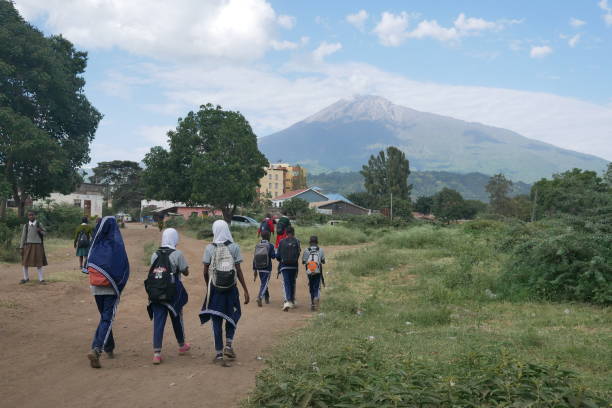
Discover the ultimate Arusha City Guide for 2026. Explore travel tips, culture, safari gateways, and must-visit attractions in Tanzania with Kilimanjaro Safaris Champions.
Arusha City is the heartbeat of Tanzania’s northern safari circuit, blending culture, adventure, and wildlife experiences. This complete Arusha City Guide helps international travelers explore the best attractions, travel tips, and hidden gems for 2026.
Quick Overview: Arusha City at a Glance
- Location: Northern Tanzania, gateway to safari parks
- Nearby landmarks: Mount Kilimanjaro, Mount Meru
- Known for: Safari capital of East Africa
- Airport: Kilimanjaro International Airport (JRO)
- Best for: Safaris, cultural tourism, adventure travel
Introduction: The Story of Arusha City (Immersive Travel Narrative)
Arusha is not just a city—it is a living gateway to Africa’s wild heart.
When you first arrive in Arusha, the air feels different. It carries a blend of mountain freshness from Mount Meru and distant whispers of wildlife roaming across the Serengeti plains. For many travelers, this is where the journey into Tanzania truly begins, yet Arusha itself deserves far more than just being a “stopover city.”
Imagine stepping out of Kilimanjaro International Airport after a long international flight. The warm Tanzanian breeze greets you, carrying the scent of earth, coffee farms, and distant acacia trees. A short drive later, the skyline of Arusha appears—framed by volcanic mountains, green valleys, and a vibrant urban rhythm.
This is the city where safari dreams are born.
For decades, Arusha has been known as the Safari Capital of East Africa, serving as the main hub for journeys into world-famous destinations like Serengeti National Park, Ngorongoro Crater, Lake Manyara, and Tarangire National Park. But beyond its role as a gateway, Arusha is a cultural mosaic—a place where Maasai traditions, Swahili heritage, and modern Tanzanian life intersect.
Walking through its streets, you will notice contrasts that make Arusha unforgettable:
- Luxury safari vehicles parked next to local street markets
- International travelers planning expeditions beside local coffee vendors
- Modern hotels rising near traditional craft shops selling handmade Maasai beads
One of the most fascinating aspects of Arusha is how it balances calmness with adventure. Early mornings often begin with the golden glow of Mount Meru dominating the skyline. Birds echo across the city, while safari guides prepare vehicles that will soon carry visitors deep into the wilderness.
As the day unfolds, Arusha becomes alive with energy. The Central Market fills with color—fruits, spices, fabrics, and voices blending into a rhythmic Tanzanian harmony. Tourists explore cultural heritage centers, while others prepare for life-changing safaris into the Serengeti.
But Arusha is not only about what lies beyond it—it is also about what it offers within it.
From coffee plantation tours to cultural villages, from bustling nightlife lounges to peaceful nature walks, Arusha invites travelers to slow down before the real adventure begins.
For international visitors, especially first-time safari travelers, Arusha becomes a place of preparation and anticipation. It is where itineraries are finalized, guides are met, and excitement builds for encounters with elephants, lions, and endless savannah horizons.
And yet, what surprises most travelers is this:
Arusha is not just a “starting point”—it is a destination worth exploring deeply.
This Arusha City Guide will help you uncover everything you need to know about this remarkable city in 2026—from cultural experiences and travel tips to must-visit places and insider advice from local experts like Kilimanjaro Safaris Champions.
Why Arusha is the Safari Capital of Africa
Arusha holds a strategic position in Tanzania’s tourism industry:
- Closest city to major national parks
- Headquarters for East African safari operations
- Strong tourism infrastructure
- Rich cultural diversity
Top Must-Visit Attractions in Arusha
> Arusha National Park
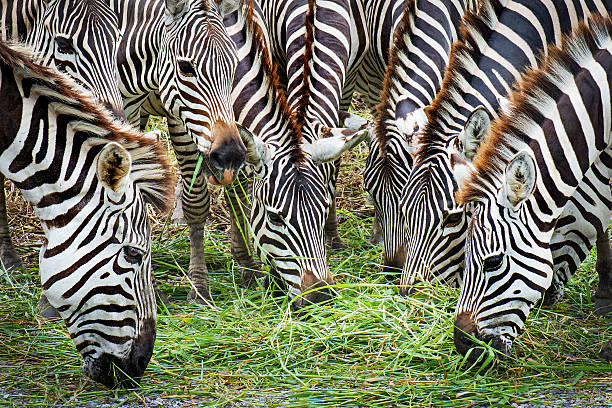
- Close to the city (45 minutes drive)
- Home to giraffes, colobus monkeys, flamingos
- Stunning views of Mount Meru
> Mount Meru
Mount Meru is one of Tanzania’s most iconic volcanic mountains and a defining landmark in the Arusha landscape. Standing at about 4,566 meters, it is the second-highest mountain in the country and often considered a hidden gem compared to its famous neighbor, Mount Kilimanjaro. For travelers exploring Arusha City, Mount Meru provides a breathtaking natural backdrop that shapes both the climate and scenery of the region.
The mountain is located within Arusha National Park, making it easily accessible for day hikes and wildlife viewing experiences. Its slopes are home to diverse ecosystems, ranging from lush montane forests filled with colobus monkeys and birds, to open alpine landscapes near the summit. This rich biodiversity makes it a favorite destination for hikers seeking a quieter and more intimate trekking experience compared to other major peaks in East Africa.
For visitors following this Arusha City Guide, Mount Meru is not only a scenic wonder but also a cultural and ecological treasure that offers panoramic views of Arusha town, nearby coffee plantations, and even Mount Kilimanjaro on clear days.
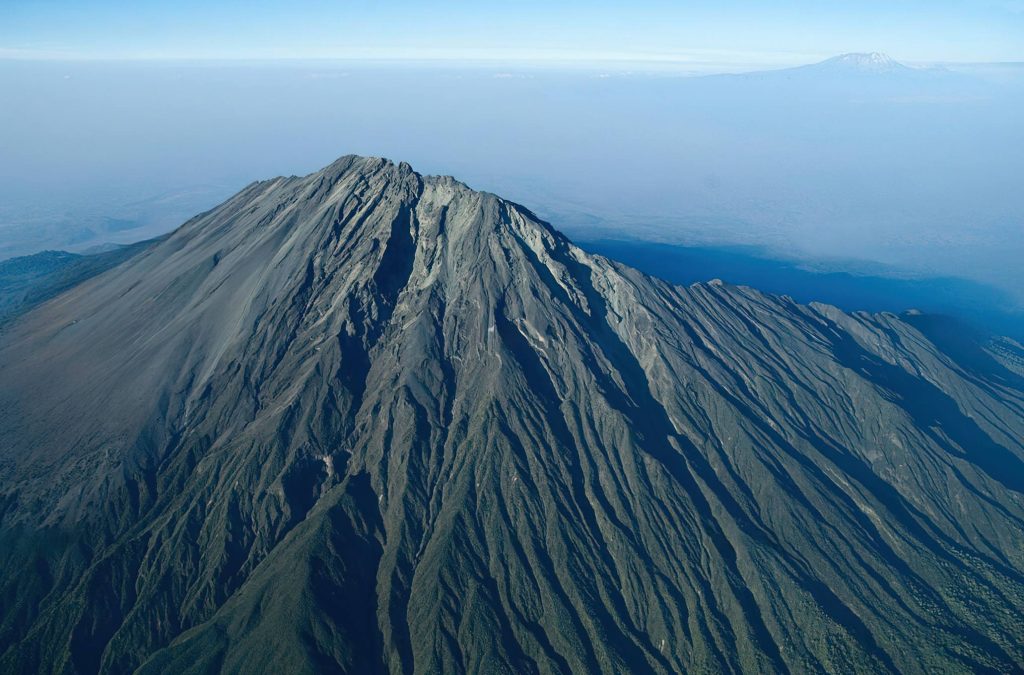
- Second highest mountain in Tanzania
- Ideal for trekking and acclimatization
- Less crowded than Kilimanjaro
> Maasai Market
The Maasai Market in Arusha is one of the most vibrant cultural shopping experiences featured in this Arusha City Guide. It is a colorful open-air market where local Maasai artisans and other Tanzanian craftspeople sell handmade jewelry, beadwork, carvings, textiles, and souvenirs that reflect the rich heritage of the region. Visitors can walk through rows of stalls filled with unique items while interacting directly with vendors, making it both a cultural and shopping experience. The market is not only a great place to buy authentic gifts but also a chance to experience the creativity, traditions, and warm hospitality of Tanzanian culture in the heart of Arusha.
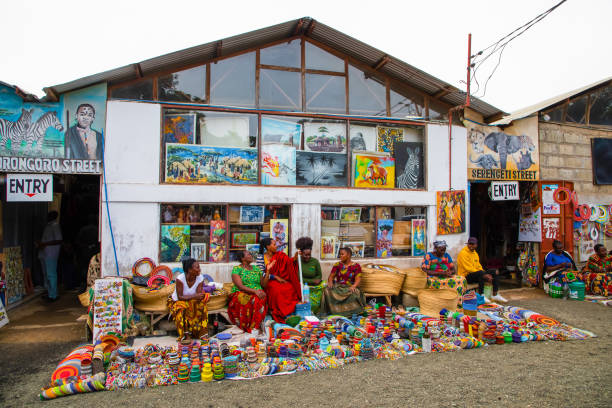
- Handmade crafts, jewelry, souvenirs
- Cultural interaction with Maasai artisans
> Arusha Coffee Plantations
Arusha Coffee Plantations are a must-visit highlight in this Arusha City Guide, offering travelers a rich insight into one of Tanzania’s most famous agricultural products. Located on the lush slopes surrounding Arusha, these plantations provide guided tours where visitors can learn the full coffee-making process—from planting and harvesting to roasting and brewing. The experience is both educational and sensory, ending with fresh tastings of locally grown Arabica coffee. Surrounded by green landscapes and views of Mount Meru, the coffee estates offer a peaceful escape from the city while showcasing the deep cultural and economic importance of coffee in northern Tanzania.
- Learn coffee production from bean to cup
- Tastings and farm tours available
Culture & Local Experience in Arusha
Arusha is a cultural intersection where multiple tribes and communities coexist:
- Maasai pastoral traditions
- Chagga coffee culture
- Swahili coastal influence
- Modern urban Tanzanian lifestyle
Cultural Tips:
- Always greet locals with “Jambo” or “Mambo”
- Respect traditional dress codes in rural areas
- Ask permission before taking photos
Travel Tips for International Tourists
> Best Time to Visit
- June to October (dry season, best for safaris)
- December to February (green season, fewer crowds)
> Currency
- Tanzanian Shilling (TZS)
- USD widely accepted in tourism sectors
> Safety
- Arusha is generally safe for tourists
- Use trusted safari operators like Kilimanjaro Safaris Champions
> Transport
- Private safari vehicles recommended
- Ride apps available in city center
Comparison Table: Arusha vs Other Safari Gateways
| Feature | Arusha | Nairobi | Dar es Salaam |
|---|---|---|---|
| Safari Access | Excellent | Good | Limited |
| Culture | Very rich | Urban blend | Coastal culture |
| Cost | Moderate | High | Moderate |
| Atmosphere | Relaxed adventure hub | Busy metropolis | Coastal city vibe |
Top Experiences You Shouldn’t Miss
- Hot air balloon safari over Serengeti
- Walking safari in Arusha National Park
- Cultural village tours
- Maasai village interaction
- Coffee tasting tours
- Sunset views of Mount Meru
Customer Experience Excerpts
“Arusha was more than a stopover. It felt like the beginning of my African adventure.” – Emma, UK
“The safari planning experience with Kilimanjaro Safaris Champions was smooth and professional.” – David, USA
“I didn’t expect Arusha to be so vibrant. The culture and energy are unforgettable.” – Sophie, Germany
External Resources for Travelers
- Tripadvisor – reviews and traveler insights
- Instagram – travel inspiration
- TikTok – real travel experiences
- Tanzania Tourism Board – official tourism information
Frequently Asked Questions About Arusha City Guide
Is Arusha safe for international tourists?
Yes, Arusha is generally safe, especially in tourist zones and with licensed safari operators.
What is Arusha famous for?
It is famous as the safari capital of Tanzania and gateway to Serengeti and Kilimanjaro.
How many days should I spend in Arusha?
2–4 days is ideal before or after a safari.
Do I need a guide in Arusha?
Yes, especially for safaris and cultural tours for safety and better experience.
What is the best safari company in Arusha?
Trusted operators like Kilimanjaro Safaris Champions offer personalized safari experiences.
Conclusion – Why Arusha Should Be on Your Bucket List
Arusha is more than a city—it is the beginning of an unforgettable African journey. From its vibrant culture and welcoming people to its unmatched access to world-class safaris, Arusha stands as one of the most important tourism hubs in Africa.
Whether you are climbing Mount Kilimanjaro, exploring the Serengeti, or simply experiencing Tanzanian culture, Arusha is the gateway that connects it all.
For travelers seeking authenticity, adventure, and professional guidance, working with experienced operators like Kilimanjaro Safaris Champions ensures a seamless and memorable journey.
Ready to explore Arusha and the best safaris in Tanzania?
Book your personalized safari experience with Kilimanjaro Safaris Champions today and start your unforgettable African adventure.
Contact us now for tailor-made itineraries, expert guides, and exclusive safari packages.
About the Author
This article is published by Kilimanjaro Safaris Champions, a professional Tanzania-based safari company specializing in:
- Wildlife safaris
- Mount Kilimanjaro trekking
- Cultural tourism experiences
- Customized travel packages
With years of experience in East African tourism, the company is committed to delivering authentic, safe, and unforgettable safari experiences for international travelers.