
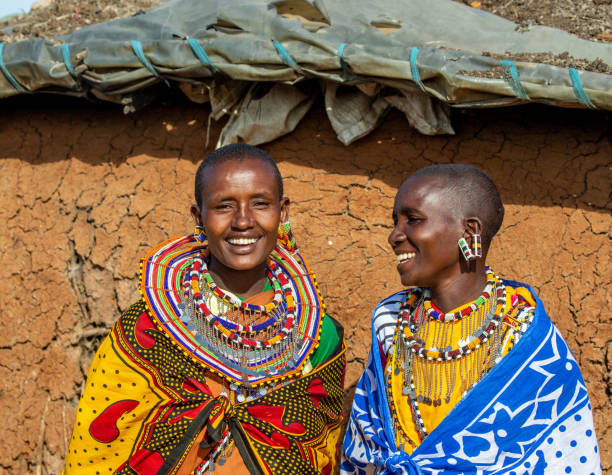
Discover 7 essential things tourists must know about Maasai culture in Tanzania. Learn traditions, customs, etiquette, and travel tips for an authentic cultural experience.
Quick Summary (Overview)
Maasai culture in Tanzania is one of the most iconic and well-preserved indigenous cultures in Africa. Known for their vibrant clothing, pastoral lifestyle, and strong traditions, the Maasai people offer international tourists a rare opportunity to experience authentic cultural heritage. This guide explains everything travelers must know before visiting Maasai communities.
Introduction
Understanding Maasai culture in Tanzania is one of the most enriching experiences for international tourists exploring East Africa. The Maasai are a semi-nomadic ethnic group primarily living in northern Tanzania and southern Kenya, known for their deep connection to cattle, land, and traditional customs that have remained largely unchanged for centuries.
For many travelers, encountering Maasai communities feels like stepping into a living cultural museum. Their bright red shukas (traditional clothing), intricate beadwork, warrior traditions, and communal lifestyle reflect a society deeply rooted in heritage and identity.
When visiting Tanzania—whether on safari in the Serengeti or exploring areas around Ngorongoro Conservation Area—tourists often have the chance to meet Maasai communities and learn about their way of life. However, respectful interaction and cultural understanding are essential for a meaningful experience.
This guide will help you understand the most important things to know before engaging with Maasai culture in Tanzania.
1. Maasai Are Semi-Nomadic Pastoralists
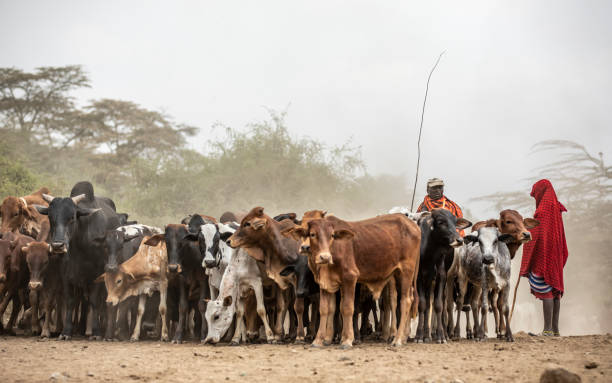
The Maasai lifestyle revolves around cattle:
- Cattle are a symbol of wealth and survival
- Movement depends on grazing land and water
- Homes (manyattas) are built for mobility
Travel Tip: Always show respect when discussing livestock—they are central to Maasai identity.
2. Traditional Clothing Has Deep Meaning
Maasai clothing is not just fashion:
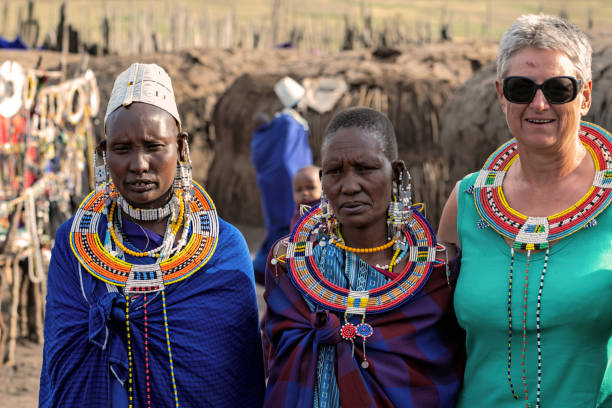
- Red shuka symbolizes bravery and strength
- Beaded jewelry represents age, status, and social roles
- Warriors often wear distinctive hairstyles
Tip for tourists: Avoid mocking or dressing in Maasai attire without permission.
3. Maasai Language and Communication
The Maasai speak Maa, but many also understand Swahili and English.
- Greetings are very important
- Respectful tone is highly valued
- Elders are always given priority in conversation
Tip: A simple greeting like “Sopa” shows respect.
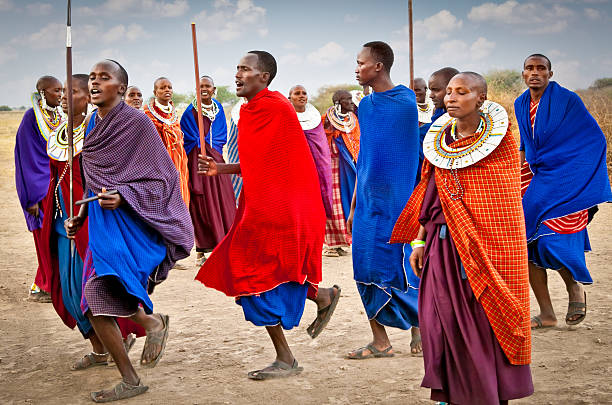
4. Maasai Warriors (Morans) Play a Key Role
Morans are young Maasai warriors responsible for:
- Protecting livestock
- Preserving traditions
- Representing strength and discipline
Their jumping dance (Adumu) is one of the most famous cultural performances tourists witness.
5. Cultural Tourism Is Carefully Managed
Visitors can experience Maasai villages near major safari routes such as:
- Serengeti ecosystem
- Ngorongoro highlands
However, it is important to choose responsible operators like Kilimanjaro Safaris Champions to ensure:
- Ethical tourism
- Fair community benefits
- Authentic experiences
6. Respectful Photography Is Essential
Tourists must follow etiquette:
- Always ask before taking photos
- Some ceremonies are private
- Photography may require small permission fees
Tip: Respect leads to better interaction and cultural exchange.
7. Maasai Culture Is Changing but Still Strong
Modern influences are affecting Maasai life:
- Education is increasing
- Some communities are adopting modern housing
- Tourism provides new income opportunities
Despite this, traditions remain deeply respected and preserved.
Comparison Table: Cultural Experiences in Tanzania
| Experience Type | Location Example | Authenticity Level | Tourist Interaction |
|---|---|---|---|
| Maasai Village Visit | Ngorongoro / Serengeti outskirts | Very High | Direct |
| Safari Experience | Serengeti National Park | High | Moderate |
| Urban Culture | Arusha City | Medium | Low |
Customer Experiences (Excerpt)
“Meeting the Maasai was the highlight of our Tanzania trip. Their culture is powerful and inspiring.” – Emma, UK
“We learned so much about traditions and respect. It was more than just a visit—it was an experience.” – Michael, USA
External Resources
- Travel inspiration: https://www.tripadvisor.com
- Cultural videos: https://www.tiktok.com
- Safari visuals: https://www.instagram.com
- Conservation info: https://www.tanzania.go.tz
Frequently Asked Questions About Maasai Culture in Tanzania
Can tourists visit Maasai villages?
Yes, but it should be arranged through responsible tour operators.
Is Maasai culture still traditional?
Yes, although some modernization is taking place.
What should I wear when visiting Maasai communities?
Modest, respectful clothing is recommended.
Can I take photos of Maasai people?
Only with permission.
Where can I see Maasai culture in Tanzania?
Near Serengeti, Ngorongoro, and Arusha regions.
Conclusion
Maasai culture in Tanzania offers international travelers a rare opportunity to connect with one of Africa’s most iconic communities. From traditions and clothing to ceremonies and storytelling, every interaction provides meaningful insight into a rich cultural heritage.
If you want to experience authentic Maasai culture alongside world-class safaris, Tanzania is the perfect destination.
> Book your cultural and safari experience with Kilimanjaro Safaris Champions today and explore Tanzania beyond wildlife—discover its people, traditions, and living heritage.
About the Author
Kilimanjaro Safaris Champions
Kilimanjaro Safaris Champions is a trusted Tanzania tour operator specializing in wildlife safaris, Mount Kilimanjaro climbs, and cultural tourism experiences. The company is dedicated to delivering authentic, ethical, and unforgettable travel experiences that connect visitors with Tanzania’s nature and culture.
Final Insight:
Maasai culture is not just something to observe—it is something to understand, respect, and experience.