Discover essential Climbing Mount Kilimanjaro Facts including costs, preparation tips, challenges, and expert success strategies. Plan your Tanzania adventure today with Kilimanjaro Safaris Champions.
Planning to climb Africa’s highest peak? Explore key Climbing Mount Kilimanjaro Facts, from costs and routes to preparation tips and success strategies for international travelers.
Introduction
Standing at 5,895 meters above sea level, Mount Kilimanjaro is not just Africa’s highest peak—it’s a symbol of adventure, resilience, and once-in-a-lifetime achievement. Every year, thousands of international travelers arrive in Tanzania with one goal: to stand on the “Roof of Africa.” But before taking that first step, understanding Climbing Mount Kilimanjaro Facts is essential.
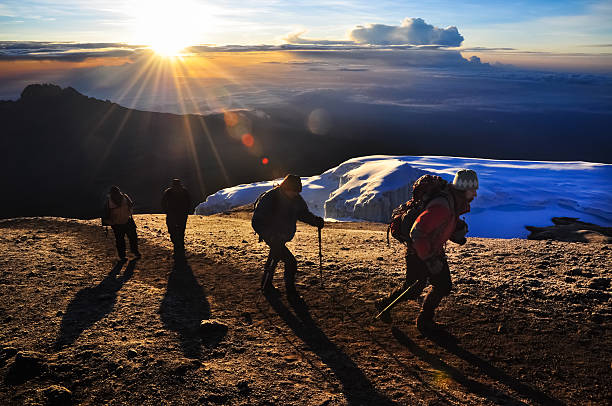
Imagine waking up before sunrise, your breath visible in the cold alpine air, your boots crunching on volcanic gravel as your guide whispers, “Pole pole” (slowly, slowly). As the horizon turns gold, you realize this is more than a hike—it’s a personal transformation.
This guide is designed to give you everything you need: realistic costs, preparation strategies, route comparisons, challenges you may face, and insider success tips from experienced guides at Kilimanjaro Safaris Champions. Whether you’re a first-time trekker or an experienced adventurer, this blog will help you plan confidently and turn your Kilimanjaro dream into reality.
Quick Summary (Overview)
- Location: Northern Tanzania
- Height: 5,895 meters (19,341 ft)
- Climb Duration: 5–9 days
- Success Rate: 65%–85% depending on route
- Best Time to Climb: January–March, June–October
- Difficulty Level: Moderate to challenging
- No Technical Climbing Required
Why Climb Mount Kilimanjaro?
Climbing Kilimanjaro is unique compared to other global peaks. You don’t need ropes or technical mountaineering skills—just determination, preparation, and the right support team.
What Makes It Special?
- Diverse ecosystems: Rainforest, moorland, alpine desert, and glaciers
- Accessible for beginners: No technical climbing experience required
- Cultural experience: Interaction with local guides and porters
- Personal achievement: A true test of mental and physical endurance
Cost of Climbing Mount Kilimanjaro
One of the most searched Climbing Mount Kilimanjaro Facts is the cost. Prices vary widely depending on the operator, route, and level of comfort.
Average Cost Breakdown
| Category | Estimated Cost (USD) |
|---|---|
| Park Fees | $800 – $1,200 |
| Guide & Crew | $500 – $1,000 |
| Food & Accommodation | $300 – $600 |
| Equipment Rental | $100 – $300 |
| Flights | $700 – $1,500 |
| Tips | $200 – $400 |
Total Estimated Cost: $2,500 – $6,000 per person
Budget vs Premium Packages
| Feature | Budget Package | Premium Package |
| Accommodation | Basic tents | Luxury tents/lodges |
| Food | Standard meals | Gourmet meals |
| Guide Ratio | 1:6 | 1:2 or private guide |
| Oxygen Tanks | Sometimes included | Always included |
| Success Rate | Lower | Higher |
> Tip: Choosing a reputable company like Kilimanjaro Safaris Champions improves safety and summit success rates.
Best Routes to Climb Kilimanjaro
Choosing the right route is critical. Each route offers a different experience, scenery, and success rate.

Popular Routes Comparison
| Route | Duration | Difficulty | Success Rate | Scenery |
| Marangu | 5–6 days | Moderate | Low | Good |
| Machame | 6–7 days | Moderate | High | Excellent |
| Lemosho | 7–9 days | Moderate | Very High | Outstanding |
| Rongai | 6–7 days | Easier | Good | Unique |
| Northern Circuit | 8–9 days | Moderate | Highest | Exceptional |
Recommended Route
For international tourists, Lemosho Route is highly recommended due to:
- Better acclimatization
- Stunning views
- Higher summit success rate
Preparation for Climbing Kilimanjaro
Preparation can make or break your climb. Many climbers underestimate the importance of training and mental readiness.
Physical Preparation
Start training at least 8–12 weeks before your climb:
- Cardiovascular exercises (running, hiking, cycling)
- Strength training (legs, core)
- Long hikes with a backpack
- Altitude training (if possible)
Mental Preparation
- Stay positive during tough moments
- Focus on small goals (step by step)
- Be ready for discomfort
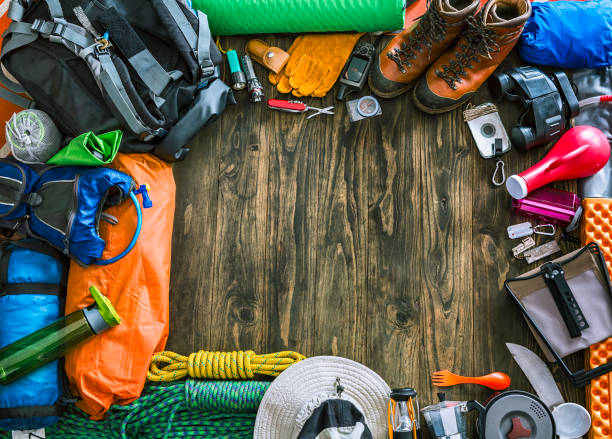
Packing Essentials
- Waterproof hiking boots
- Layered clothing
- Sleeping bag (-10°C rated)
- Headlamp
- Trekking poles
- Hydration system
Challenges of Climbing Mount Kilimanjaro

Understanding the challenges is a key part of Climbing Mount Kilimanjaro Facts.
1. Altitude Sickness
The biggest challenge is not fitness—it’s altitude.
Symptoms include:
- Headaches
- Nausea
- Dizziness
> Solution:
- Climb slowly (“Pole pole”)
- Stay hydrated
- Choose longer routes
2. Weather Conditions
Temperatures range from +30°C to -20°C.
- Rainforest: warm and humid
- Summit: freezing and windy
3. Summit Night
The toughest part of the climb:
- Starts at midnight
- 6–8 hours of uphill trekking
- Cold, dark, and mentally demanding
Success Tips from Experts
Here are proven strategies used by successful climbers:
Top Tips
- Choose a longer route (7+ days)
- Drink 3–4 liters of water daily
- Eat even when not hungry
- Listen to your guide
- Pace yourself—slow is fast
Customer Experiences
“I was nervous about altitude, but the guides were incredible. I felt safe the entire time.” – James, USA
“The journey was tough, but every step was worth it. Tanzania is truly magical.” – Elena, Spain
Tanzania Beyond Kilimanjaro
While Kilimanjaro is the highlight, Tanzania offers much more:
- Serengeti National Park – wildlife safaris
- Ngorongoro Crater – natural wonder
- Zanzibar – tropical beaches
> Combine your climb with a safari for the ultimate experience.
External Resources for Travellers
For additional insights and traveler reviews:
Frequently Asked Questions About Climbing Mount Kilimanjaro Facts
Do I need climbing experience?
No, Kilimanjaro is a trekking peak—no technical skills required.
How fit do I need to be?
Moderate fitness is enough with proper preparation.
What is the success rate?
Between 65%–85%, depending on route and duration.
Is it safe?
Yes, with a professional guide and proper acclimatization.
When is the best time to climb?
January–March and June–October offer the best conditions.
Conclusion
Climbing Kilimanjaro is more than reaching a summit—it’s about pushing limits, embracing nature, and creating unforgettable memories. By understanding these Climbing Mount Kilimanjaro Facts, you’re already one step closer to success.
At Kilimanjaro Safaris Champions, we specialize in turning your dream into a safe, guided, and life-changing journey. From expert guides to tailored itineraries, we ensure every step you take is supported.
> Ready to start your Kilimanjaro adventure?
Contact Kilimanjaro Safaris Champions today and let’s plan your climb to the Roof of Africa.
About the Author
Kilimanjaro Safaris Champions is a Tanzania-based tour company specializing in mountain climbing, wildlife safaris, and cultural experiences. With years of experience guiding international travelers, our mission is to deliver safe, authentic, and unforgettable adventures across Tanzania.