Discover 12 important facts about climbing Mount Kilimanjaro, including routes, costs, tips, and safety advice. Plan your Tanzania adventure with expert insights.
Quick Summary (Overview)
Climbing Mount Kilimanjaro is one of the most iconic travel experiences in Africa. Located in Tanzania, it is the highest free-standing mountain in the world and a bucket-list destination for international tourists. This guide covers everything you need to know—from routes and preparation to costs and safety—helping you plan a successful and unforgettable adventure.
Introduction
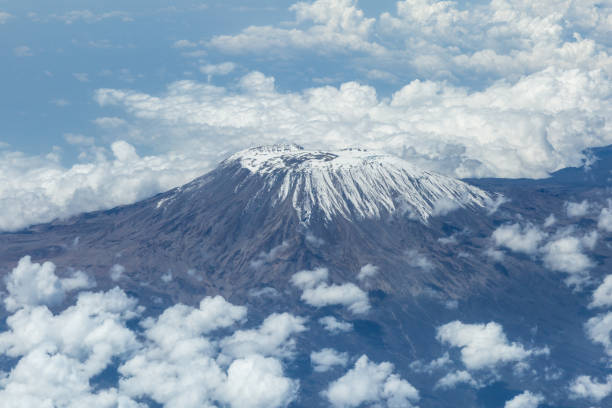
Climbing Mount Kilimanjaro is more than just a trek—it’s a life-changing journey. Rising to 5,895 meters (19,341 feet), Mount Kilimanjaro stands as Africa’s tallest peak and one of the most accessible high-altitude climbs in the world.
Unlike other major mountains, Kilimanjaro does not require technical climbing skills. However, that doesn’t mean it’s easy. The journey takes you through five unique climate zones—from tropical rainforest to arctic summit conditions.
For international tourists, Tanzania offers not only breathtaking landscapes but also rich culture, wildlife safaris, and warm hospitality. Whether you’re an experienced hiker or a first-time adventurer, understanding the key facts about climbing Mount Kilimanjaro will significantly improve your chances of success.
1. Mount Kilimanjaro is the Highest Peak in Africa
- Elevation: 5,895 meters (19,341 feet)
- One of the “Seven Summits”
- A UNESCO World Heritage Site
This makes climbing Mount Kilimanjaro a prestigious achievement for travelers worldwide.
2. No Technical Climbing Skills Required
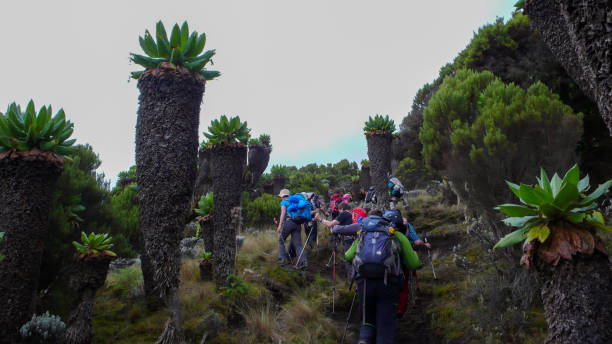
Unlike mountains such as Everest:
- No ropes or technical gear needed
- It’s a trekking peak
- Suitable for beginners with good fitness
However, altitude is the biggest challenge.
3. There Are Multiple Routes to the Summit
Here’s a comparison of the most popular routes:
| Route | Duration | Difficulty | Scenic Value | Success Rate |
|---|---|---|---|---|
| Marangu | 5-6 days | Moderate | Low | Medium |
| Machame | 6-7 days | Challenging | High | High |
| Lemosho | 7-8 days | Moderate | Very High | Very High |
| Rongai | 6-7 days | Moderate | Medium | Medium |
Tip: Longer routes increase your chances of reaching the summit.
4. Altitude Sickness is the Biggest Challenge
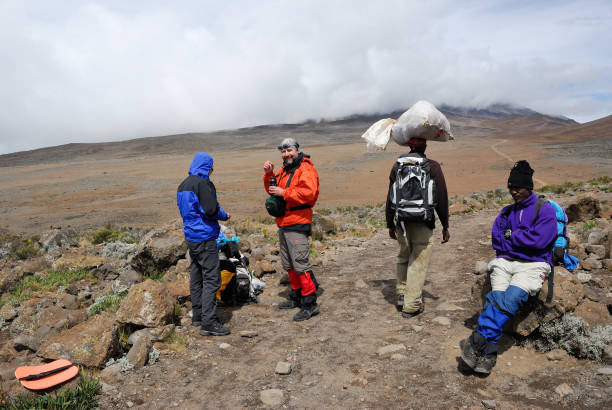
Many climbers underestimate altitude:
- Symptoms: headache, nausea, dizziness
- Proper acclimatization is crucial
- “Pole pole” (slowly slowly) is the key strategy
5. Best Time for Climbing Mount Kilimanjaro
The best months are:
- January to March (quieter, colder)
- June to October (popular, better weather)
Avoid heavy rainy seasons (April-May, November).
6. You Must Climb with a Licensed Tour Operator
Tanzania regulations require:
- Registered guides
- Park fees included
- Safety compliance
Choosing a reliable company like Kilimanjaro Safaris Champions ensures a safe and organized trek.
7. Physical Fitness Matters
You don’t need to be an athlete, but:
- Cardio training is essential
- Practice hiking with elevation
- Mental strength is just as important
8. Packing the Right Gear is Critical
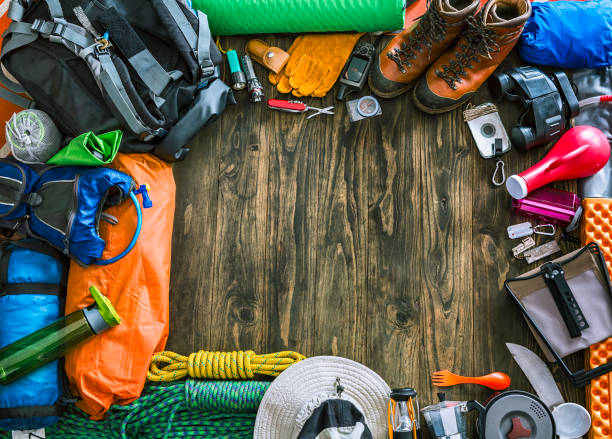
Essential items include:
- Warm layered clothing
- Waterproof gear
- Hiking boots
- Headlamp
- Sleeping bag (rated for extreme cold)
Pro Tip: Renting gear locally can save costs.
9. The Climb Takes 5 to 9 Days
The duration depends on your chosen route:
- Short routes = lower success rates
- Longer routes = better acclimatization
10. Cost of Climbing Mount Kilimanjaro
Here’s a rough breakdown:
| Category | Estimated Cost (USD) |
| Budget | $1,500 – $2,000 |
| Mid-range | $2,000 – $3,500 |
| Luxury | $4,000+ |
Costs include park fees, guides, food, and logistics.
11. Summit Night is the Toughest Part
- Starts around midnight
- Freezing temperatures (-10°C to -20°C)
- Steep and mentally challenging
But reaching Uhuru Peak at sunrise is unforgettable.
12. Success Rate Depends on Preparation
Average success rate: 65% – 85%
Improve your chances by:
- Choosing longer routes
- Training in advance
- Staying hydrated
- Listening to your guide
Customer Experiences (Excerpt)
“Climbing Mount Kilimanjaro was the best decision I’ve ever made. The guides were incredible, and the experience was beyond words.” – Sarah, UK
“From rainforest to glaciers, every day was unique. Highly recommend Tanzania for adventure seekers!” – James, USA
External Resources
- Trip planning reviews: https://www.tripadvisor.com
- Travel inspiration: https://www.instagram.com
- Adventure videos: https://www.tiktok.com
Frequently Asked Questions About Climbing Mount Kilimanjaro
Do I need experience to climb Mount Kilimanjaro?
No, but good physical preparation is important.
How long does it take to climb?
Between 5 to 9 days depending on the route.
Is it safe?
Yes, with proper guides and preparation.
What is the success rate?
Typically between 65% and 85%.
Can beginners climb Kilimanjaro?
Yes, many first-time climbers succeed with proper planning.
Conclusion
Climbing Mount Kilimanjaro is one of the most rewarding travel experiences in the world. From breathtaking landscapes to personal achievement, Tanzania offers something truly unique for international tourists.
If you’re ready to take on the challenge and create unforgettable memories, now is the perfect time to start planning your journey.
> Book your Kilimanjaro adventure today with Kilimanjaro Safaris Champions and let our experienced team guide you every step of the way.
About the Author
Kilimanjaro Safaris champions
Tourism Specialist & Safari Expert
Kilimanjaro safaris champions is a passionate Tanzanian tourism expert with years of experience guiding international travelers across Mount Kilimanjaro and Tanzania’s national parks. Our mission is to help travelers experience authentic Africa through safe, well-organized, and unforgettable adventures.
Final Tip:
Climbing Mount Kilimanjaro is not just about reaching the summit—it’s about the journey, the people you meet, and the story you’ll tell for the rest of your life.