
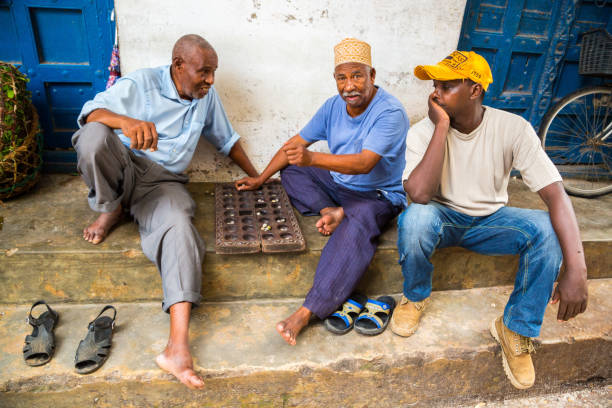
Discover 7 powerful Swahili Culture Traditions in Tanzania that shape coastal life, hospitality, food, music, and history. Explore authentic cultural experiences with Kilimanjaro Safaris Champions.
Introduction
Tanzania is not only famous for its breathtaking wildlife, majestic Mount Kilimanjaro, and world-class safari experiences—it is also home to one of Africa’s richest and most fascinating coastal cultures: the Swahili culture.
The Swahili Culture Traditions in Tanzania are a blend of African, Arab, Persian, and Indian influences shaped over centuries of trade along the Indian Ocean coastline. From the historic streets of Zanzibar Stone Town to the coastal cities of Dar es Salaam, Tanga, and Bagamoyo, Swahili culture is deeply alive, expressive, and welcoming.
What makes Swahili culture truly special is its warmth. Visitors are often surprised by the hospitality known as “Ukarimu”, where strangers are treated like family. Whether it’s sharing a meal, listening to traditional Taarab music, or exploring ancient architecture, every experience tells a story of identity, resilience, and unity.
In this guide, we explore 7 Swahili Culture Traditions That Will Inspire You Deeply, giving you not only insight but also practical travel inspiration for your next visit with Kilimanjaro Safaris Champions.
If you are planning a trip to Tanzania, this cultural journey will help you connect deeper than just sightseeing—you will experience Tanzania through its people.
Quick Overview of Swahili Culture Traditions in Tanzania
- Strong emphasis on hospitality (Ukarimu)
- Rich coastal trade history
- Fusion of African, Arab, and Asian cultures
- Traditional music like Taarab and Ngoma
- Unique Swahili cuisine with spices
- Islamic cultural influence in coastal regions
- Vibrant storytelling and oral traditions
1. Ukarimu – The Tradition of Hospitality
Hospitality is the heart of Swahili culture. In Tanzania’s coastal communities, welcoming guests is not just etiquette—it is a sacred duty.
Visitors are often greeted warmly with tea, snacks, or full meals, even if they are strangers.
Key Elements:
- Offering food and drinks to guests immediately
- Treating visitors with respect and kindness
- Prioritizing comfort over formality
Travel Tip:
When visiting local homes or cultural tours, accept hospitality politely—it is a sign of respect and appreciation.
2. Swahili Cuisine – A Flavorful Cultural Identity
Food is a powerful expression of Swahili identity. The cuisine reflects centuries of trade and cultural blending.
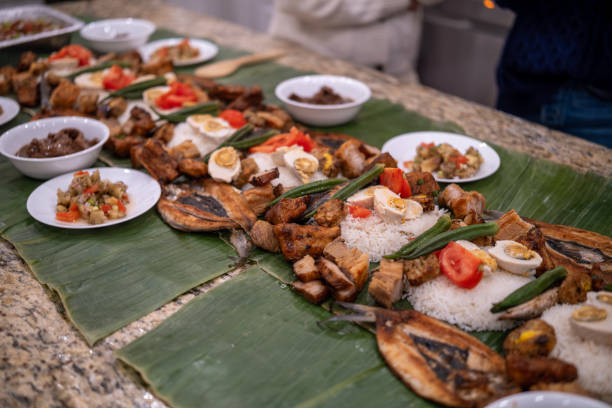
Popular Swahili Foods:
- Pilau (spiced rice)
- Biryani
- Coconut fish curry
- Mandazi (sweet fried bread)
- Viazi karai (spiced potatoes)
Why It Matters:
Swahili food represents unity through diversity—Arab spices, Indian techniques, and African ingredients.
Travel Tip:
Try local food markets in Zanzibar or Dar es Salaam for an authentic experience.
3. Taarab Music – The Sound of Emotion
Taarab is a traditional Swahili music style that combines Arabic melodies with African rhythms.
It is often performed during weddings, celebrations, and cultural festivals.
Features:
- Emotional storytelling through lyrics
- Use of oud, violins, and percussion
- Strong poetic expression in Swahili language
Travel Tip:
Attend a live Taarab performance in Zanzibar for a memorable cultural night.
4. Swahili Architecture – Stone Town Heritage
The architecture of Swahili coastal towns tells a story of history and trade.
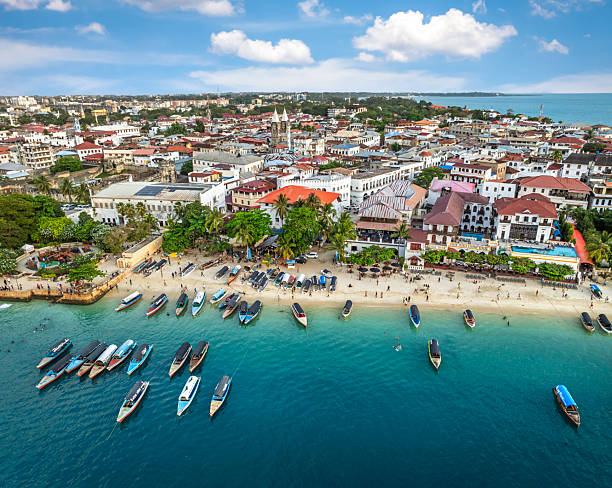
Highlights:
- Coral stone buildings
- Intricately carved wooden doors
- Narrow winding streets
- Balconies influenced by Arabic design
Zanzibar Stone Town is a UNESCO World Heritage Site showcasing this tradition.
Travel Tip:
Take a walking tour to fully appreciate the details of Swahili architecture.
5. Swahili Language (Kiswahili) – A Cultural Bridge
Kiswahili is one of Africa’s most widely spoken languages and a symbol of unity.
Importance:
- National language of Tanzania
- Spoken across East Africa
- Used in trade, education, and daily life
Common Phrases:
- Jambo – Hello
- Asante – Thank you
- Karibu – Welcome
Travel Tip:
Learning a few Swahili words enhances your travel experience significantly.
6. Traditional Dress – Kanga and Kitenge Culture
Clothing in Swahili culture is colorful and meaningful.
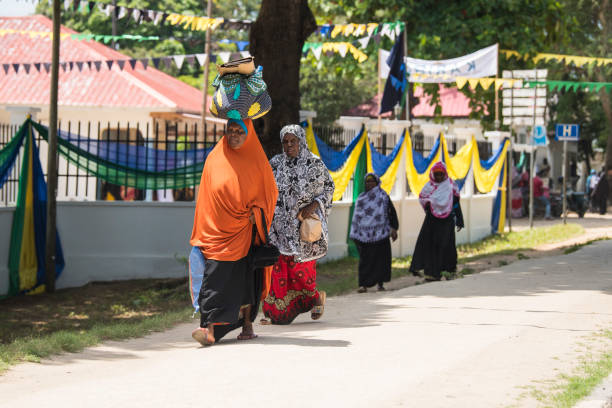
Key Attire:
- Kanga: Printed cloth with Swahili sayings
- Kitenge: Vibrant patterned fabric
- Hijab and traditional Islamic wear in coastal regions
Cultural Meaning:
Clothing often communicates messages, emotions, or social values.
Travel Tip:
Buying a Kanga is a great cultural souvenir from Tanzania.
7. Swahili Storytelling – Oral Heritage
Storytelling is a key tradition used to pass down history, morals, and wisdom.
Characteristics:
- Oral narration by elders
- Use of proverbs and metaphors
- Teaching moral lessons
Example Proverb:
“Haraka haraka haina baraka” – Haste has no blessing.
Travel Tip:
Engage with local elders during cultural tours to hear authentic stories.
Comparison Table: Swahili Traditions vs Modern Influences
| Tradition | Traditional Form | Modern Influence |
|---|---|---|
| Hospitality | Home-based hosting | Hotels & tourism experiences |
| Cuisine | Home cooking with spices | Fusion restaurants |
| Music | Taarab performances | Contemporary Afro-Swahili fusion |
| Language | Kiswahili oral use | Digital communication & media |
| Clothing | Handmade Kanga/Kitenge | Fashion industry designs |
Customer Experience Excerpt
“Our cultural tour with Kilimanjaro Safaris Champions in Zanzibar was unforgettable. We experienced authentic Swahili hospitality, tasted traditional food, and learned so much about the history of Stone Town. It felt like stepping into another world.”
— Sarah M., United Kingdom
FAQs – Swahili Culture Traditions in Tanzania
What is Swahili culture in Tanzania?
Swahili culture is a coastal East African culture influenced by African, Arab, Indian, and Persian traditions.
Where can I experience Swahili culture in Tanzania?
Zanzibar, Dar es Salaam, Bagamoyo, and Tanga are the best places.
Is Swahili culture religious?
It is strongly influenced by Islam, especially in coastal regions.
What food is famous in Swahili culture?
Pilau, biryani, coconut fish curry, and mandazi are popular dishes.
Can tourists participate in Swahili traditions?
Yes, many cultural tours allow visitors to experience food, music, and storytelling.
External Resources for More Exploration
- UNESCO Zanzibar Stone Town
- TripAdvisor Tanzania Experiences
- Instagram Hashtags: #SwahiliCulture #VisitTanzania
- TikTok Travel Content: https://www.tiktok.com (search “Tanzania culture”)
Conclusion
The Swahili Culture Traditions in Tanzania offer a deep and meaningful journey into one of Africa’s most vibrant coastal civilizations. From hospitality and music to language and architecture, every tradition tells a story of connection, identity, and pride.
For travelers seeking more than just a safari, Swahili culture provides an emotional and educational experience that stays with you forever.
Ready to experience the heart of Tanzania beyond wildlife?
Book your cultural and safari adventure today with Kilimanjaro Safaris Champions and explore the rich Swahili heritage firsthand.
> Contact us now to design your personalized Tanzania cultural tour.
About the Author
This article is published by Kilimanjaro Safaris Champions, a professional Tanzania-based tour company specializing in wildlife safaris, cultural tours, and Kilimanjaro trekking experiences. Our mission is to connect travelers with authentic Tanzanian experiences that go beyond sightseeing—creating lifelong memories rooted in culture, nature, and adventure.